

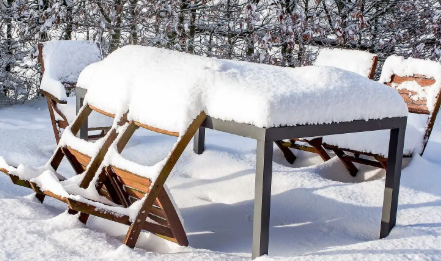
Canadian winters are hard on anything left outdoors. Months of snow, ice, freeze-thaw cycles, road salt, and strong winds can turn a new bench into a cracked, rusted eyesore in just a few seasons. For municipalities, schools, and property managers, choosing outdoor seating and site amenities that can handle these conditions saves money and keeps public spaces safe and inviting all year.
Why Winter Is So Tough on Outdoor Furniture
The biggest threat is not the cold itself but the constant change. Water seeps into small cracks and joints, freezes, expands, and then thaws again. Over time, this cycle splits wood, loosens fasteners, and breaks down weak coatings. Salt and de-icing products tracked or sprayed onto nearby surfaces speed up corrosion on unprotected metal. Heavy snow loads and snow-clearing equipment add physical stress that lighter pieces are not built to handle.
Materials That Stand Up to the Cold
When comparing park furniture, start with the materials. Some options perform far better in a northern climate than others:
- Powder-coated or galvanized steel: A quality coating protects the metal from moisture and salt, and steel offers the strength to handle snow loads and heavy use.
- Recycled plastic lumber: It does not absorb water, so it will not rot, splinter, or crack from freeze-thaw cycles, and it needs very little upkeep.
- Thermoplastic-coated metal: This coating resists chipping and stays comfortable to touch in both cold and hot weather.
- Concrete: Extremely durable and heavy enough to resist wind and vandalism, though it benefits from proper sealing.
Untreated softwoods and thin, lightly coated metals are usually the first items to fail. If wood is preferred for its look, choose dense, properly treated species and plan for regular sealing.
Look Closely at Construction and Installation
Good materials can still fail if the design is poor. Look for stainless or coated hardware, welded joints where possible, and slats or perforated seats that let water and snow drain instead of pooling. Surface-mounted or in-ground installation keeps pieces secure against wind and prevents them from shifting when snow is cleared around them. Ask suppliers about anchoring options that suit your site, whether it is a concrete pad, pavers, or a natural surface.
Plan for Maintenance and Long-Term Value
Even the toughest products last longer with simple care. A fall inspection to tighten bolts, touch up chips in coatings, and clear debris can prevent small problems from becoming costly repairs in spring. Keep a basic record of what was installed and when, so you can track performance over time and make better buying decisions in the future.
The cheapest option at purchase is rarely the cheapest over its lifetime. Investing in durable park furnishings that are designed for northern conditions means fewer replacements, lower maintenance costs, and public spaces that look cared for in every season.
Building Spaces People Use Year-Round
Parks and schoolyards do not empty out when the snow arrives. Families still walk, skate, and play outside through the winter months, and they need places to sit, rest, and gather. Choosing furniture built for the Canadian climate helps make sure those spaces stay welcoming, safe, and ready for use, no matter what the forecast brings.
