

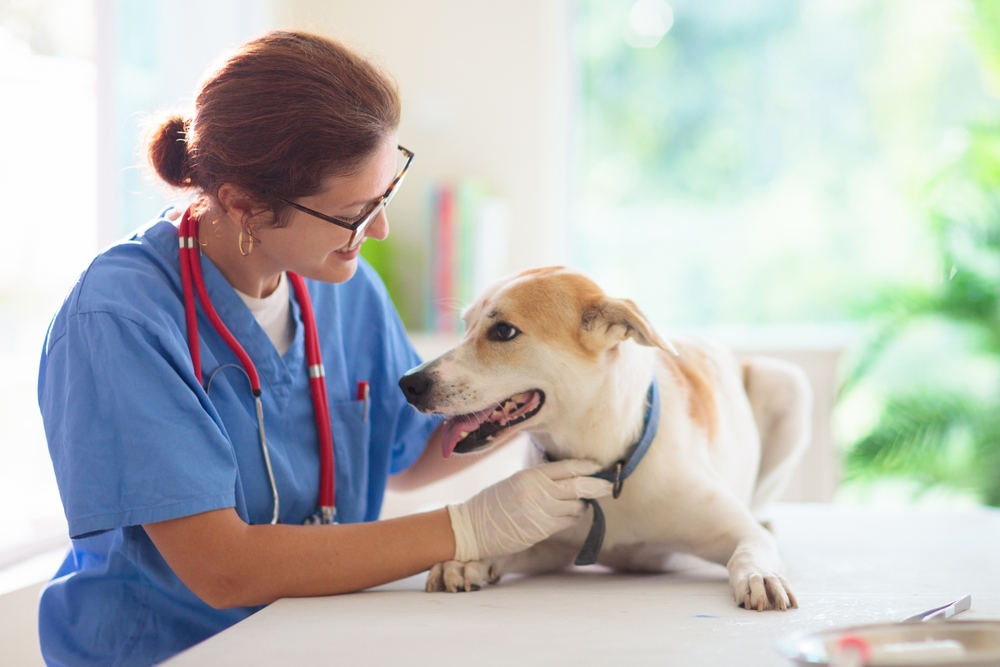
You bring your pet in for a problem that seemed small at first. A stomach issue that keeps coming back. Skin trouble that will not clear up. Weight loss that does not make sense. Your general veterinarian in Temperance knows your pet, your routine, and the full picture, but sometimes the next right step is not another round of trial and error. It is a team approach.
That is where how vets partner with specialists for complete pet care starts to matter. Your general veterinarian does not step out of the picture when a specialist gets involved. The opposite is true. They stay central, help guide referrals, share records, explain options, and make sure your pet’s treatment still fits real life at home. Good care often looks less like one doctor doing everything and more like the right people working together at the right time.
General veterinarians coordinate care when a case needs deeper expertise
Your general veterinarian handles a wide range of needs. Wellness exams, vaccines, ear infections, minor injuries, chronic disease monitoring, dental concerns, and early diagnostics all fall within that role. They are usually the first to notice when a case is no longer routine.
That shift can happen fast. A dog with vomiting may need an internist. A cat with a heart murmur may need a cardiologist. A pet with joint damage may need a surgeon. Some pets also benefit from nutrition support, especially when weight loss, kidney disease, food intolerance, or recovery after illness changes what they can safely eat. Veterinary teaching hospitals and referral centers often offer focused services such as a veterinary clinical nutrition service, which gives primary vets another layer of support for complicated cases.
You might worry that a referral means your regular vet missed something. Most of the time, it means they recognized the limit of what should be handled in a general setting and moved before your pet lost time. That is good medicine. It protects your pet from delay, and it gives you a clearer path instead of more guesswork.
Specialist referrals help pets with chronic, urgent, and unusual conditions
Some problems are straightforward until they are not. A skin infection that returns after treatment may actually involve allergies, hormone issues, or resistant bacteria. Limping may look like a soft tissue strain, then turn out to be a torn ligament or a nerve problem. Seizures may need advanced imaging, a neurologic exam, or long term medication planning.
This is where veterinary specialist collaboration changes outcomes. Specialists have training in one area and access to tools many general practices do not keep on site. That can include advanced imaging, endoscopy, specialty surgery, oncology treatment plans, or internal medicine workups. Referral hospitals also tend to have formal systems for referrals and consultations, which makes it easier for your primary vet to send records, test results, and questions ahead of the visit.
The emotional side matters too. When your pet is sick, every extra day feels heavy. You are trying to balance fear, cost, work schedules, and the simple need to know what is going on. A coordinated plan cuts down on repeated tests, mixed messages, and the feeling that you are carrying the whole case by yourself.
Shared veterinary care gives you a clearer plan and fewer blind spots
When general practice and specialty care work well together, each side covers something important. Your regular vet knows your pet’s history, behavior, medication tolerance, and the practical realities of follow up care. The specialist brings narrow expertise and advanced diagnostics. Together, they build a plan that is more precise and easier to manage.
This kind of specialist care for pets also helps with follow through. A specialist may diagnose and stabilize the problem, then your general veterinarian handles ongoing monitoring closer to home. That can lower travel stress, reduce costs over time, and keep care consistent. It also means you have someone who can explain the specialist’s findings in plain language if the report feels overwhelming.
General veterinarian and specialist roles differ in useful ways
| CARE NEED | GENERAL VETERINARIAN | SPECIALIST |
| Routine exams and prevention | Handles regular wellness care, vaccines, and screening | Usually not the main role |
| Early diagnosis | Evaluates symptoms, runs basic tests, starts treatment | Reviews difficult or unresolved cases in one focused area |
| Advanced diagnostics | May offer basic imaging and lab work | Often provides imaging, endoscopy, specialty testing, or surgical assessment |
| Long term management | Monitors progress, adjusts routine medications, supports daily care | Guides treatment strategy for complex disease |
| Communication | Explains the full picture and coordinates next steps | Reports findings and recommendations back to primary vet |
| Cost control | Helps decide when referral is worth it and what can stay local | Targets testing and treatment when deeper expertise is needed |
The best results usually come from using both wisely, not choosing one over the other. A general veterinarian is not a placeholder until a specialist takes over. They are the anchor point in your pet’s care.
Clear steps make the referral process easier on you and your pet
Ask what the referral is meant to answer. A good referral has a purpose. You want to know whether the goal is diagnosis, surgery, treatment planning, or a second opinion. That keeps the visit focused and helps you prepare the right questions.
Request records before the appointment. Make sure lab work, imaging, medication lists, and exam notes are sent ahead of time. If you have videos of coughing, limping, seizures, or behavior changes, save those too. They can be more useful than a description from memory.
Clarify who handles follow up care. Some treatments stay with the specialist. Others return to your regular vet after the plan is set. Ask who will refill medications, repeat bloodwork, and answer urgent questions. This one step prevents confusion later.
Complete pet care depends on teamwork, timing, and trust
If your pet has been referred out, you are not losing your veterinarian. You are gaining another set of trained eyes. That is often the fastest way to get answers and the safest way to treat a condition that needs more than routine care. General veterinarian support, backed by the right specialist, gives your pet a stronger path forward and gives you a plan you can actually follow.
When a case feels stuck, ask your veterinarian whether a referral would help. One clear conversation can change the course of your pet’s care.
