


Clear stickers have emerged as a popular choice for various applications, offering a sleek and professional appearance while maintaining visibility of the underlying surface. However, a common question arises: Can you apply custom clear stickers to any materials? Let’s delve into this query and unravel the possibilities and limitations associated with the application of clear stickers across different materials.
Understanding Custom Clear Stickers
Custom clear stickers are adhesive labels made from transparent materials, typically vinyl or polyester. They are designed to adhere to surfaces seamlessly, providing a clean and polished look. The absence of a colored background allows them to blend effortlessly with the surface they are applied to, making them ideal for branding, labeling, and decorative purposes.
Adhesion to Smooth Surfaces
One of the primary factors influencing the application of custom clear stickers is the smoothness of the surface. Clear stickers adhere best to smooth surfaces such as glass, plastic, metal, and glossy paper. These surfaces provide an optimal substrate for the adhesive to bond securely, ensuring longevity and durability of the sticker.
Challenges with Textured Surfaces
While custom clear stickers excel on smooth surfaces, they may encounter challenges when applied to textured materials. Surfaces with rough textures or unevenness pose difficulties for the adhesive to establish a strong bond. This can result in the sticker not adhering properly or peeling off over time, compromising its effectiveness.
Compatibility with Various Materials
Custom clear stickers exhibit versatility in their compatibility with different materials, albeit with varying degrees of success. They can be applied to surfaces such as plastic containers, electronic devices, vehicle windows, product packaging, and more. However, the suitability of the sticker’s adhesion depends on the material’s smoothness and compatibility with the adhesive.
Glass and Acrylic Applications
Glass and acrylic surfaces are among the most conducive for custom clear stickers. Their smooth and non-porous nature facilitates strong adhesion, making them ideal for applications such as storefront windows, glass doors, acrylic signage, and promotional displays. Clear stickers enhance visibility without obstructing the view, making them a popular choice for businesses and retail environments.
Plastic and Vinyl Surfaces
Plastic and vinyl surfaces also provide excellent substrates for custom clear stickers. These materials are commonly found in various industries, including packaging, automotive, electronics, and signage. Clear stickers can be applied to plastic containers, PVC banners, vinyl decals, and other plastic-based products, offering branding opportunities and product identification.
Metallic Surfaces and Appliances
Metallic surfaces present another viable option for applying custom clear stickers. Stainless steel appliances, aluminum panels, and chrome finishes offer smooth and durable surfaces for sticker application. Clear stickers can be used for labeling machinery, branding products, or adding decorative elements to metal surfaces, enhancing their visual appeal and functionality.
Paper and Cardboard Applications
Although less common, custom clear stickers can also be applied to paper and cardboard materials. However, their effectiveness may be limited compared to smooth surfaces, as paper tends to absorb moisture and may not provide optimal adhesion. Clear stickers on paper are suitable for temporary applications such as promotional materials, event signage, or decorative purposes.
Fabric and Textile Considerations
Fabric and textile surfaces pose unique challenges for custom clear stickers due to their porous and flexible nature. While stickers may adhere initially, they are prone to peeling off over time, especially with frequent handling or washing. Clear stickers are not recommended for fabric applications unless used for temporary purposes or adhered to a smooth fabric surface such as polyester or nylon.
Wood and Composite Materials
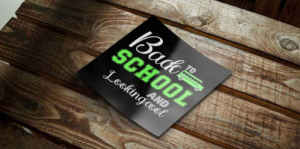
Wood and composite materials offer mixed results for custom clear sticker applications. While smooth, sealed wood surfaces may provide adequate adhesion, natural variations in texture and porosity can affect the sticker’s longevity. The custom stickers on wood are best suited for indoor decorative purposes or sealed outdoor applications where exposure to moisture and environmental elements is minimal.
Ceramic and Porcelain Surfaces
Ceramic and porcelain surfaces, such as tiles and dinnerware, present challenges for custom clear sticker applications due to their glazed finishes. While stickers may adhere initially, they are susceptible to peeling off or losing clarity over time, especially in high-moisture environments such as kitchens and bathrooms. Clear stickers are not recommended for permanent applications on ceramic or porcelain surfaces.
Environmental Factors
Environmental factors such as temperature fluctuations, humidity, UV exposure, and chemical exposure can influence the longevity and effectiveness of custom clear stickers. High-quality materials and UV-resistant coatings can enhance durability and prevent fading or yellowing over time. Proper surface preparation and application techniques are essential for maximizing adhesion and longevity in various environmental conditions.
Application Techniques
Achieving optimal adhesion with custom clear stickers requires proper surface preparation, including cleaning and degreasing to remove any contaminants that may hinder adhesion. Additionally, ensuring the surface is completely dry before applying the sticker is crucial for a secure bond. Using a squeegee or credit card to smooth out any air bubbles and ensure full contact between the sticker and surface can help prevent peeling and ensure a seamless finish.
Conclusion
In conclusion, custom clear stickers are versatile but their adhesion effectiveness varies. Smooth surfaces like glass, plastic, and metal are ideal, ensuring durability. Textured or porous surfaces present challenges, needing special consideration for application success. Understanding surface characteristics and using proper techniques are crucial for maximizing clear sticker potential across diverse materials and environments.
