

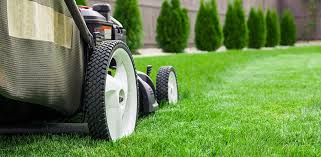
Huntersville, North Carolina, boasts beautiful weather year-round, perfect for enjoying your outdoor space. But maintaining a healthy, vibrant lawn in this climate requires consistent care. Two crucial practices – mowing and aeration – are the foundation for a thriving yard.
This blog post dives deep into the whys and hows of lawn mowing Huntersville NC and aeration in Huntersville.
The Importance of Mowing: A Strong Foundation for Your Huntersville Lawn
Mowing isn’t just about aesthetics. It’s a crucial practice that promotes healthy growth and disease resistance in your lawn. Here’s how:
- Encourages Thicker Growth: Mowing stimulates lateral growth of grass blades, leading to a denser, more resilient lawn. This thickness helps suppress weed growth naturally.
- Improves Sunlight Penetration: Removing excess growth allows more sunlight to reach the lower blades of grass and the soil beneath. This is essential for photosynthesis, which fuels healthy growth.
- Reduces Thatch Buildup: Thatch is a layer of dead grass clippings and stems that accumulates on the lawn surface. Mowing helps prevent thatch from forming, ensuring proper air and water circulation to the roots.
- Discourages Pests and Diseases: Thick, healthy grass creates a less hospitable environment for pests and diseases to thrive.
Mastering Mowing Techniques for Huntersville’s Climate
Huntersville experiences a humid subtropical climate with hot, humid summers and mild winters. This distinct climate dictates specific mowing practices for optimal lawn health:
- Mowing Height: Maintain a mowing height of 3-3.5 inches throughout the growing season (typically April to October). This height shades the soil, retains moisture, and helps suppress weeds.
- Mowing Frequency: Mow your lawn every 1-2 weeks during the growing season. The frequency may need to be adjusted based on rainfall and growth rate.
- Sharpen Your Blade: A dull mower blade tears grass blades, leading to browning and vulnerability to disease. Sharpen your mower blade at least once a season, or more frequently if you mow often.
- Leave Clippings (Sometimes): When the lawn is experiencing modest growth, think about leaving grass clippings on the grass. As clippings break down, they replenish the soil with essential minerals. To avoid illness and clumping, however, remove cuttings during times of rapid growth.
The Benefits of Lawn Aeration: Breathing Life Back into Your Huntersville Lawn
Over time, soil compaction can occur due to foot traffic, weather events, and even regular mowing. Aeration is the process of creating small holes in the soil to alleviate compaction and improve air and water circulation to the grassroots. Here’s how aeration benefits your lawn:
- Improved Water Infiltration: Aeration allows water to penetrate the soil more effectively, reducing runoff and ensuring roots receive adequate moisture.
- Enhanced Root Growth: Good air circulation encourages deeper root growth, leading to a stronger, more resilient lawn.
- Increased Nutrient Uptake: Aeration allows nutrients in the soil to reach the roots more easily, promoting healthier growth.
- Reduced Soil Compaction: Aeration breaks up compacted soil, allowing for better drainage and root development.
When to Aerate Your Lawn in Huntersville
The type of grass on your yard will determine the best time for aeration:
- Warm-Season Grasses (Common in Huntersville): Aerate warm-season grasses, like Bermudagrass and Zoysiagrass, during their active growing period. This is typically in late spring (May-June) or early fall (September-October). Aerating should be avoided in extremely hot or dry conditions.
- Cool-Season Grasses (Less Common): If you have cool-season grasses like Fescue, aerate them in the early fall (September-October) when they are actively growing.
Aeration Methods: Choosing the Right Approach for Your Huntersville Lawn
There are several methods for lawn aeration Huntersville:
- Core Aeration: This is the most effective method. A core aerator removes plugs of soil from the lawn, creating channels for air and water to reach the roots. Core aeration is often a two-step process. After pulling plugs, it’s recommended to topdress the lawn with a thin layer of high-quality compost or sand to help fill the core holes and improve soil quality.
- Spike Aeration: A spiker simply pokes holes in the soil. While faster and cheaper than core aeration, it’s less effective as it doesn’t remove soil compaction. Spiking can even worsen compaction in some cases.
- Shoe Spikes: These are spiky attachments worn on shoes. While convenient, they offer minimal penetration and aren’t suitable for compacted soil.
Choosing the Right Method:
- Lawn Size: Core aeration is the best option for most lawns, especially larger ones. For very small lawns, spiking might be sufficient.
- Soil Compaction: If your soil is heavily compacted, core aeration is the way to go. Spiking won’t be effective in breaking up compacted soil.
- Budget: Core aeration is generally the most expensive option, followed by spiking and then shoe spiking.
DIY vs. Professional Lawn Care:
Aerating your lawn can be a DIY project, particularly for smaller lawns. But, there are pros to hiring professionals:
- Expertise: Professionals have the knowledge and experience to assess your lawn’s needs and choose the right aeration method.
- Equipment: They have access to specialized equipment for core aeration, ensuring deeper penetration and better results.
- Time Efficiency: You will save time and work if you hire an expert.
Combining Mowing and Aeration for Optimal Results
Mowing and aeration work together to create a healthier lawn. Here’s how:
- Mowing after Aeration: After core aeration, mow your lawn at a higher height (around 4 inches) to allow the grass time to recover. Bag the clippings to prevent them from filling the core holes.
- Improved Airflow Benefits Mowing: Aeration allows for better air circulation, which helps the lawn recover faster from mowing stress.
Taking Care of Your Huntersville Lawn: A Proactive Approach
By understanding the importance of mowing and aeration, adopting the right techniques for Huntersville’s climate, and making informed decisions about DIY vs. professional care, you can ensure your lawn thrives all year round. A healthy lawn not only enhances your property’s curb appeal but also provides valuable environmental benefits, like improved air quality and reduced stormwater runoff.
