

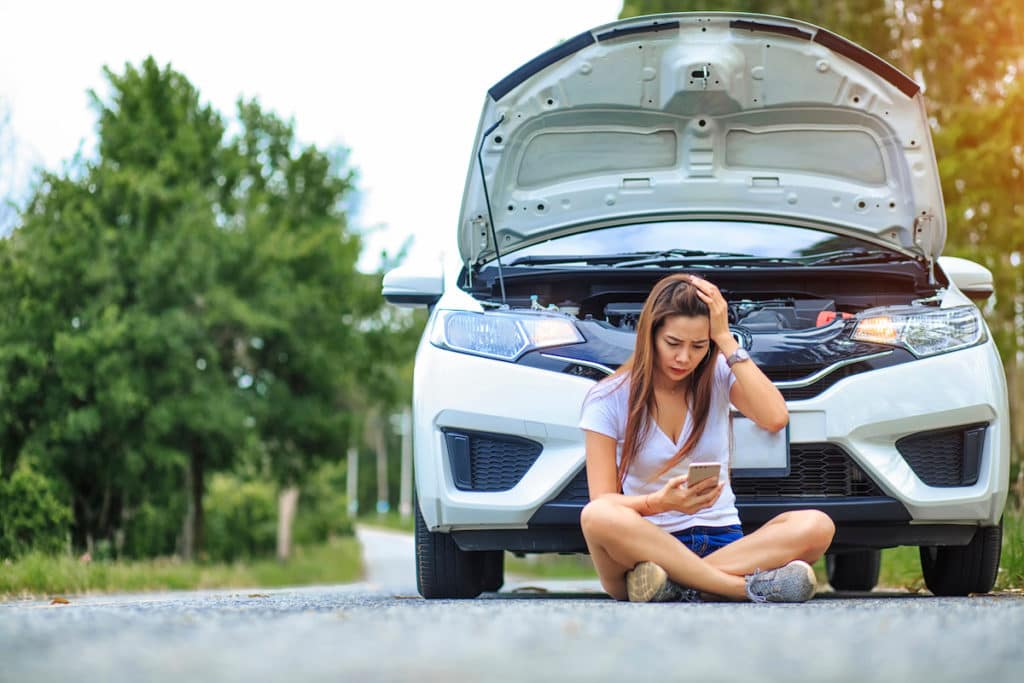
Electrical vehicles are an environment-friendly alternative to traditional petrol vehicles, but not without their problems. One major fear among drivers of electric vehicles is running out of battery power in the middle of the journey. While this situation can be stressful, knowing how to handle it and how proper charging infrastructure can help prevent it can make all the difference. Determine what to do when you run out of battery power while driving around and how quality charging solutions, including electric car charger installation in Cocoa Beach, FL, will help give you peace of mind.
Understanding the Range of Your EV
Before getting into emergencies, it’s probably important to know how far you can go in your EV on a single charge. It may seem like the answer should be simple, but it isn’t. Several factors come into play when determining how far an electric vehicle can travel. These include:
- Battery Capacity
The bigger the battery in your EV, the more range you’ll get. The size of the EV battery is measured in kWh. Most EVs today come with batteries between 40 kWh and a little over 100 kWh. A 60 kWh battery may be rated for 200 miles, while a 100 kWh battery could offer 300 miles or more. Your Search for the Best Towing Glendale AZ has to Offer Ends Here.
- Conditions and Driving Habits
This range is affected by a number of factors. Some of these factors include driving speed, terrain, and weather. Highway driving at high speeds is more power-consuming than city driving. Extreme temperatures decrease the range because of the extra energy to heat or cool the cabin.
- Vehicle Efficiency
This includes how efficient your EV is in miles per kWh. The more efficient the models, the better the extension of range. Knowing how your driving habits affect efficiency is very important.
What to Do If You Run Out of Battery
Running out of battery power on your way can be a daunting experience. Here’s how to manage this situation effectively:
- Stay Calm and Assess Your Situation
First, if you have a depleted battery, pull over safely. Make sure that you’re in a safe position off the traffic flow and turn on your hazard lights so others can see you.
- Navigate Using Your EV’s Computer
Most modern EVs have inbuilt navigation systems that allow you to find charging stations in the area. This can be a godsend to find the closest place to recharge your vehicle.
- Contact Roadside Assistance
If you’re not able to make it to a charging station or otherwise stranded somewhere off the beaten path, contact your EV manufacturer roadside assistance service. Many offer support in such situations, including towing your vehicle to the nearest charging station.
- Plan Ahead
To avoid such emergencies, plan your routes to include locations with charging stations. Apps like PlugShare or ChargePoint can help you identify locations along your journey.
Preventing Battery Emergencies with Proper Charging Infrastructure
Quality charging infrastructure will greatly help reduce the possibilities of running out of battery power. Here’s how investing in the right charging solutions can help:
- EV Home Charger Installation
This will ensure that an EV home charger charges your vehicle overnight, so that you can start every day with a full battery. It also reduces the chances of getting stranded with a dead battery during daily commutes or short trips.
- Electric Vehicle Charger Installation
Professional installation of electric car chargers offer residents solutions tailored to meet their charging needs. Be sure that with a local expert, your charger is installed properly and efficiently to maintain a reliable charging routine.
- EV Charger Installation
Installation of an EV charger at home or a business guarantees a charged vehicle whenever you might need it. Proper installation by a qualified professional ensures the charger is set up to output correct levels of electricity that your vehicle requires.
- EV Charging Station Installation
Those who use public/commercial charging stations frequently have an increasing requirement for EV charging station installations. These stations ensure dependable and convenient options to charge one’s vehicle while facilitating the expanding network of EV infrastructure.
- EV Charger Maintenance
Regular EV charger maintenance ensures that your charging equipment is in good condition. Routine checks will help forestall any possible issues and guarantee that your charger works efficiently.
- EV Charger Replacement
It may be time for an EV charger replacement due to wear and tear or because there might be better chargers being released which would be beneficial to upgrade for compatibility and performance.
Tips for Managing Your EV Battery Life
It means proper management of your car’s battery can help in prolonging its life and minimize the risk of running out of power.
- Charge Regularly
Keeping your car’s battery charged between 20%-80% ensures good health and efficiency of your battery. Attempt to avoid allowing your battery to reach 0% all the time.
- Plan Routes Wisely
Take advantage of navigation systems and charging apps that help in route planning when there is access to available charging stations along the way. Avoid long stretches without access to a charger.
- Monitor Battery Health
Keep an eye on any battery health notifications that may pop up in the system of your EV. Act immediately to avoid surprise component failures.
- Run on Eco-Mode
Use the eco-mode or energy-saving functions to extend the distance traveled on each charge to the furthest possible end.
Running out of battery power in the middle of a trip is a difficult situation, but knowing how to cope with it and investing in the proper infrastructure for charging alleviate part of the concerns. Knowing the vehicle’s range, using navigation tools, and having reliable charging solutions at your fingertips will minimize the risks of running out of power.
