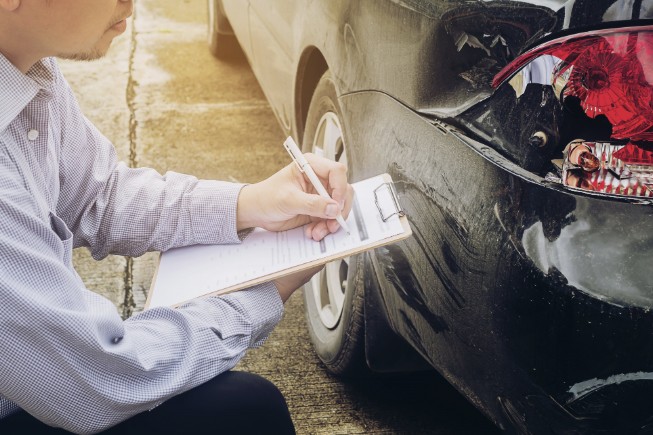
Handling an out-of-state car accident involves prioritizing safety, reporting the crash, gathering evidence, notifying your insurance company, understanding the laws of the state where the accident occurred, and seeking legal guidance if necessary. Taking the right steps immediately after the accident can protect both your health and your ability to recover compensation.
Being involved in a car accident while traveling can be overwhelming, especially if you are unfamiliar with the state’s traffic laws and insurance requirements. The situation may become even more complicated if multiple insurance companies or jurisdictions are involved.
If you experience a car accident out of state, knowing what to do from the moment the crash occurs can help you avoid costly mistakes and make the claims process much smoother. Staying calm and acting methodically can make a significant difference in the outcome of your claim.
Ensure Everyone’s Safety
Your first priority should always be safety. Check yourself and others for injuries and call emergency services if medical attention is needed. If it is safe to do so, move your vehicle out of traffic to reduce the risk of additional collisions.
Even if injuries appear minor, it is wise to seek medical evaluation. Some injuries, such as whiplash or internal trauma, may not show symptoms immediately.
Contact Local Law Enforcement
Report the accident to the local police department or highway patrol. The responding officer will prepare an official accident report, which often becomes an important piece of evidence during the insurance claims process.
When speaking with law enforcement:
- Provide accurate information.
- Avoid admitting fault.
- Request the report number.
- Ask how you can obtain a copy of the report.
An official report can help clarify the circumstances surrounding the accident.
Gather Evidence at the Scene
Collecting evidence immediately after the accident can strengthen your insurance claim and protect your legal rights.
Be sure to gather:
- Photos of vehicle damage
- Images of the accident scene
- Road and weather conditions
- Contact information for witnesses
- Driver’s license and insurance details from all involved parties
- License plate numbers
The more documentation you have, the easier it will be to establish what happened.
Notify Your Insurance Company
Contact your insurance company as soon as possible after the accident. Many insurance policies require prompt notice of an accident, regardless of where it occurred.
Provide factual information about:
- The location of the accident
- The date and time
- Parties involved
- Police report information
- Any injuries or property damage
Avoid speculating about fault until the investigation is complete.
Understand Which State’s Laws Apply
One of the biggest challenges after an out-of-state accident is determining which state’s laws govern the claim. In most cases, the laws of the state where the accident occurred will apply to issues such as liability, comparative negligence, insurance requirements, and filing deadlines.
For example, California Vehicle Code § 20008 requires drivers involved in certain accidents resulting in injury or death to submit a written report to the California Department of Motor Vehicles within the required timeframe if the accident occurs in California. Reporting requirements vary significantly from state to state, making it important to understand the applicable rules.
Cooperate with the Claims Investigation
Insurance companies will investigate the accident by reviewing police reports, medical records, photographs, witness statements, and repair estimates.
During this process:
- Respond promptly to requests for information.
- Keep copies of all documents.
- Save receipts for accident-related expenses.
- Maintain records of medical treatment.
Good documentation can help prevent unnecessary disputes.
Consider Legal Assistance
Out-of-state accidents can involve complicated legal issues, especially when injuries are serious or liability is disputed. An attorney familiar with the applicable state’s laws can explain your rights, communicate with insurance companies, and help you pursue fair compensation.
Legal guidance may be particularly valuable if multiple drivers are involved, significant injuries occurred, or the insurance company denies or undervalues your claim.
Stay Organized Throughout the Process
Claims involving another state may take longer to resolve than local accidents. Keeping organized records of correspondence, medical bills, repair invoices, rental vehicle expenses, and insurance communications can make the process much easier.
Patience and careful documentation often contribute to a smoother resolution and reduce the likelihood of unnecessary delays.
Key Takeaways
- Prioritize safety and seek medical attention immediately after an out-of-state accident.
- Report the crash to local law enforcement and obtain an official accident report.
- Collect photographs, witness information, and insurance details at the scene.
- Notify your insurance company promptly after a car accident out of state.
- The laws of the state where the accident occurred generally govern the claim.
- California Vehicle Code § 20008 illustrates how certain states impose specific accident reporting requirements.
- Keeping organized records and seeking legal guidance when necessary can help protect your rights and improve the claims process.