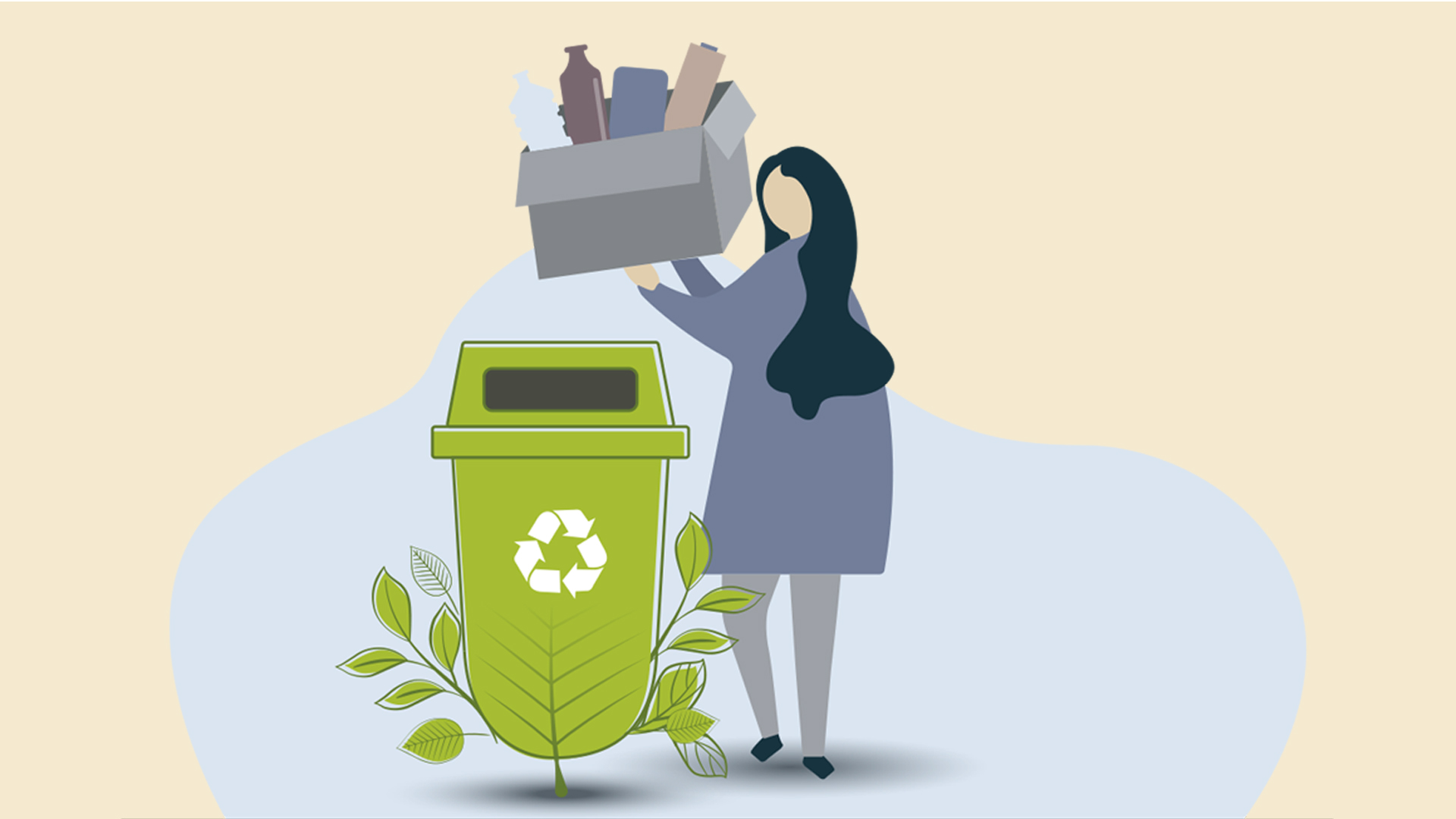
In a world increasingly burdened by the consequences of waste accumulation, the conversation around waste management has never been more critical. From towering landfills to the devastating impact on marine life, the global waste crisis is a ticking time bomb, urging immediate and innovative solutions.
This post is dedicated to eco-conscious consumers and waste management professionals who are seeking to redefine their impact on the planet through smarter waste reduction and management strategies.
The Global Waste Crisis and the Importance of Reducing Waste
The statistics are staggering: according to the World Bank, global waste generation is expected to increase to 3.4 billion tons by 2050. This alarming figure highlights the unsustainable trajectory of waste production and the pressing need to adopt more eco-friendly practices. Reducing waste not only alleviates pressure on landfills but also minimizes environmental pollution, conserves natural resources, and reduces greenhouse gas emissions.
Common Waste Management Practices and Their Environmental Impact
Traditional waste management practices, including landfilling and incineration, come with significant environmental downsides. Landfills, essentially functioning as a garbage dump service, while seemingly a simple solution, contribute to soil and water pollution and emit methane, a potent greenhouse gas. Incineration, on the other hand, releases harmful pollutants into the air, contributing to air quality issues and climate change. These methods, while effective in managing waste volumes, underscore the necessity for more sustainable approaches.
Innovative Solutions for Waste Reduction
The Zero-Waste Lifestyle
Adopting a zero-waste lifestyle involves minimizing one’s waste footprint by reducing, reusing, and recycling as much as possible. This philosophy encourages consumers to rethink their purchasing habits, favoring products with minimal to no packaging, and to repurpose items instead of discarding them.
Upcycling
Upcycling, the process of transforming waste materials or unwanted products into new materials or products of better quality or for better environmental value, is gaining momentum. From turning old tires into playground materials to repurposing glass bottles into decorative items, upcycling not only reduces waste but also sparks creativity and innovation.
The Circular Economy
The circular economy model promotes a regenerative approach by designing out waste and pollution, keeping products and materials in use, and regenerating natural systems. It represents a systemic shift from a linear “take-make-waste” model to one that is restorative and regenerative by design.
Practical Tips for Reducing Daily Waste Production
Individuals can make a significant impact by adopting simple habits such as carrying reusable bags, bottles, and containers; composting organic waste; purchasing second-hand items; avoiding single-use plastics; and choosing products with less packaging. Every small action contributes to a larger collective effort in combating the waste crisis.
The Role of Technology in Waste Management and Future Trends
Innovative technologies such as AI and machine learning are revolutionizing waste management. Smart bins, waste sorting robots, and blockchain for tracking recyclables are just a few examples of how technology can optimize waste management processes. Looking ahead, advancements in biodegradable materials and chemical recycling hold promise for further reducing the environmental impact of waste.
Conclusion
Managing waste sustainably is a shared responsibility that requires collective action from individuals, businesses, and governments alike. By adopting more eco-conscious habits, supporting innovative waste management solutions, and advocating for policies that promote sustainability, we can all play a part in mitigating the global waste crisis. Together, we can move beyond the bin and towards a more sustainable future, where waste is valued not as garbage, but as a resource for creating something new.