



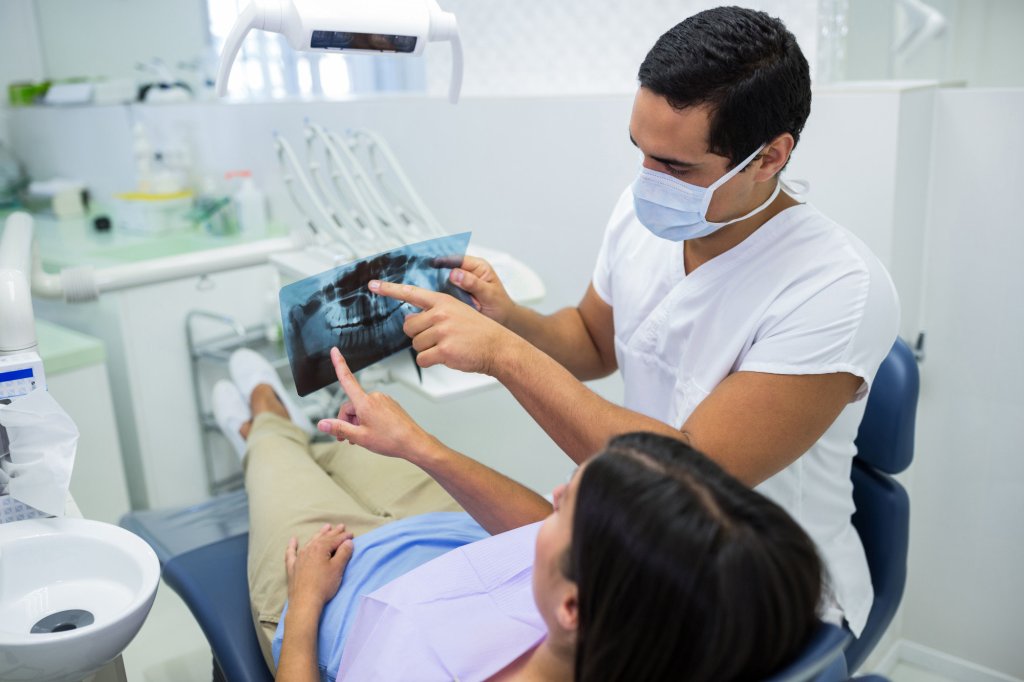
Searching for dental implants in Singapore usually starts with a simple question: am I actually a candidate for this? It’s a fair thing to wonder, because implants involve surgery, healing time, and a real financial commitment, and nobody wants to get their hopes up only to be told no at the consultation. The truth is that most people are candidates, but “most” isn’t “everyone,” and the difference comes down to a handful of specific factors a dentist checks before recommending treatment.
Understanding these factors ahead of time does more than prepare you for the consultation. It also takes some of the anxiety out of the process, since walking into an appointment blind is one of the most common reasons people feel nervous about dental visits in the first place.
Why Eligibility Isn’t a Simple Yes or No
Dental implants rely on a living foundation, the jawbone, rather than a fixed surface like a filling or crown does. That means success depends on biology as much as it depends on the procedure itself. A dentist isn’t trying to disqualify patients when they run through a checklist before surgery. They’re trying to make sure the implant actually fuses properly and lasts for years rather than failing within the first year.
This is also why a thorough consultation, not a quick glance in the mouth, is the standard for any reputable clinic. The following eight factors are what most dentists in Singapore evaluate before giving the green light.
The 8 Factors Dentists in Singapore Check First
1. Bone Density and Jaw Volume
The implant post needs enough solid bone to anchor into. Patients who lost teeth years ago sometimes experience bone shrinkage in that area, which can affect whether an implant can be placed without additional preparation first.
2. Gum Health
Active gum disease needs to be treated before implant surgery, since inflamed or infected gum tissue significantly raises the risk of implant failure down the line.
3. Overall Medical History
Conditions like uncontrolled diabetes, autoimmune disorders, or a history of radiation therapy to the jaw can affect healing and need to be factored into the treatment plan.
4. Smoking Habits
Smoking restricts blood flow to the gums and slows healing, which is one of the most common reasons implants fail early. Many dentists ask patients to pause smoking around the surgical period to protect the outcome.
5. Age and Jaw Development
Younger patients whose jawbones are still developing, typically teenagers, are usually asked to wait until growth is complete before implant placement, since implants don’t move the way natural teeth can during development.
6. Bite Alignment and Jaw Function
Misalignment or teeth grinding can place uneven stress on an implant, so dentists often assess bite function and may recommend a night guard or orthodontic adjustment alongside treatment.
7. Medication Use
Certain medications, including some bone density drugs and blood thinners, can influence healing and need to be reviewed carefully before surgery is scheduled.
8. Lifestyle and Healing Capacity
General fitness, nutrition, and sleep all play a role in how well the body heals after any surgical procedure, implants included, so a dentist may ask about these as part of a full picture.
If You Don’t Qualify Right Away, Here’s What Usually Happens
Being told you’re not an immediate candidate isn’t the same as being told no. In most cases, there’s a clear path to becoming eligible, and understanding these options in advance helps avoid unnecessary worry.
- Bone grafting, which rebuilds lost bone volume using graft material before implant placement
- Sinus lift procedures, needed when upper jaw implants are too close to the sinus cavity
- Periodontal treatment, which clears up gum disease before surgery is scheduled
- A smoking cessation period, often recommended in the weeks surrounding surgery
- Medical clearance from a physician, used when a chronic condition needs to be stabilized first
None of these steps are unusual, and clinics that regularly handle complex cases treat them as routine parts of the process rather than roadblocks.
The Emotional Side of Hearing “You’re Not a Candidate Yet”
Being told you can’t move forward with a procedure you were hoping would fix a long-standing insecurity can feel discouraging, even when it’s temporary. Tooth loss already carries an emotional weight for a lot of people, affecting confidence in photos, conversations, and even how freely someone smiles in public. Hearing that there’s another step before treatment can begin sometimes triggers frustration or a sense of being back at square one.
It helps to reframe this moment rather than treat it as a setback. A dentist recommending bone grafting or gum treatment first isn’t delaying your results out of caution for caution’s sake. They’re protecting the long-term outcome so the implant actually lasts, which ultimately protects the confidence and peace of mind you were hoping to gain in the first place. Patients who understand the “why” behind each step tend to handle the waiting period with far less anxiety than those who are simply told to come back later.
Straightforward Cases Versus Complex Cases: What Changes
Not every implant journey looks the same, and knowing where you likely fall can set realistic expectations before your first consultation.
- Straightforward cases typically involve good bone density, healthy gums, and no major medical complications
- Complex cases often require bone grafting or sinus lifts before implant placement can proceed
- Straightforward cases usually move from consultation to implant placement within a few weeks
- Complex cases may take several months longer due to healing time between preparatory procedures and final placement
- Both paths result in the same long-term outcome once treatment is complete, just on different timelines
Knowing which category you likely fall into helps set a realistic timeline instead of assuming every case follows the same schedule.
Finding a Dentist Who Looks at the Full Picture
The clinics best equipped to handle borderline or complex cases are the ones with specialists on staff rather than a single general dentist making every call alone. Nuffield Dental, a multi-clinic practice with locations across Singapore, is built around this kind of team approach, with SDC-registered specialists in periodontology and oral surgery working alongside implant-focused dentists to assess cases that need more than a routine yes or no. That kind of depth matters most for patients who were previously told they weren’t candidates elsewhere, since a second, more thorough evaluation often reveals options a quicker assessment might miss.
Moving Forward With Clarity Instead of Guesswork
Most people who want dental implants end up being candidates, even if a few need extra preparation first. The eight factors above aren’t obstacles designed to slow you down. They’re the checkpoints that make the difference between an implant that lasts decades and one that runs into trouble early. Walking into a consultation already understanding what’s being evaluated turns an intimidating appointment into a straightforward conversation, and that clarity alone tends to ease a lot of the anxiety that keeps people putting off the decision in the first place.


