

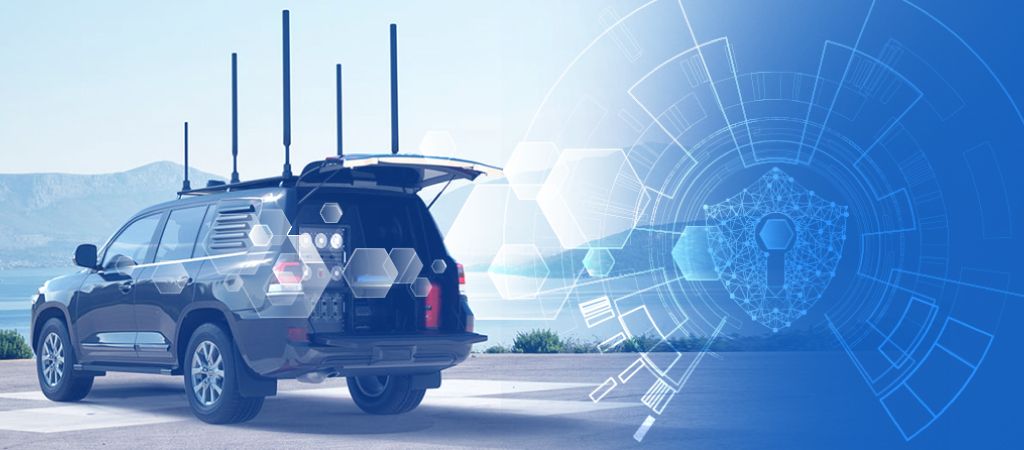
In today’s age of advanced technology, surveillance has become more sophisticated and pervasive, with threats coming from both aerial and ground-based devices. Drones equipped with cameras and audio recording capabilities can easily capture sensitive information from above, while hidden microphones and wireless recording devices pose similar risks on the ground. These technologies can breach privacy and security in corporate settings, government facilities, and personal spaces. As these threats grow, countermeasures such as audio jammers and drone jammer guns have become essential tools for protecting sensitive areas. Audio jammers prevent ground-based devices from recording conversations, while drone jammers neutralize aerial threats by disrupting their communication, ensuring that private discussions and locations remain secure from unwanted intrusion.
Drone Jammer Guns as an Effective Tool
As drone technology continues to evolve, the threat posed by unauthorized drones has become a significant security concern for both the public and private sectors. Drone jammer guns offer an effective solution to neutralize these threats by disrupting the communication signals between drones and their operators. These handheld or portable devices target the radio frequencies (RF) used by drones for control and navigation, effectively rendering the drones inoperable. By cutting off communication, drone jammer guns force drones to either land immediately or return to their point of origin, preventing them from completing their mission—whether it’s spying, smuggling, or causing harm.
How Anti-Drone Jammer Guns Work
Drone jammer guns work by emitting radio-frequency interference that overwhelms the signals drones rely on for operation. Most drones operate on common frequencies such as 2.4 GHz, 5.8 GHz, and GPS bands. The jammer gun directs interference at these frequencies, disrupting the connection between the drone and its controller. This disruption disables the drone’s ability to receive flight commands, send data, or access GPS information, effectively neutralizing the drone. The process is non-destructive, meaning that instead of physically damaging the drone, the jammer forces it to land or return safely.
Many high-quality anti-drone jammer guns, such as the SZMID DZ09-Pro, is equipped with long-range capabilities, often reaching distances of up to 2 km. This makes them ideal for use in scenarios where immediate and long-distance drone neutralization is required.
Practical Applications of Drone Jammer Guns
The versatility of drone jammer guns makes them applicable in a variety of security settings, from law enforcement and public safety to protecting critical infrastructure. Below are key use cases that highlight the effectiveness of drone jammer guns:
- Law Enforcement
Drones can be used for illicit activities, such as illegal surveillance, smuggling contraband into prisons, or even coordinating criminal operations. Drone jammer guns provide law enforcement agencies with a quick, mobile response to neutralize rogue drones. Officers can carry portable jammers to public events, patrols, or crime scenes, ensuring that any unauthorized drone activity can be swiftly stopped. Drone jammers are also increasingly used to secure prison perimeters, where drones are frequently used to deliver drugs, phones, or weapons to inmates. By cutting off communication with the drone, law enforcement officers can prevent illegal items from being delivered and apprehend the individuals involved.
- Public Events and Large Gatherings
Large public events such as concerts, sporting events, and political rallies are often targets for drone activity. Drones can be used to capture unauthorized video footage, disrupt proceedings, or pose a safety risk to large crowds. Drone jammer guns allow security teams to prevent these drones from entering restricted airspace, ensuring that the event proceeds safely without interference. Jammer guns are particularly useful for securing open spaces, such as stadiums or public parks, where drones could otherwise hover over crowds undetected. The portable nature of these devices ensures that security personnel can remain mobile while still maintaining control over the event’s airspace.
- Critical Infrastructure Protection
Critical infrastructure such as airports, power plants, government facilities, and military bases are prime targets for drone-based surveillance or attacks. Drones can be used to gather intelligence, interfere with operations, or even deliver harmful payloads. Drone jammer guns provide a powerful defense against these threats by preventing drones from entering restricted areas. In high-security zones, jammer guns can be used in conjunction with RF detection systems to identify and neutralize drones before they reach critical areas. For example, at an airport, a drone jammer gun can be deployed to prevent drones from flying near runways or terminals, protecting passengers, staff, and air traffic.
- VIP and Diplomatic Protection
Drone jammer guns are increasingly used to protect VIPs, politicians, and diplomats from drone surveillance or attack. Drones equipped with cameras can easily capture private moments or strategic conversations, compromising personal security or national interests. Security teams can use drone jammer guns to create secure airspace around the individual, preventing drones from flying overhead or capturing unauthorized footage. In diplomatic scenarios, where sensitive discussions take place, drone jammers ensure that no foreign surveillance drones are able to gather intelligence.
- Military Operations
On the battlefield, drones are often used by enemy forces for reconnaissance, surveillance, and weapon delivery. Drone jammer guns play a crucial role in military operations by neutralizing these drones before they can gather intelligence or cause harm. The portable nature of these jammer guns allows soldiers to carry them into combat zones and deploy them as needed, offering a flexible defense against drone threats in dynamic environments. Military forces also use jammer guns to secure forward operating bases, convoy routes, and patrols from aerial surveillance or attacks.
Drone jammer guns are a versatile and highly effective tool for neutralizing drone threats across various sectors, from law enforcement and public event security to critical infrastructure and military applications. By disrupting the communication between drones and their operators, these devices provide a non-destructive means of preventing unauthorized surveillance, smuggling, and potential attacks. Their portability and range make them a valuable asset for protecting sensitive areas and ensuring public safety in an increasingly drone-dominated world.
Audio Jammers and Their Role in Privacy Protection
In an era where eavesdropping and unauthorized recordings have become significant threats to privacy, audio jammers have emerged as a vital tool for protecting confidential conversations. These devices are designed to disrupt the functionality of recording devices by emitting frequencies that interfere with microphones, rendering any attempts to capture audio ineffective. As a result, audio jammers are commonly used in environments where sensitive discussions take place, ensuring that conversations remain private and secure.
With the increasing accessibility of audio jammer online products, individuals and organizations now have a range of options to protect their privacy. These devices come in various models, from portable jammers suitable for personal use to more advanced systems designed for larger corporate or government settings. Whether protecting confidential business meetings, personal conversations, or sensitive negotiations, audio jammers provide an easy and effective solution for privacy protection.
How Audio Jammer Online Products Work
Audio jammers work by creating interference that disrupts the ability of microphones and recording devices to capture clear audio. There are two main types of audio jammers: ultrasonic jammers and white noise generators. Both technologies are highly effective, depending on the environment and the specific privacy needs.
Ultrasonic Jammers: These devices emit high-frequency sound waves that are inaudible to the human ear but can cause significant disruption to recording devices. The ultrasonic waves interfere with the microphone’s ability to pick up sound, making the recorded audio distorted or unintelligible. Ultrasonic jammers are often used in environments where maintaining quiet is essential, such as corporate boardrooms or executive offices, as they don’t create audible noise for humans.
White Noise Generators: White noise jammers, on the other hand, produce a constant sound that drowns out conversation. The continuous noise covers a wide frequency range, masking speech and preventing microphones from clearly picking up voices. This type of jammer is particularly useful in environments where multiple conversations may be happening at once, such as open-plan offices, restaurants, or conferences.
With the availability of audio jammer online products, individuals can purchase and deploy these devices in any environment where privacy is at risk. Online retailers offer a variety of models, with features tailored to different needs, from portable, battery-powered jammers for on-the-go privacy to stationary units designed to protect entire rooms.
Use Cases for Audio Jammers in Privacy Protection
The use of audio jammers has become increasingly common in various sectors, especially where confidentiality and security are paramount. Below are several key use cases where audio jammers play a crucial role in protecting privacy:
- Corporate Settings
In the corporate world, maintaining the confidentiality of business discussions, strategies, and negotiations is critical. Audio jammers are widely used in boardrooms, executive offices, and conference rooms to ensure that competitors, spies, or unauthorized personnel cannot record sensitive conversations. In industries such as finance, technology, and law, where proprietary information and trade secrets are frequently discussed, the risk of unauthorized recording is particularly high. By deploying audio jammers, companies can protect intellectual property and confidential information from being leaked or misused.
For example, during mergers and acquisitions, companies may use audio jammers to secure discussions between executives and stakeholders, ensuring that no details of the negotiation are captured by hidden recording devices. Similarly, in research and development meetings, where innovative ideas or products are being discussed, audio jammers ensure that intellectual property is not compromised.
- Private Meetings and Negotiations
Whether in the business world, politics, or personal matters, private meetings and negotiations often involve the exchange of sensitive information. Audio jammers are essential for protecting these discussions from unauthorized recordings, especially in high-stakes environments where confidentiality is critical.
For example, during legal negotiations or contract discussions, parties may use audio jammers to ensure that no confidential details are recorded without consent. This is particularly important in high-profile cases, where the risk of leaks or media involvement is high. Likewise, in diplomatic meetings, where international relations and sensitive political negotiations are taking place, audio jammers can be deployed to prevent foreign governments or adversaries from eavesdropping on private conversations.
- Medical and Legal Settings
Audio jammers are also commonly used in medical and legal settings, where patient or client confidentiality is protected by law. In healthcare facilities, for instance, audio jammers may be used in consultation rooms or therapy sessions to ensure that personal medical information is not recorded or leaked. This protects patient privacy and ensures compliance with regulations such as HIPAA in the United States, which mandates the confidentiality of health information.
In the legal field, attorneys may use audio jammers in client meetings or courtrooms to safeguard privileged information and protect their clients from unauthorized surveillance. This is especially important in cases involving high-profile clients, corporate litigation, or sensitive criminal investigations, where the stakes for information leakage are particularly high.
- Government and Military Use
In government and military environments, the use of audio jammers is critical for protecting classified information and ensuring national security. These jammers are deployed in war rooms, intelligence briefings, and diplomatic negotiations to ensure that sensitive discussions are not intercepted or recorded by adversaries or foreign agents. Government officials may also use audio jammers in embassies and diplomatic missions to prevent espionage.
Additionally, in military operations, audio jammers may be used to secure communications between officers and personnel, ensuring that no unauthorized recordings are made during mission planning or strategic discussions. Given the sensitive nature of military information, audio jammers are an essential tool for maintaining the confidentiality of operations and protecting national interests.
- Personal and VIP Privacy Protection
Audio jammers are increasingly used by individuals concerned about their personal privacy, particularly high-profile figures such as celebrities, politicians, and executives. In an age where smartphones and wearable devices make it easy to record conversations, VIPs often deploy audio jammers to protect their privacy during public appearances, interviews, or private events.
For instance, a high-profile individual may use an audio jammer in their home or at social gatherings to ensure that private conversations are not recorded by hidden devices or unauthorized guests. This provides peace of mind and reduces the risk of personal information being leaked to the media or used for malicious purposes.
Audio jammers play a crucial role in privacy protection, providing a simple yet effective solution for preventing unauthorized recordings in sensitive environments. With a variety of audio jammer online products available, consumers can easily find devices tailored to their specific needs, whether for corporate, personal, or governmental use. From boardrooms and medical offices to diplomatic meetings and personal gatherings, audio jammers ensure that confidential conversations remain secure, safeguarding privacy in an increasingly surveillance-driven world.
Drone RF Detection Systems
As drones become more widely used, their potential for unauthorized surveillance, smuggling, and security breaches has grown, making early detection of these threats critical for maintaining secure environments. Drone RF detection systems are a vital component of any comprehensive drone defense strategy. These systems enable security personnel to identify and track drones before they pose a significant threat, providing early warning and allowing for a proactive response. By scanning the radio-frequency (RF) spectrum for signals emitted by drones, RF detection systems can detect and classify drones long before they are visible to the naked eye or other detection methods, such as radar or visual observation.
The Importance of Drone RF Detection in Identifying Unauthorized Activities
Drone RF detection systems work by monitoring the radio-frequency spectrum for the specific signals that drones use to communicate with their operators. Most drones operate on common RF bands, including 2.4 GHz, 5.8 GHz, and GPS bands, which are used for control commands, video transmission, and navigation. These detection systems can identify the presence of drones by detecting the signals exchanged between the drone and its controller, allowing security personnel to pinpoint the drone’s location, track its movements, and assess the threat it poses.
- Early Detection of Unauthorized Drones
One of the key benefits of drone RF detection systems is their ability to provide early detection of unauthorized drone activity. Drones can be equipped with cameras, microphones, and even payloads, making them a potential threat to privacy, safety, and security. By detecting a drone as soon as it enters the RF range, security teams can take immediate action to prevent the drone from conducting surveillance, delivering contraband, or interfering with sensitive operations. Early detection is particularly important for high-security areas such as airports, military bases, government facilities, and critical infrastructure, where a delayed response to a drone threat could have serious consequences.
- Identifying Drone Types and Assessing Threats
Advanced drone RF detection systems can also classify drones based on their RF signature, allowing security teams to identify the make and model of the drone. This capability is especially valuable in distinguishing between authorized and unauthorized drones. For example, some facilities may use drones for legitimate purposes such as inspections, deliveries, or surveillance. RF detection systems can help security personnel identify which drones are friendly and which ones may be engaging in unauthorized activity. Additionally, the system can assess the type of threat posed by the drone—whether it is merely flying nearby or intentionally approaching a restricted area—allowing for a more informed and targeted response.
- Continuous Monitoring and Situational Awareness
Drone RF detection systems provide continuous monitoring of the airspace, ensuring that any drone activity is detected and tracked in real time. This gives security teams full situational awareness of all drone movements within their perimeter. For example, at an airport, where drones can pose a serious safety hazard to aircraft, RF detection systems can monitor any incoming drones and immediately alert security personnel. This real-time tracking allows teams to deploy countermeasures such as drone jammers or other mitigation techniques before the drone reaches a sensitive or dangerous area.
Integration with Jamming Technology for Comprehensive Counter-Surveillance
While drone RF detection systems are effective at identifying drone activity, they work best when integrated with drone jamming technology to create a complete counter-surveillance solution. RF detection provides the early warning and situational awareness needed to detect and track drones while jamming technology neutralizes the threat by disrupting the drone’s communication with its operator. This combination allows for both proactive detection and immediate mitigation of drone threats.
- How Integration Works
When a drone is detected by the RF detection system, security teams are immediately notified, and the system provides information about the drone’s location, flight path, and RF signal. This data allows security personnel to assess whether the drone is a threat and, if necessary, deploy drone jammer guns or other countermeasures. Jammers work by targeting the specific RF frequencies the drone is using, cutting off its communication link and forcing it to land or return to its operator.
The integration of RF detection with jamming technology ensures that countermeasures are deployed precisely and efficiently. Instead of waiting until the drone is close to a sensitive area, the early detection provided by RF systems allows security teams to jam the drone while it is still at a safe distance, minimizing the risk to personnel, property, or operations.
- Automated Defense Systems
Some advanced drone RF detection systems can be integrated with automated defense systems, allowing for an even faster response. In this setup, once the RF detection system identifies an unauthorized drone, it can automatically activate drone jammers or other mitigation tools, neutralizing the drone without the need for manual intervention. This automated process ensures that drones are disabled as soon as they are detected, offering a real-time defense solution that is particularly useful in high-risk environments such as military installations, airports, and industrial complexes.
- Comprehensive Protection for Large Areas
By combining RF detection systems with drone jammers, organizations can protect large areas from unauthorized drone activity. This is particularly important for critical infrastructure such as power plants, water treatment facilities, and communication hubs, where a single drone could cause significant disruption or damage. RF detection systems can scan the entire area for drones, while multiple drone jammers can be strategically placed to cover all entry points and prevent drones from accessing restricted zones. This combination creates a multi-layered defense that provides comprehensive protection from aerial threats.
- Integration with Other Countermeasures
In addition to jamming technology, drone RF detection systems can also be integrated with other counter-surveillance measures, such as radar systems, camera networks, or anti-drone nets. This creates a fully integrated security system that can detect, track, and neutralize drones using a variety of tools. For example, RF detection systems may trigger radar-based tracking systems, which provide additional data on the drone’s altitude and speed. At the same time, cameras can capture visual confirmation of the drone, and anti-drone nets or kinetic countermeasures can be used to physically capture or destroy the drone if necessary. This multi-layered approach ensures that no single method of defense is relied upon, providing greater redundancy and effectiveness in protecting against drone threats.
Drone RF detection systems are a critical component of modern drone defense strategies, offering early detection, tracking, and classification of drone activity. By identifying drones before they pose a security threat, these systems allow security teams to deploy countermeasures quickly and effectively. When integrated with drone jamming technology, RF detection systems provide a comprehensive solution for neutralizing drone threats, ensuring that both detection and mitigation are handled in real-time. Whether protecting critical infrastructure, airports, or high-security environments, the combination of RF detection and jamming offers the most effective defense against unauthorized drone activity in today’s increasingly drone-filled skies.
Legal and Operational Considerations
The deployment of drone jammer guns and RF detection systems presents a variety of legal and operational challenges that must be carefully addressed to ensure compliance with local laws and prevent unintended consequences. Governments around the world have implemented strict regulations governing the use of jamming technologies due to their potential to interfere with critical communication systems. Additionally, the operation of these technologies requires specialized training to ensure they are used safely and effectively in real-world scenarios.
Legal Framework Governing the Use of Jammers and Detection Systems
The use of RF jammers is heavily regulated in most countries due to their ability to disrupt not only unauthorized drone activity but also legitimate communication services, such as Wi-Fi networks, cellular signals, and emergency services. The legal landscape surrounding drone jammer guns is complex and varies from country to country. In many places, the use of jamming devices is restricted to government agencies, law enforcement, or military organizations, while civilian and commercial use is either banned or subject to strict regulations.
- United States
In the United States, the Federal Communications Commission (FCC) regulates the use of radio-frequency jammers. Under FCC regulations, it is illegal for private individuals or businesses to use, manufacture, sell, or market RF jamming devices. The FCC’s primary concern is that jamming signals can interfere with legitimate communication services, including air traffic control, emergency services, and public safety networks. Unauthorized use of jammers can result in hefty fines, seizure of equipment, and even criminal penalties.
However, government agencies, such as law enforcement and the military, are permitted to use drone jammer guns under certain conditions. These agencies are typically granted the authority to use jammers in highly regulated environments, such as during counter-terrorism operations, securing public events, or protecting critical infrastructure. In these cases, jamming devices are deployed in coordination with federal authorities to ensure that no unintended disruption to civilian communication systems occurs.
- European Union
In the European Union, jamming technology is regulated by the European Telecommunications Standards Institute (ETSI), which sets guidelines for the use of RF spectrum across member states. Similar to the U.S., the use of RF jammers in the EU is generally restricted to government entities, such as law enforcement and defense forces. Civilian use of jamming devices is prohibited, as the potential for interference with public communication systems is considered too high.
However, in certain high-security environments, such as airports and government buildings, drone RF detection systems and jamming technologies may be permitted if they are operated under strict supervision and comply with ETSI standards. In such cases, security personnel must ensure that the jamming devices are limited to the specific RF bands used by drones and that they do not interfere with other essential communication services.
- Other Countries
In other regions of the world, regulations vary widely. In countries like China and Russia, the use of drone jammers by government agencies is more common, particularly in military contexts. However, commercial use of these devices is still tightly regulated, and civilians are generally prohibited from owning or operating jammers.
In some Middle Eastern countries, the use of jamming technology is allowed in specific circumstances, such as securing major public events or protecting critical infrastructure. However, operators must obtain special permits from the government, and the use of jammers is often restricted to designated areas where the risk of interfering with civilian communication is minimal.
Overall, the legal framework governing the use of RF detection systems is less restrictive than that for jammers, as detection systems do not disrupt communication signals. Instead, they monitor the RF spectrum and provide valuable data on drone activity, which can then be used to deploy other countermeasures. However, even RF detection systems may raise privacy concerns, especially in urban areas where they could inadvertently capture information from nearby devices or networks. Operators must ensure that their systems comply with local privacy laws and regulations regarding the monitoring of RF communications.
The Importance of Proper Training for Using Jamming Technologies
In addition to legal considerations, the operational challenges of using drone jammer guns and RF detection systems are significant. These technologies require specialized training to ensure that they are used effectively and safely. Without proper training, operators may inadvertently cause harm, such as disrupting critical communications or failing to neutralize drone threats in a timely manner.
- Training in RF Detection and Signal Identification
RF detection systems are sophisticated tools that require operators to understand the radio-frequency spectrum and how to identify drone signals among other RF sources. In high-traffic environments, such as airports or urban areas, numerous devices are constantly transmitting RF signals, including mobile phones, Wi-Fi routers, and communication towers. Security personnel must be trained to differentiate between drone signals and other RF activity to avoid false alarms and ensure that only genuine threats are addressed.
Proper training includes teaching operators how to interpret the data provided by RF detection systems, such as identifying the make and model of the drone, understanding its flight path, and assessing its potential intent. This allows for more accurate decision-making regarding when and where to deploy jamming technology or other countermeasures.
- Using Jamming Devices Safely and Effectively
Drone jammer guns are powerful tools that, if used improperly, can cause unintended interference with critical communication systems. Operators must be trained to use jammers in a way that minimizes the risk of collateral disruption. For example, jammers should be precisely aimed at the target drone to ensure that only the drone’s RF signals are disrupted, and not those of nearby Wi-Fi networks or emergency services.
In addition, operators need to understand the legal boundaries of jamming device use. For example, in some jurisdictions, jammers can only be deployed in restricted airspace or during specific security operations. Security personnel must be aware of these legal limitations to avoid fines or penalties and ensure compliance with local regulations.
Scenario-based training is often used to simulate real-world conditions where jamming technology may be deployed. This allows operators to practice using jammers in controlled environments and develop the situational awareness needed to assess potential drone threats and respond effectively. For example, operators may be trained to respond to multiple drone threats in high-traffic environments, where distinguishing between authorized and unauthorized drones is critical.
- Avoiding Unintended Consequences
One of the key challenges in using drone jammers is avoiding unintended consequences that can arise from disrupting legitimate communications. For example, deploying a jammer near an airport or emergency response center could interfere with air traffic control systems or emergency radio communications, potentially endangering lives. Proper training ensures that operators understand the range and impact of the jammers they are using and take appropriate measures to prevent unintended interference.
Additionally, operators must be trained to assess the physical environment in which they are deploying jammers. For example, in urban settings, the close proximity of multiple RF sources may increase the risk of collateral interference. Training helps operators evaluate these risks and choose the appropriate countermeasures for the situation.
The use of drone jammer guns and RF detection systems is subject to a complex web of legal regulations and operational considerations. While these technologies offer powerful solutions for neutralizing drone threats and protecting sensitive areas, their deployment must be carefully managed to ensure compliance with local laws and prevent unintended interference with critical communication systems. Proper training is essential for the safe and effective use of jamming technologies, helping operators navigate real-world scenarios and respond to drone threats without causing collateral damage. As drone technology continues to evolve, organizations must stay informed about the legal and operational challenges associated with drone countermeasures to ensure that their security strategies remain both effective and compliant.
