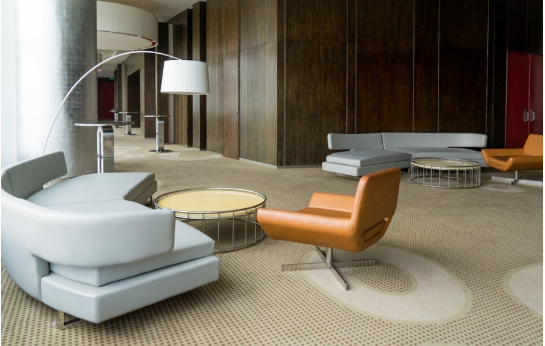
In today’s fast-paced business environment, corporate interiors play a critical role in enhancing productivity, employee well-being, and overall brand perception. As organizations seek to optimize their office spaces, smart design technologies have emerged as a powerful tool to create environments that are both aesthetically pleasing and functionally efficient. From advanced software solutions like floor plan makers to integrated lighting and climate control systems, these technologies are revolutionizing the way corporate interiors are designed and managed.
The Impact of Smart Design Technologies on Corporate Spaces
Smart design technologies are reshaping the landscape of corporate interiors by merging functionality with style in ways that were previously unachievable. Traditional office design often involved static layouts and fixed design elements, which limited the adaptability of the space. Today, technology allows designers to create dynamic environments that can evolve with the needs of the business.
One of the key benefits of smart design technologies is their ability to optimize space usage. In modern workplaces, where hybrid working models are becoming more prevalent, having flexible and adaptable office spaces is crucial. Smart technologies like sensor-driven space management systems help businesses monitor the usage of various areas and adjust layouts accordingly. For instance, if certain meeting rooms or common areas are underutilized, they can be reconfigured based on real-time data, ensuring that every square foot is used efficiently.
Moreover, the integration of IoT (Internet of Things) devices allows for the automation of various aspects of the corporate interior, such as lighting, climate control, and even furniture settings. For instance, smart lighting systems can adjust brightness and color temperature based on the time of day or occupancy, creating an environment that boosts employee concentration and comfort. Similarly, smart HVAC systems adjust the temperature based on occupancy and individual preferences, which not only enhances comfort but also leads to energy savings.
Incorporating these technologies into corporate interiors goes beyond just the functionality of the space—it can also contribute to creating a brand identity. A well-designed office that integrates smart technologies can leave a lasting impression on clients and visitors, showcasing the company’s commitment to innovation and excellence. The right mix of technology and design creates an environment that reflects the company’s values, culture, and forward-thinking approach.
The Role of Floor Plan Makers in Smart Corporate Interior Design
Among the various smart design tools available, floor plan makers have become indispensable for architects and interior designers working on corporate spaces. These digital tools enable precise planning, visualization, and execution of office layouts, all while enhancing collaboration and reducing errors.
Floor plan makers allow designers to create detailed 2D and 3D layouts, giving them a clear understanding of how different elements will fit together within a given space. This is especially useful in corporate environments where space utilization is critical. Designers can experiment with different configurations, ensuring that every inch of the office is utilized effectively without sacrificing aesthetics. These tools often come with libraries of office furniture, fixtures, and decor, allowing for accurate placement and alignment according to real-world dimensions.
One of the biggest advantages of using a floor plan maker is the ability to visualize changes in real-time. In traditional design processes, altering a layout or making adjustments would require significant manual effort and time. With floor plan software, adjustments can be made instantly, and stakeholders can view the impact of these changes immediately. This streamlines the decision-making process, enabling quicker approvals and reducing project timelines.
Additionally, floor plan makers often come with collaborative features that allow teams to work together seamlessly, even if they are spread across different locations. Designers, architects, project managers, and even clients can access the plan, provide input, and make changes collaboratively. This level of transparency and collaboration ensures that everyone involved in the project is aligned, reducing the risk of miscommunication and errors.
For organizations that prioritize sustainability, floor plan makers are also useful in designing eco-friendly spaces. Designers can simulate how natural light will enter the space, plan for energy-efficient lighting, and optimize layouts to minimize the use of non-renewable resources. By making data-driven decisions, companies can create interior environments that are both sustainable and conducive to employee well-being.
The Integration of AI and Automation in Interior Design
The integration of artificial intelligence (AI) and automation is another key trend in the development of smart corporate interiors. AI-driven design tools can analyze data from multiple sources—such as employee behavior, space utilization patterns, and even biometric data—to recommend optimal layouts, furniture arrangements, and design elements. This allows for highly personalized office environments that cater to the specific needs and preferences of the workforce.
Automation also plays a significant role in enhancing the efficiency of corporate interiors. Automated lighting, climate control, and security systems can be programmed to adjust based on usage patterns, occupancy, or even time of day. For instance, automated blinds can be set to lower during peak sunlight hours, helping to maintain a comfortable temperature inside while reducing glare. Similarly, automated meeting room booking systems ensure that spaces are used effectively, minimizing conflicts and maximizing availability.
AI-driven design platforms can also offer predictive insights, allowing companies to anticipate future needs. For example, if a company is planning to expand its workforce in the coming years, the design platform can recommend scalable solutions that can be easily adapted without requiring major renovations. This level of foresight is invaluable in a rapidly changing business environment, where flexibility and adaptability are key.
The Importance of Ergonomics and Employee Well-being
While technology plays a central role in the design of modern corporate interiors, it is equally important to consider the human aspect. Ergonomics and employee well-being are essential components of any successful office design. Poorly designed workspaces can lead to discomfort, fatigue, and even long-term health issues, which ultimately impact productivity and job satisfaction.
Smart design technologies make it easier to incorporate ergonomic principles into office layouts. For example, adjustable desks, chairs with customizable settings, and workstations designed to minimize strain are now commonly integrated into corporate interiors. Additionally, sensor-based monitoring systems can track posture, movement, and other factors, providing real-time feedback and recommendations to employees on how to improve their ergonomics.
The use of biophilic design principles—incorporating natural elements such as plants, water features, and natural lighting—has also gained popularity in recent years. Studies have shown that access to nature within the workspace can reduce stress, boost creativity, and improve overall well-being. Smart design technologies enable the precise planning and implementation of these elements, ensuring they are seamlessly integrated into the office environment.
Incorporating spaces dedicated to relaxation, social interaction, and recreation is another aspect of smart corporate interior design. Breakout areas, lounges, and quiet zones can be strategically placed to provide employees with spaces to recharge and socialize. When combined with smart technologies that manage sound levels, lighting, and temperature, these spaces become essential components of a well-rounded office environment.
The Future of Corporate Interior Design
As technology continues to advance, the future of corporate interior design will likely be defined by even greater levels of customization, adaptability, and sustainability. The convergence of AI, IoT, and automation will lead to the development of intelligent workspaces that can learn and evolve based on user behavior and preferences. These workspaces will not only be efficient and aesthetically pleasing but will also prioritize employee well-being and environmental responsibility.
For businesses, investing in smart design technologies is not just about staying on trend—it’s about creating work environments that foster innovation, collaboration, and long-term success. As corporate interiors continue to evolve, the integration of smart technologies will be a crucial factor in setting organizations apart in a competitive landscape.
In conclusion, enhancing corporate interiors with smart design technologies offers a myriad of benefits. From optimizing space usage and improving energy efficiency to creating environments that promote employee well-being, these technologies are transforming how businesses think about their workspaces. Tools like floor plan makers, AI-driven platforms, and automated systems are not just conveniences—they are essential components in designing offices that meet the demands of the modern workplace. As companies continue to embrace these innovations, the future of corporate interiors looks smarter, more flexible, and better suited to the dynamic needs of today’s workforce.