



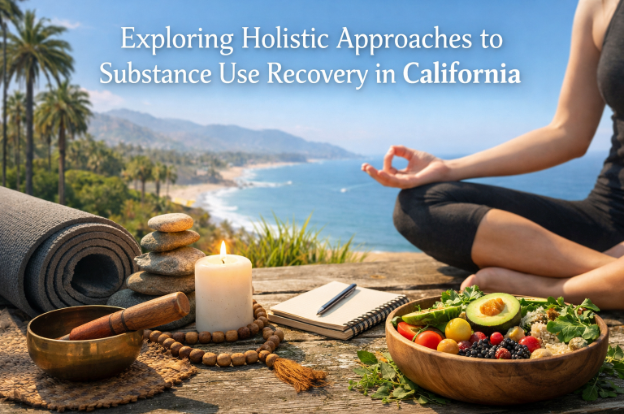
Substance use recovery is an evolving field, one that increasingly recognizes the importance of addressing the whole person rather than just the addiction itself. Across California, treatment centers and recovery programs are adopting holistic approaches, focusing not only on eliminating substance use but also on fostering mental, emotional, and physical well-being. This shift reflects a broader understanding that lasting recovery involves nurturing every aspect of life, not just abstaining from substances.
Understanding Holistic Recovery
Holistic recovery is rooted in the idea that addiction affects more than just the body—it impacts the mind, emotions, relationships, and environment. Traditional approaches to treatment often emphasize detoxification and behavioral therapy alone. While these remain essential, a holistic model encourages a broader view of healing, one that encompasses physical health, mental wellness, spiritual growth, and social connection.
By integrating multiple dimensions of care, holistic recovery seeks to provide individuals with the tools to rebuild a balanced, fulfilling life. Practices such as mindfulness, yoga, nutrition, and creative therapies complement conventional medical and psychological support, creating a more comprehensive path to sobriety.
Mental and Emotional Health in Recovery
One of the key pillars of holistic recovery is addressing mental and emotional well-being. Substance use disorders often co-occur with mental health conditions such as anxiety, depression, or trauma-related disorders. Ignoring these underlying factors can hinder recovery and increase the risk of relapse.
Programs across California increasingly emphasize integrated mental health care, combining counseling, therapy, and psychiatric support with traditional addiction treatment. Techniques such as cognitive-behavioral therapy (CBT), dialectical behavior therapy (DBT), and trauma-informed care help individuals process past experiences, develop coping strategies, and build resilience.
Physical Wellness as a Cornerstone
Physical health is another essential element of holistic recovery. Substance use can take a serious toll on the body, affecting everything from cardiovascular health to immune function. Engaging in regular exercise, improving nutrition, and learning body awareness are crucial for restoring physical vitality.
In many California drug rehab programs, physical wellness is woven into the daily routine. Activities such as yoga, pilates, or nature-based exercises not only improve fitness but also promote mindfulness and stress reduction. Nutritional guidance is equally important, helping the body repair itself and maintain stability during the challenging early stages of recovery.
Spirituality and Mindfulness
For many individuals, reconnecting with their inner selves can be a powerful aspect of recovery. Spirituality in this context does not necessarily refer to religion but to a sense of purpose, connection, and meaning. Meditation, mindfulness practices, and reflective journaling encourage self-awareness and emotional regulation, helping individuals navigate cravings and triggers with greater clarity.
Mindfulness practices, in particular, have gained popularity in California rehab settings because they provide practical tools for managing stress and enhancing overall well-being. By cultivating a sense of presence, individuals can better recognize patterns in their thoughts and behaviors, fostering healthier decision-making.
Building a Supportive Community
Recovery does not happen in isolation. Social connection and peer support are fundamental to long-term success. Holistic approaches emphasize building networks of support that may include family involvement, peer groups, and community engagement.
Supportive communities provide encouragement, accountability, and shared understanding, all of which are crucial for sustaining motivation. Many individuals find that participating in group activities, mentorship programs, or volunteer work can reinforce their commitment to recovery while fostering a sense of belonging and purpose.
The Role of Environment
California’s diverse landscape—ranging from coastal retreats to serene mountain towns—offers unique opportunities for environment-based recovery. Being in a setting that promotes calm, reflection, and connection with nature can enhance the healing process. Many programs incorporate outdoor activities, nature walks, or eco-therapy as part of a holistic treatment plan. These experiences not only support physical activity but also provide mental clarity and emotional renewal.
Tailoring Recovery to the Individual
Perhaps the most critical element of holistic recovery is personalization. No two journeys are identical, and effective treatment must adapt to the individual’s needs, experiences, and goals. This means assessing each person’s physical health, mental state, emotional resilience, and social environment, then designing a plan that integrates multiple approaches to support growth in all areas.
California drug rehab centers that embrace holistic care focus on flexibility and collaboration, ensuring that clients can engage in practices that resonate with them while still receiving the medical and therapeutic support necessary for safety and effectiveness.
Looking Ahead
Holistic approaches to substance use recovery represent a meaningful shift in the field of addiction treatment. By addressing the mind, body, emotions, and environment, these programs offer a more complete pathway to long-term wellness. For individuals seeking recovery in California, the integration of traditional therapies with complementary practices provides opportunities to heal not just from addiction but also from the deeper wounds that may have contributed to it.
Ultimately, recovery is about rebuilding a life of balance, connection, and purpose. Holistic approaches recognize that true healing extends beyond abstinence—it’s about thriving in every aspect of life.


