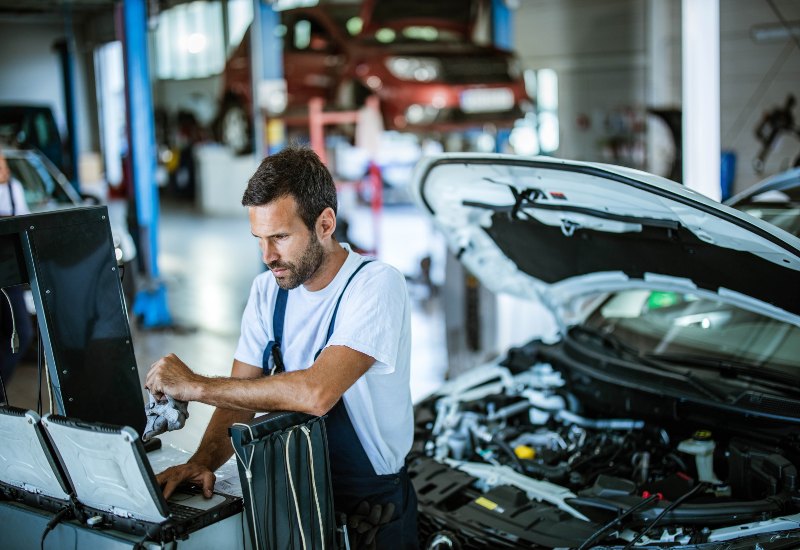
Collisions can cause a wide range of damage to vehicles, from minor dents to major structural issues. For drivers in areas like Antioch, CA, understanding the common types of collision damage and their corresponding repairs is crucial for making informed decisions about vehicle restoration. Whether it’s frame damage, body panel dents, or issues with sensors and electronics, professional auto repair services ensure that vehicles are restored to their pre-accident condition. This guide will explore the most common types of collision damage and provide insight into the repair techniques used by experts in auto repair in Antioch CA.
Frame Damage: How Bent or Cracked Frames Are Straightened or Welded
One of the most serious forms of damage a vehicle can sustain during a collision is frame damage. A vehicle’s frame is essentially the backbone of the car, supporting the engine, body, and other vital components. When a frame is bent or cracked, it compromises the integrity of the entire vehicle.
1. Assessment Using Diagnostic Tools
Technicians use advanced diagnostic equipment to measure the extent of the frame’s misalignment or cracks. These tools provide precise data to ensure an accurate repair plan.
2. Frame Straightening with Hydraulic Machines
If the frame is bent but not cracked, specialized hydraulic machines are used to pull or push the frame back into its original position. These machines apply significant force in a controlled manner, ensuring the frame is properly aligned.
3. Welding Cracked Frames
In cases where the frame is cracked, welding is necessary to restore its strength. Expert welders carefully repair the cracks using high-quality materials to maintain the frame’s integrity. A professional auto repair shop in Antioch will have the tools and expertise needed to handle complex frame repairs, ensuring the vehicle’s safety is restored after a collision.
Body Panel Damage: Dent Repair Techniques, Including Paintless Dent Removal (PDR)
Body panels, including doors, fenders, and hoods, are often the first parts of a vehicle to sustain damage in a collision. Dents, scratches, and even holes can mar the exterior, reducing the vehicle’s aesthetic appeal and resale value.
1. Paintless Dent Removal (PDR)
PDR is a highly effective technique for fixing minor dents without affecting the vehicle’s paint. Technicians use special tools to gently massage the dented area from behind the panel, restoring it to its original shape. This method is quick, cost-effective, and leaves no visible marks.
2. Traditional Dent Repair and Repainting
For more severe dents, especially those that have chipped the paint, traditional dent repair is required. Technicians will remove the dent, fill in any gaps, and sand the surface before applying a fresh coat of paint. This ensures the damage is fully concealed, and the panel looks as good as new.
Suspension Damage: How Accidents Affect Alignment, Control Arms, and Shocks
The suspension system plays a critical role in providing a smooth ride and maintaining control of the vehicle. After a collision, suspension damage can cause alignment problems and make driving unsafe.
1. Control Arms
The control arms are responsible for connecting the wheels to the car’s frame. If these arms are bent or damaged in an accident, they will affect the alignment and handling of the vehicle. Replacing or repairing bent control arms is essential for ensuring proper wheel alignment and safe driving.
2. Shocks and Struts
Shocks and struts absorb the impact from bumps and road imperfections. Collisions can cause these components to wear out or become damaged, leading to a rougher ride. Replacing shocks or struts is necessary to restore a smooth driving experience.
3. Wheel Alignment
Even minor accidents can throw off the vehicle’s alignment, causing the tires to wear unevenly and affecting the car’s handling. After an accident, it’s important to have the vehicle’s alignment checked and adjusted as necessary.
Glass Damage: Replacement and Sealing of Broken Windshields and Windows
Glass damage is another common issue after a collision, with windshields and windows often sustaining cracks or shattering completely.
1. Crack Repair
If the windshield or window glass is only slightly cracked, technicians can inject a resin into the crack to seal it and prevent further damage. This process is quick and helps preserve the integrity of the glass without needing a full replacement.
2. Windshield and Window Replacement
In cases where the glass is shattered or the crack is too large, a complete replacement is necessary. The damaged glass is carefully removed, and new glass is installed using high-quality adhesives to ensure a secure fit.
Electrical and Sensor Damage: Impact on Modern Vehicles’ Sensors
Modern vehicles are equipped with a range of sensors that control everything from airbags to blind-spot monitoring systems. Collisions can easily disrupt these sensors, leading to safety concerns and malfunctioning systems.
1. Airbag System Repairs
After a collision, the airbag system may need to be reset or repaired. Technicians will replace any damaged components and ensure the system is properly calibrated to deploy if needed in the future.
2. Blind-Spot Monitoring and Parking Assistance
These systems rely on sensors embedded in various parts of the vehicle. If these sensors are damaged, they may provide inaccurate readings or stop functioning altogether. Repairing or replacing these sensors is necessary for restoring their functionality.
3. Electrical System Diagnostics
The electrical system can be impacted by collisions, especially if the wiring is damaged. A thorough diagnostic test can reveal any issues, which technicians will address by repairing or replacing damaged components.
Conclusion
Understanding the common types of collision damage and how they are repaired can help vehicle owners feel more confident when seeking repairs after an accident. From frame straightening to sensor recalibration, professional collision repair Antioch ensures that vehicles are restored to their original condition, both structurally and aesthetically. Trusting skilled technicians with the right tools and expertise is key to getting back on the road safely and quickly.