



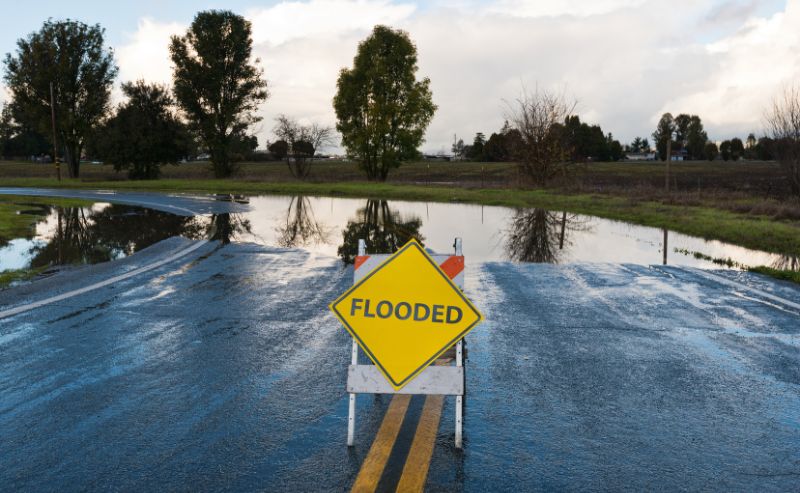
In recent years, the global climate scenario has led to a significant rise in the frequency and severity of natural disasters. Among these catastrophic events, flooding poses a notable risk, particularly to coastal cities. The Gold Coast floods stand as a testament to the vulnerabilities faced by urban centres to the menace of rising water levels and the urgent need for enhanced flood resilience.
Understanding The Gold Coast’s Flood Risk
The Gold Coast, with its beautiful beaches and vibrant lifestyle, is also an area prone to flooding. The risk is compounded by its low-lying topography, proximity to water bodies and occasional tropical storms. Recognising the potential dangers and the social as well as economic ramifications, it is imperative for local authorities and communities to undertake proactive measures to mitigate flood risk.
Assessing Vulnerability and Predictive Planning
To enhance flood resilience, a holistic approach encompassing predictive planning and risk assessment is essential. This includes examining past flood data, modelling potential future scenarios, and identifying high-risk zones. Infrastructure design must also embrace flood-resilient features such as elevated constructions, natural barriers, and effective drainage systems to cope with high water incidents.
Community Engagement and Awareness
Community involvement is an invaluable component of enhancing flood resilience. It is essential to ensure that residents are well-informed of the risks and the steps they should take during a flood event. Public awareness campaigns, emergency communication systems, and engagement initiatives can equip communities with the knowledge to prepare for, respond to, and recover from flooding.
Economic Considerations and Insurance
Floods can considerably strain local economies, affecting businesses and homeowners alike. To minimise financial losses, adequate investment in flood defence infrastructure and promoting flood insurance uptake are crucial. Insurance serves as a safety net, enabling individuals and businesses to recover post-floods, therefore preventing long-term economic downturns.
Collaboration with Meteorological Experts
Reliable weather forecasting and real-time data are instrumental in predicting flood events. Collaborating with meteorological experts allows for early warning systems to be put in place, facilitating timely evacuations and preventative actions. Such partnerships are key in reducing the impact of floods when they do occur.
Implementing Sustainable Urban Development
Sustainable urban development and land use planning have a significant role in flood resilience. This involves adopting approaches that preserve and enhance natural waterways, investing in green spaces that can absorb excess rainfall, and ensuring development does not exacerbate flood risks. Such measures are central to creating a balance between urbanisation and the natural environment.
Enhancing Emergency Response Strategies
In the event of a flood, the efficiency of emergency response is crucial in saving lives and reducing damage. This includes having a well-coordinated emergency management framework, regular drills and exercises, and ensuring that rescue and relief resources are readily deployable in flood-prone areas.
Investing in Flood Protection Infrastructure
Investment in flood protection infrastructure is paramount. This includes barriers, levees, and floodwalls designed to protect vulnerable areas. Innovative technologies, such as smart water management systems, can also provide adaptive solutions to control floodwaters dynamically.
Regular Maintenance and Infrastructure Upgrades
Regular maintenance of existing infrastructure and continuous upgrades to incorporate the latest in flood defence technology are essential aspects of a resilient city. This proactive approach ensures that systems do not become outdated and can handle the ever-changing demands posed by new weather patterns.
Integrating Flood Resilience in Policy Making
Policy and legislative measures have a significant influence on promoting flood resilience. It is essential that policies reflect the latest research and holistic strategies to mitigate flood risks. This can foster a regulatory environment that promotes resilience at all levels of urban planning and management.
Strengthening Post-Flood Recovery and Rehabilitation
Resilience is not only about preventing floods but also about recovering from them effectively. Post-flood recovery processes should be streamlined to provide rapid relief, repair, and rehabilitation to affected individuals and businesses. These processes must include mental health support, financial aid, and strategies to bounce back stronger.
Conclusion: A Collective Effort Towards Flood Resilience
Flood resilience on the Gold Coast demands a multifaceted and proactive approach. It requires the commitment of government authorities, businesses, communities, and individuals. By implementing predictive planning, elevating community awareness, investing in infrastructure, and adopting sustainable development practices, cities like the Gold Coast can fortify themselves against the challenges posed by floods. As climate patterns continue to evolve, our efforts must also adapt, ensuring that resilience is built into the very fabric of our coastal communities. The Gold Coast floods serve as a reminder that while we may not be able to prevent every natural disaster, with thoughtful planning and collective action, we can mitigate their impacts and recover more robustly.
It is clear that no single measure can guarantee complete safety from flooding, but an integrated approach combining advanced technology, community involvement, and sustainable urban practices can significantly bolster the Gold Coast’s resilience. Ensuring residents and properties are protected from the inevitable challenges posed by nature is not just a priority but an obligation for policymakers, developers, and citizens alike.


