



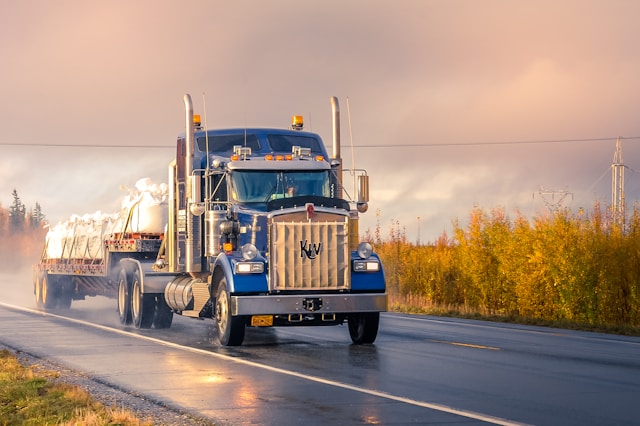
Road conditions play a critical role in truck accidents, significantly impacting vehicle stability and control. Potholes can lead to major instability, causing cargo to shift or tires to blow out, while uneven surfaces put extra strain on suspension systems, increasing the likelihood of an accident. Additionally, weather conditions such as rain, ice, and snow require longer stopping distances, making navigation even more challenging for truck drivers.
Poor visibility at night and roadway design flaws, like narrow lanes, further complicate maneuverability and increase risks. These factors highlight the importance of regular vehicle maintenance and infrastructure improvements. If you’ve been affected by a truck accident, it’s important to contact a truck accident attorney to understand your options and protect your rights.
Overview of Truck Accidents
When considering the landscape of road safety, truck accidents represent a significant concern that affects both drivers and the economy. Statistically, large trucks account for approximately 4% of all registered vehicles, yet they’re involved in nearly 10% of fatal crashes. This disproportion can often be attributed to factors such as driver fatigue and equipment failure.
Driver fatigue is one of the leading causes of truck accidents, with studies indicating that over 30% of truck drivers admit to having fallen asleep at the wheel. The demanding schedules imposed on drivers contribute to this issue, as they may feel pressured to log excessive hours, disregarding their need for rest.
Equipment failure also plays a critical role in these accidents. According to the Federal Motor Carrier Safety Administration, around 10% of truck accidents are linked to mechanical issues. Common failures include brake malfunctions and tire blowouts, often due to inadequate maintenance.
Together, these factors create a dangerous environment on the road, underscoring the need for more stringent regulations and increased awareness about the importance of both driver well-being and regular vehicle maintenance. Remember, if negligence is the reason for your accident, you can take legal action. File a claim and get the compensation you deserve with the help of a truck accident lawyer.
Impact of Potholes
Potholes, often seen as mere inconveniences by everyday drivers, can greatly impact truck safety and performance. For truck drivers, encountering a pothole can lead to severe vehicle instability, increasing the risk of accidents. A study by the Federal Highway Administration revealed that poor road conditions, including potholes, contribute to approximately 30% of truck accidents. The abrupt jolt from hitting a pothole can cause cargo shifts, impair steering, and even lead to tire blowouts.
Effective pothole management is vital to mitigating these risks. Regular inspections and prompt road repair can considerably reduce the likelihood of accidents. According to the American Society of Civil Engineers, every dollar spent on road maintenance yields a return of $6 in economic benefits. This statistic underscores the significance of proactive maintenance strategies to guarantee safer trucking conditions.
When you drive a truck, it’s important to be aware of the road conditions and to advocate for better infrastructure. Potholes are more than just bumps in the road; they represent a serious threat to your safety and the safety of others on the road.
Prioritizing road repair can lead to safer journeys and fewer accidents.
Effects of Uneven Surfaces
Uneven surfaces on roadways pose significant hazards for truck drivers, often leading to loss of control and increased wear on vehicles. When you encounter bumps, dips, or ruts, your truck’s suspension systems must work harder to absorb these shocks. This can reduce overall stability, making it difficult to maintain control, especially at higher speeds.
Studies show that trucks with suboptimal suspension systems are more prone to swaying, which can increase the risk of accidents.
Moreover, the performance of your tires is directly affected by uneven surfaces. When tires don’t make consistent contact with the road, you can experience uneven wear, reduced traction, and longer stopping distances.
Data indicates that trucks operating on poorly maintained roads suffer a 30% increase in tire-related incidents compared to those on smoother surfaces.
In addition, the stress on suspension systems can lead to mechanical failures, compounding the risks you face. Regular maintenance checks become vital, as wear and tear from uneven surfaces can escalate quickly.
Ultimately, awareness and proactive measures are essential in mitigating the dangers posed by these hazardous road conditions.
Weather Conditions and Accidents
Road conditions aren’t the only factor influencing truck safety; weather conditions play a notable role as well. When you’re driving a truck, slippery surfaces due to rain impact can drastically affect braking distances and handling.
For instance, heavy rainfall can lead to hydroplaning, increasing the risk of accidents. Similarly, ice buildup on roads during colder months creates hazardous situations, often resulting in loss of traction.
Snow accumulation can also create treacherous driving environments, requiring you to take extra precautions. Temperature extremes can lead to rapid changes in road conditions, making it essential to monitor forecasts.
Wind gusts can destabilize large trucks, challenging your ability to maintain control. Additionally, foggy conditions can greatly contribute to visibility reduction, making it difficult to gauge distances and react to obstacles in time.
With these weather-related factors in mind, it’s important to adjust your driving style accordingly. Slow down, increase following distances, and stay alert to changing conditions.
Visibility Challenges
Many drivers underestimate the impact of visibility challenges on truck safety, yet poor visibility greatly increases the risk of accidents. Studies show that about 60% of truck accidents occur during night driving or in low-light conditions. During these times, reduced visibility can hinder a driver’s ability to react promptly to obstacles or changing road conditions.
Moreover, poor signage exacerbates this issue. When road signs aren’t clearly visible due to inadequate lighting, wear, or obstructions, truck drivers might miss vital information about upcoming turns, speed limits, or hazards. For instance, a study by the Federal Highway Administration found that nearly 25% of drivers reported difficulty in seeing signs at night, which can lead to navigational errors or sudden lane changes—both of which are particularly dangerous for large trucks.
Additionally, the size and weight of trucks mean that stopping distances are longer. If visibility is compromised, a truck driver may misjudge the distance needed to stop, increasing the likelihood of collisions.
Addressing these visibility challenges is essential for enhancing truck safety and reducing accident rates, especially in night driving conditions.
Roadway Design Flaws
When poorly designed, highways can considerably contribute to truck accidents, as inadequate roadway features often fail to accommodate the unique needs of large vehicles. One important aspect is road width. Insufficient lane width can restrict maneuverability, forcing truck drivers to make abrupt adjustments that increase the risk of losing control. Studies indicate that a minimum lane width of 12 feet is recommended for accommodating trucks safely; anything narrower can be hazardous.
Furthermore, lane markings play a significant role in guiding drivers. Faded or poorly placed markings can confuse truck drivers, especially when they need to navigate tight turns or merge onto busy highways. Accurate, clear lane markings help maintain proper positioning on the road, yet many highways neglect this important element.
Additionally, the design of on-ramps and off-ramps can create significant challenges for trucks. If these ramps are too short or steep, trucks may struggle to decelerate or accelerate safely.
Maintenance Issues
Inadequate maintenance of roadways can exacerbate the hazards posed by design flaws, greatly increasing the risk of truck accidents. When you consider that 80% of truck crashes are linked to vehicle maintenance issues or driver error, it’s clear that both roadway and vehicle upkeep are essential.
Poor tire maintenance, for instance, can lead to blowouts, especially on uneven or poorly maintained surfaces. According to the National Highway Traffic Safety Administration, under-inflated tires markedly increase stopping distances, making timely brake checks even more important.
Regular brake checks are critical for ensuring that trucks can respond effectively to unexpected road conditions. A failure in braking systems can be catastrophic, particularly on roads with potholes or gravel patches.
The Federal Motor Carrier Safety Administration estimates that brake system issues contribute to 29% of all truck crashes.
Your attention to both roadway and vehicle maintenance can’t be overstated. Investing in proper tire maintenance and conducting frequent brake checks not only enhances vehicle safety but also reduces the likelihood of accidents caused by deteriorating road conditions.
Load Distribution Factors
Proper load distribution is essential for maintaining vehicle stability and safety on the road. When you load a truck, you must guarantee that the weight is evenly distributed across the axles. Uneven weight management can lead to severe handling issues, increasing the risk of rollovers or loss of control.
Studies show that trucks with improper cargo stability are five times more likely to be involved in accidents compared to those with balanced loads.
To achieve ideal load distribution, consider both the weight and the placement of the cargo. Heavy items should be positioned low and close to the center of the truck to lower the center of gravity. Additionally, securing the load with appropriate tie-downs prevents shifting during transit, which can disrupt balance and lead to accidents.
Monitoring your cargo’s weight is equally important. Overloading any axle beyond its limit can cause tire blowouts or brake failures, greatly increasing the risk of accidents.
Driver Response and Training
Although many factors contribute to truck accidents, driver response and training play a pivotal role in guaranteeing safety on the road. Studies show that nearly 90% of truck accidents result from human error, highlighting the importance of effective driver training programs. When conditions deteriorate due to weather or road quality, a driver’s ability to respond can greatly mitigate risks.
Proper driver training equips you with the skills to handle various scenarios, including sudden stops, swerving to avoid obstacles, or steering through slippery surfaces. Emergency response techniques taught during training can determine outcomes in critical situations. For instance, drivers who practice emergency braking and evasive maneuvers are more likely to avoid collisions when faced with unexpected challenges.
Data supports that companies investing in extensive training see a 30% reduction in accident rates. This emphasizes the need for ongoing education, not just at initial hiring but throughout a driver’s career.
Continuous training guarantees that you remain adept at recognizing hazards and making split-second decisions, ultimately contributing to safer roads for everyone. By prioritizing driver training, we can enhance emergency response capabilities and greatly reduce the likelihood of accidents.
Policy Recommendations for Safety
To enhance safety on the roads, policymakers need to step up and consider actionable recommendations that address the multifaceted nature of truck accidents.
First, implementing stricter regulatory measures on road maintenance can greatly reduce hazards. Regular assessments of road conditions, especially in high-traffic areas, guarantee that surfaces remain safe for heavy vehicles.
Second, establishing national safety standards for both trucks and road infrastructure is essential. These standards should include requirements for adequate signage, proper drainage systems, and consistent surface quality. By mandating compliance, you can create a safer environment for all drivers.
Third, integrating advanced technology, such as real-time traffic monitoring and weather-related alerts, can provide vital information to truck drivers. This proactive approach allows them to make informed decisions, potentially avoiding hazardous conditions.
Lastly, fostering collaboration between trucking companies, local governments, and safety organizations can lead to innovative solutions tailored to specific regional challenges.
Frequently Asked Questions
How Can Drivers Minimize Risks on Poor Road Conditions?
To minimize risks on poor road conditions, you should enhance your driver awareness by adjusting your speed, maintaining a safe distance, and closely monitoring weather conditions. Staying informed can greatly reduce the likelihood of accidents.
What Role Does Truck Maintenance Play in Accident Prevention?
Truck maintenance’s essential for accident prevention. By conducting preventative inspections and ensuring tire quality, you can greatly reduce breakdown risks and improve overall safety, ultimately protecting yourself and others on the road during your journeys.
Are Certain Truck Models Safer on Damaged Roads?
When considering truck models, you’ll find that advanced truck design enhances stability, while superior tire performance improves grip on damaged roads. These factors greatly impact safety, reducing accident risks under challenging conditions.
How Do Local Government Policies Affect Road Maintenance?
Local government policies directly impact road maintenance through funding allocation, policy enforcement, and maintenance schedules. Your community’s involvement in advocating for infrastructure investment guarantees compliance with safety regulations, ultimately enhancing road safety for all road users.
What Technology Can Help Improve Truck Safety on Bad Roads?
You can enhance truck safety on bad roads by integrating adaptive systems and advanced safety features. These technologies adjust to real-time conditions, reducing risks and improving overall response, ensuring safer journeys despite challenging environments.
Conclusion
In summary, road conditions play an essential role in truck accidents, impacting safety greatly. Potholes, uneven surfaces, and adverse weather can severely impair a truck’s stability and control. Additionally, visibility challenges and maintenance issues compound the risks. Proper load distribution and driver training are vital in mitigating these dangers. By implementing targeted policy recommendations and investing in infrastructure improvements, we can enhance road safety and reduce the frequency of truck-related accidents, ultimately saving lives and resources.


