



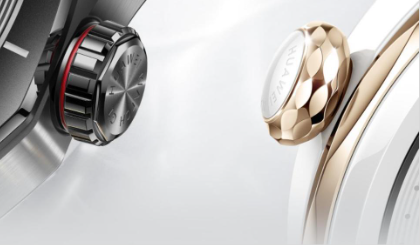
Smartwatches have become essential tools for anyone serious about achieving their fitness goals. These wearable devices, like the HUAWEI watch gt5, are designed to provide real-time data, personalized coaching, and comprehensive health monitoring, which are crucial for staying on track with your fitness journey. With features like advanced heart rate monitoring, GPS tracking, and detailed workout analysis, smartwatches offer more than just basic activity tracking—they provide a complete fitness solution. Additionally, their ability to integrate with fitness apps, offer AI-powered workout recommendations and monitor overall health makes them invaluable for anyone looking to improve their physical condition. This article explores how a smartwatch can be your best companion in achieving your fitness goals, offering insights into the advanced features that set them apart from traditional fitness trackers.
What Advanced Fitness Tracking Features Do Smartwatches Offer?
Real-Time Heart Rate Monitoring
One of the most critical features of a smartwatch is its ability to monitor heart rate in real-time. This functionality allows users to track their heart rate during various activities, ensuring that they are working within their optimal heart rate zones. By providing continuous heart rate monitoring, smartwatches help users gauge their intensity levels, whether they’re aiming for fat-burning, endurance, or peak performance. Additionally, many smartwatches now offer heart rate variability (HRV) tracking, which provides insights into overall cardiovascular health and recovery. This advanced monitoring capability allows users to make informed decisions about their workouts, adjusting intensity as needed to maximize results and prevent overtraining. The accuracy and immediacy of real-time heart rate data make smartwatches a superior choice for fitness enthusiasts.
GPS Tracking for Outdoor Activities
GPS tracking is another standout feature of smartwatches that caters to those who enjoy outdoor activities such as running, cycling, or hiking. With built-in GPS, smartwatches can accurately track your route, distance, pace, and elevation without needing to carry a smartphone. This data is invaluable for anyone looking to improve their performance over time, as it allows for detailed analysis of each workout. The ability to map routes and set distance goals also adds a layer of motivation, encouraging users to explore new paths and challenge themselves. Furthermore, GPS tracking can be crucial for safety, as it provides accurate location data that can be shared with friends or family during long-distance activities. This feature makes smartwatches indispensable for outdoor fitness enthusiasts.
Detailed Workout Analysis and Progress Reports
Smartwatches provide comprehensive workout analysis, offering users insights into every aspect of their exercise routine. From calorie burn to workout duration and intensity, these devices compile data into detailed reports that help users track their progress over time. Many smartwatches also offer automatic workout detection, ensuring that every movement is recorded without needing to manually start a session. This feature is particularly useful for those with varied workout routines, as it captures everything from running and swimming to yoga and strength training. Additionally, progress reports often include personalized feedback, highlighting areas of improvement and suggesting adjustments to help users reach their fitness goals faster. The ability to access and analyze this level of detail makes smartwatches a powerful tool for anyone committed to achieving their fitness objectives.
How Can a Smartwatch Provide Personalized Fitness Coaching?
AI-Powered Workout Recommendations
AI-powered workout recommendations are transforming how users approach their fitness routines. Smartwatches equipped with AI analyze your past activities, current fitness level, and goals to suggest personalized workouts. This can range from suggesting specific exercises to structuring entire workout plans tailored to your needs. For example, if your data shows that you’ve been focusing heavily on cardio, the smartwatch might recommend strength training to balance your routine. These recommendations evolve over time as the AI learns more about your habits and progress, ensuring that your workouts remain effective and challenging. This level of personalized coaching is like having a personal trainer on your wrist, guiding you towards your fitness goals with expert precision and adaptability.
Customizable Fitness Plans
One of the most valuable aspects of a smartwatch is its ability to create and adapt customizable fitness plans. Users can input their fitness goals, such as weight loss, muscle gain, or endurance improvement, and the smartwatch will generate a tailored plan to help achieve these objectives. These plans can include a mix of cardio, strength training, flexibility exercises, and rest days, all scheduled according to the user’s preferences and availability. As you progress, the smartwatch can adjust the intensity and duration of workouts to ensure continuous improvement. This feature provides structure and motivation, helping users stay committed to their goals while offering the flexibility to modify plans based on changing needs or new fitness milestones.
Recovery and Rest Day Monitoring
Proper recovery is as important as the workouts themselves, and smartwatches excel in helping users monitor their rest and recovery. By tracking metrics like heart rate variability (HRV), sleep quality, and even muscle strain, these devices provide insights into how well your body is recovering from exercise. Smartwatches can recommend rest days when needed, ensuring that users avoid overtraining and reduce the risk of injury. They also offer features like guided breathing exercises or mindfulness sessions to aid in recovery and stress management. This holistic approach to fitness, which includes both activity and recovery, helps users maintain a balanced routine that supports long-term health and fitness goals.
How Do Smartwatches Help Monitor and Improve Overall Health?
Sleep and Stress Tracking
Sleep and stress are critical factors that impact overall health and fitness, and smartwatches are increasingly sophisticated in monitoring these areas. With advanced sleep tracking, smartwatches analyze your sleep stages, providing insights into REM, deep sleep, and light sleep cycles. This data helps users understand their sleep patterns and make adjustments to improve sleep quality. Stress tracking, on the other hand, uses heart rate variability and other metrics to gauge stress levels throughout the day. Smartwatches often provide tools such as guided breathing exercises to help manage stress effectively. By keeping tabs on both sleep and stress, smartwatches help users maintain balance in their lives, which is essential for achieving fitness goals and overall well-being.
Monitoring Nutrition and Hydration
Smartwatches are becoming more integrated with apps and features that help monitor nutrition and hydration. Users can log their daily food intake, track calories, and monitor macronutrients directly from their smartwatch. Some devices even offer reminders to drink water throughout the day, helping users stay hydrated. These features are particularly beneficial for those with specific dietary goals or who need to manage their nutrition closely, such as athletes or individuals on specialized diets. By providing this level of tracking and monitoring, smartwatches help users ensure that their nutritional habits align with their fitness goals, offering a comprehensive approach to health management.

Regular Health Checkups and Alerts
Smartwatches are increasingly equipped with features that allow for regular health checkups and alerts. These devices can monitor critical health metrics like heart rate, blood oxygen levels, and even perform ECGs, providing users with a snapshot of their current health status. If any irregularities are detected, such as an unusually high heart rate or abnormal ECG results, the smartwatch can alert the user immediately, advising them to seek medical attention if necessary. This proactive approach to health monitoring ensures that users can address potential issues early, making smartwatches not just fitness companions but also vital tools for maintaining overall health and preventing serious health problems.
Conclusion
Smartwatches are powerful tools that can significantly enhance your ability to achieve fitness goals. With advanced fitness tracking features, personalized coaching, and comprehensive health monitoring, these devices offer a level of support that goes far beyond traditional fitness trackers. Whether you’re training for a marathon, looking to improve your overall health, or simply trying to stay active, a smartwatch provides the data, insights, and motivation needed to succeed. As smartwatches continue to evolve, their role in helping users maintain a balanced and healthy lifestyle will only become more integral. By integrating seamlessly into your daily routine, smartwatches truly suit your fitness goals best, making them an essential part of your health and wellness journey.


