

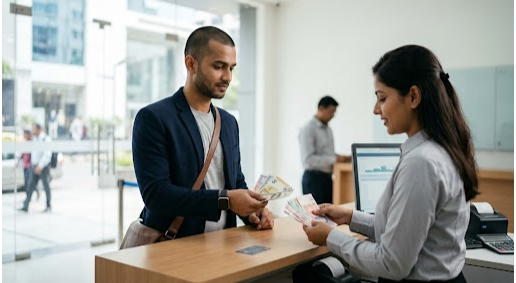
Leaving leftover forex cash in a drawer is a classic post-holiday habit. We often tell ourselves we will use it on our next adventure, but those notes usually sit there for years, gathering dust and losing value.
This habit is becoming incredibly expensive as our global adventures grow. According to recent data, Indian outbound travel spending under the Liberalised Remittance Scheme (LRS) hit a staggering $16.96 billion for the 2024-25 financial year. With billions flowing across borders, the volume of cash slipping through the cracks and sitting idle back home is hitting record highs.
That leftover money could easily be returned to your bank account as extra funds. That is exactly where a forex buyback comes to the rescue. Let us understand how this simple cash exchange process works, why you should do it, and how to get the most out of your holiday budget.
What is a forex buyback?
Forex buyback is simply selling your leftover foreign currency back to a financial service provider in exchange for your local currency. Think of it as the exact reverse of what you did before you travelled.
When you prepare for a holiday, you trade your local money for the currency of your destination. When you land back home, a buyback lets you flip that transaction on its head. It is the ultimate way to tidy up your travel finances and ensure your hard-earned holiday money does not go to waste.
How does the buyback process actually work?
If you have never done a cash exchange after a holiday, you might imagine a mountain of paperwork and endless queues. Fortunately, the modern process is incredibly simple and stress-free. No matter where you are in the world, the basic process always looks like this:
- The rate check: The platform (shop or app) looks at the current global value of your foreign money. They will offer you a “buying rate,” which is usually a tiny bit lower than the live market rate to cover their handling costs.
- The note inspection: This is done to ensure the bills/notes are genuine, clean, and not badly torn. Most places will only take paper notes and will politely decline loose coins, as coins are too heavy and expensive to ship back to their home countries.
- The ID check: Because moving money across borders is highly regulated, you will always need to show a valid photo ID (like your passport or driving license). This is just a standard safety check to prevent illegal trading.
- The payout: Once everything clears, they hand you your local cash on the spot or transfer it directly into your bank account.
With Niyo, you can sell your unused foreign currency back at the live market rates with total transparency.
Why you should never leave foreign cash?
It is easy to look at a leftover 50-dollar or 100-euro note and think, “I will just save it for next time.” While that comes from a place of good intentions, holding onto physical foreign notes rarely pays off. Here is why keeping a personal cash reserve can backfire:
Exchange rates fluctuate constantly
The global market never sleeps. The currency you hold could drop significantly in value against your local currency while it sits in your wardrobe. What is worth a decent amount today might buy you far less in a few years.
Banknotes expire and change
Central banks around the world regularly update their currency designs to improve security and prevent counterfeiting. If a country introduces new polymer notes or updates its imagery, older paper notes are phased out. Trying to exchange outdated notes down the line can be an absolute nightmare.
It is idle money
Cash sitting in a drawer earns zero interest. By converting it back into your local currency, you put that money straight back to work. You can use it to clear off post-holiday credit card bills, invest it, or start building a fresh savings pot for your next big getaway.
Common mistakes to avoid during a cash exchange
To get the absolute best value for your leftover money, try to steer clear of these frequent travel mistakes:
- Using airport counters: Leaving your exchange until you are at the airport arrivals terminal is a massive money-drainer. Airport kiosks are known for offering lousy exchange rates and tacking on hefty service fees because they rely on convenience.
- Waiting too long: Try to handle your forex buyback within a few weeks of landing. It checks an item off your post-trip to-do list and protects you from sudden drops in the currency market.
- Damaging the notes: Treat your foreign notes with care while travelling. Many exchange platforms cannot accept notes that are heavily torn, heavily stained, or written on, as they cannot easily resell them to other travellers.
Say hello to the Niyo Buy Back guarantee!
If you want to skip the confusing math and avoid getting ripped off by expensive airport kiosks, Niyo has launched a brilliant new Buy Back feature for forex cash. It is designed to give you ultimate peace of mind and complete control over your holiday budget.
When you buy your foreign currency through Niyo, you can lock in an incredible safety net. Here is exactly how the Niyo Buy Back feature works:
- Get the best rates: When you return, you can sell your unused forex cash back to Niyo at that exact day’s live VISA rate. This gives you a highly competitive exchange rate compared to traditional market players.
- Super flexible timeline: There is absolutely no need to rush to an exchange counter the second you step off the plane. Niyo gives you up to 60 days after your trip ends to sell back your currency.
- How it works: Simply opt in for the Buy Back Guarantee Fee at the time of your original purchase. When you get back, you can sell back any amount up to or equal to your original purchase size.
- Your choice of fulfilment: Niyo keeps things wonderfully easy. When you are ready for your cash exchange, you can choose between a hassle-free home pick-up or simply walking into a NiyoForex branch.
Don’t let your leftover travel money turn into forgotten paper. Turn your foreign cash back into useful local currency with Niyo, and start dreaming about where you will fly off to next!
FAQs
1. Why can’t I just keep my foreign cash for my next holiday?
Foreign currencies fluctuate constantly, and central banks regularly update note designs. Keeping cash in a drawer risks the notes losing value or becoming entirely obsolete before your next trip.
2. What documents do I need to provide for a standard cash exchange?
To comply with global anti-money laundering regulations, you will always need to show a valid government-issued photo ID. This typically means bringing your passport or driving licence.
3. Can I sell back any amount of leftover forex cash to Niyo?
You can sell back any amount as long as it is equal to or less than the original volume you purchased for that specific order.
4. How do I activate the Niyo Buy Back feature?
It is incredibly simple. All you need to do is opt in for the Buy Back Guarantee Fee at the exact time you make your original currency purchase.
5. How long do I have to use the Niyo Buy Back feature after my trip?
Niyo gives you a very comfortable window of up to 60 days from your official trip end date to initiate your secure buyback.
