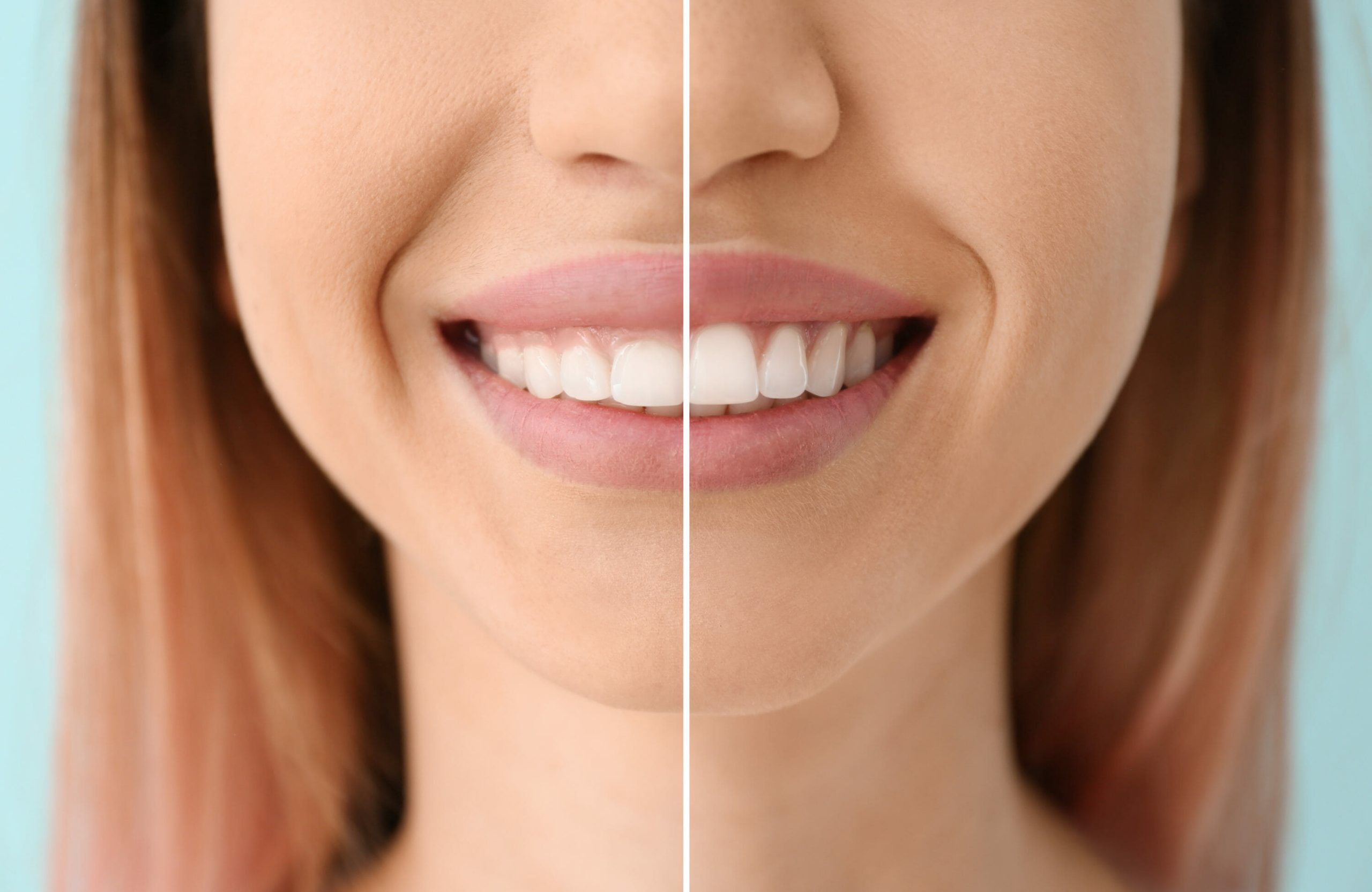
You might be feeling that something is “off” about your smile, but you cannot quite put your finger on it. Your teeth may be straight, they may even be fairly white, yet when you see photos, you notice more gum than you would like, or the edges of your gums look uneven from one tooth to the next. By working with a patient-focused dentist in Salinas, you can explore whether it is your teeth that bother you, or the shape of the gums that frame them.
That thought can be frustrating. You brush, you floss, you try to take care of yourself, yet the mirror still shows a smile that does not match how you feel inside. Because of this tension, you might start searching for answers about gum contouring, “gummy smiles,” or how dentists design the gum line in cosmetic dentistry.
The short summary is this. The way your gums are shaped around your teeth has a powerful effect on how your smile looks. Careful gum line design can make teeth look longer or shorter, more even, and more natural. It can support the work of a family and cosmetic dentist, like whitening or veneers, and it can also protect your long term oral health. When the gums are unhealthy or poorly shaped, even the best dental work will never look quite right.
So where does that leave you if you are unhappy with the look of your gums or unsure what is possible.
Why the shape of your gums can make or break your smile
When people think about a “nice smile,” they usually picture straight, white teeth. Yet the gums are the frame. If the frame is crooked, too thick, or too thin, the picture never looks balanced. That is the heart of gum line design for an attractive smile.
There are a few common situations that cause people to feel self conscious.
First, a “gummy smile.” This is when you see a lot of gum tissue above the upper front teeth when you smile. The teeth themselves might actually be normal in size, but if the gums cover too much of them, the teeth look short or “baby like.”
Second, uneven gum levels. Maybe one front tooth shows more gum than the other. Or several teeth have jagged, irregular gum heights. Even if the teeth are straight, the uneven outline across the top can make the smile look crowded or tilted.
Third, receding gums. If the gums have pulled away, teeth may look too long or “bony.” This can be aging related, caused by gum disease, or by brushing too hard. It can make you feel older than you are, and it can also cause sensitivity or expose root surfaces.
Because of these issues, you might feel torn. You may wonder if you need braces, whitening, veneers, gum surgery, or something else entirely. That confusion alone can be exhausting.
When is it just cosmetic, and when is it a health issue
Here is where the picture becomes more nuanced. Gum line design is not only about beauty. The health of your gums strongly influences how your smile looks and how long your teeth last.
If your gums are puffy, red, or bleed easily, this may be early gum disease. When plaque and bacteria build up along the gum line, they irritate the tissue and create inflammation. Over time, this can damage the bone that holds your teeth, which affects both your appearance and your ability to chew comfortably. You can read more about the signs and stages of gum disease through resources like the American Dental Association’s overview on gum disease and gum health.
So, you might have two overlapping concerns. On one side, the emotional weight of not liking how your smile looks in photos. On the other side, the worry that something serious could be brewing under the surface. That combination can create a lot of stress, especially if you are trying to budget for dental care or prioritize which treatments really matter.
A skilled family and cosmetic dentist will usually start by stabilizing gum health. That can include cleanings, better home care, and sometimes deeper treatments if there is infection. Once your gums are healthy and stable, then cosmetic gum contouring, reshaping, or grafting can be planned in a thoughtful way. Healthy tissue heals better and looks better, which makes the cosmetic result more predictable.
How thoughtful gum line design changes the look of your teeth
So, what does gum line design actually involve. You might hear terms like gum contouring, crown lengthening, or gum grafting. Each of these approaches adjusts the relationship between the tooth and the gum in a different way.
For someone with a gummy smile, a dentist may gently reshape the gum tissue, sometimes along with the bone underneath, so more of the natural tooth is visible. This can instantly make the teeth look longer and more proportional to your lips and face.
For uneven gums, small adjustments to neighboring teeth can create a smoother line from tooth to tooth. That shift alone can make orthodontic work and whitening look more complete. Many people are surprised that the “wow” change they hoped to get from veneers actually comes from careful gum contouring and smile design.
For receding gums, a graft or other rebuilding method may be used to cover exposed roots and create a healthier, more natural looking margin. This can reduce sensitivity and also protect against future wear.
The key point is that teeth and gums are designed together. A good cosmetic plan does not treat them as separate pieces. The gum line should follow the natural curves of the teeth and support the overall look of the smile, not fight against it.
Comparing options for changing your gum line and smile
Because you may be trying to sort through different options, it can help to see how they compare side by side. The table below is a simple guide, not a diagnosis. Your own situation will always need a personal exam.
| TREATMENT OPTION | BEST FOR | HOW IT AFFECTS APPEARANCE | HEALTH CONSIDERATIONS |
| Improved home care only | Mild puffiness or bleeding without major cosmetic concerns | Gums may look less red and swollen. Smile appears cleaner and fresher. | Can reverse early gum inflammation. See guidance on brushing and flossing correctly for support. |
| Professional cleaning and gum therapy | Gum disease, tartar buildup, early bone loss | Swelling decreases, gum margins look tighter and smoother over time. | Protects bone and teeth. Often the first step before any cosmetic work. |
| Cosmetic gum contouring / crown lengthening | Gummy smiles, uneven gum heights, short looking teeth | Teeth appear longer and more even. Smile looks more balanced and mature. | Should be done on healthy gums. May involve small changes to bone for stability. |
| Gum grafting or rebuilding | Receding gums, long looking teeth, exposed roots | Gum line is brought back to a more natural height. Teeth look less “bony.” | Protects roots, reduces sensitivity, and supports long term tooth stability. |
| Combined cosmetic care (veneers, bonding, whitening plus gum design) | Full smile makeover where both teeth and gums need refinement | Transforms color, shape, and gum framing for a coordinated result. | Requires careful planning with a cosmetic dentist to sequence steps correctly. |
Seeing these options next to each other can make it easier to ask focused questions. You can ask which path fits your mouth right now, and which treatments can wait until later.
Three practical steps you can take right now
- Study your smile in a calm, honest way
Stand in front of a mirror with good light. Smile naturally, then a little bigger. Notice how much gum shows above your upper front teeth. Look at whether the gums over the two front teeth are at similar heights, and how the gums around the side teeth line up. This is not about judging yourself. It is about having language to describe what bothers you, so you are not left saying only “I just do not like my smile.”
- Protect and improve gum health at home
Whatever cosmetic work you may or may not choose, healthy gums are the foundation. Brush gently twice a day with a soft brush, aiming the bristles at the gum line, and floss or use interdental cleaners once a day. If your gums bleed, do not stop. Bleeding is often a sign they need more consistent cleaning, not less. Over a week or two, bleeding often reduces if you are thorough and gentle. If it does not, that is an important signal to speak with a dentist.
- Have a conversation with a family and cosmetic dentist
Reach out to a dentist who handles both everyday care and cosmetic planning. Bring photos where you like and dislike your smile. Be specific about whether your main concern is too much gum, uneven gum levels, long looking teeth, or all of the above. Ask which treatments are needed for health, which are optional for appearance, what the timeline would be, and how to phase treatment to match your budget. A good plan for cosmetic gum reshaping and smile improvement should never feel rushed or pressured.
Moving toward a smile that feels like you
If you have been staring at your gums in the mirror, wondering if you are being “too picky,” you are not alone. The way your gum line is designed has a real impact on how your teeth look, how confident you feel, and how long your smile stays healthy. You are allowed to care about that. You are allowed to ask questions and explore options.
With clearer understanding and the guidance of a thoughtful family and cosmetic dentist, you can address both health and appearance in a way that matches your needs and your pace. You do not have to fix everything at once. You just have to take the next informed step toward a smile that finally feels like it belongs to you.