You might be feeling that running your business as a CPA Jersey City has turned into a long series of reactions. A client leaves, so you cut costs. A new competitor appears, so you scramble to match their prices. The economy shifts, so you rewrite your budget in a hurry. On paper the business is still standing, yet it can feel as if you are surviving quarter to quarter, with no clear path to lasting stability.end
At the same time, you probably sense that other companies, often less talented or less passionate than you, somehow manage to stay steady. They grow slowly, they ride out downturns, they make confident decisions. That contrast can be painful. It can make you wonder if you are missing some secret playbook everyone else received.
The truth is less dramatic and more hopeful. Businesses that last usually are not smarter. They are more deliberate. They use strategic planning as the quiet backbone of their decisions. They decide in advance what they stand for, how they will make money, and what they will say yes or no to. Because of that, they bend when the market changes instead of breaking.
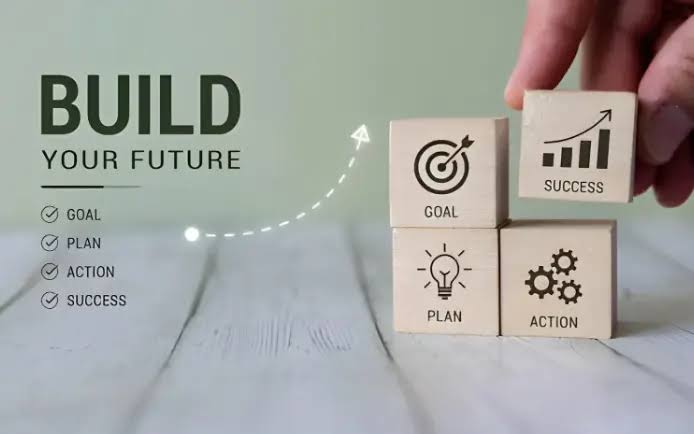
This is the heart of how strategic planning for long term business success works. It gives you a simple, living plan that connects your daily choices to a longer story. It protects your time, your money, and your energy. It does not remove risk, yet it turns blind risk into calculated risk. So if you feel scattered or worn down, you are not failing. You are simply operating without the kind of structure that long lived businesses quietly rely on.
So where does that leave you today. It means you can start to shift from reacting to directing, even if you feel behind, and even if your numbers are not where you want them yet.
Why does business feel so chaotic without a strategic plan?
Think about a typical year without a clear strategy. You begin with a rough revenue goal and a mental list of ideas. You work hard. Then a tax bill arrives that you did not really anticipate. A key employee resigns. A supplier raises prices. Suddenly you are patching holes rather than steering the ship. Every month feels like “just get through this one.”
Emotionally, this wears you down. You might feel guilty that you are not always “on top of the numbers.” You might feel torn between growth and safety. Do you hire that new person, or will that put you in danger if sales dip. Without a strategic framework, every decision feels personal and heavy. It is easy to second guess yourself at 2 a.m.
Financially, the cost is real. Unplanned discounts, rushed hiring, late tax planning, and spur of the moment marketing spend all chip away at profit. The business might be busy, yet the bank balance never seems to reflect how hard you work. The problem is not effort. It is the lack of a clear, written path that you can measure against.
So what does a strategic plan change in practice. It does three important things.
First, it forces you to clarify your business model. Who are your best customers. Which services are actually profitable. For example, in a Business Accounting And Consulting practice, you might discover that advisory retainers generate more stable profit than one off tax projects, even if the tax work feels more exciting.
Second, it sets priorities. Instead of trying ten ideas at once, you choose two that directly support your long term goals. This might mean focusing on recurring service packages and systematic client referrals rather than chasing every new platform or trend.
Third, it puts your numbers into a story. Revenue, profit, cash reserves, and debt are no longer random figures. They become indicators of whether you are moving toward or away from your long term goals. This reduces anxiety because you can see early when something is drifting off course and adjust with calm rather than panic.
If you are unsure how to put that story on paper, the Small Business Administration offers clear guidance on how to write a practical business plan that supports long term thinking.
What happens when strategy and daily operations finally match?
Imagine two similar firms. Both offer business accounting and consulting services. Both have capable owners.
The first firm operates without a clear strategy. Each year, the owner raises prices a little, adds a new software tool, and accepts almost any client who can pay. When the economy slows, the firm reacts by cutting staff and discounting fees. Cash gets tight. The owner works nights and weekends to “make it up.” Burnout creeps in.
The second firm uses a simple strategic plan. The owner has chosen a clear niche, for example owner operated service businesses. The firm focuses on recurring advisory packages, not just year end work. They maintain a target cash reserve of three months of fixed expenses. When the economy slows, they do not panic. They already have a plan for trimming non essential costs and increasing outreach to existing clients who may now need deeper guidance.
After five years, the difference is striking. The first firm has similar top line revenue, but the owner is exhausted and profit is thin. The second firm has steadier revenue, stronger margins, and an owner who can take an actual vacation. The key difference is not talent. It is that one business used business strategy planning as a daily guide, not a one time exercise.
This same pattern shows up across industries. Organizations that commit to clear goals, track performance, and adjust deliberately are more likely to last. The SBA even shares how it uses planning and metrics in its own performance and accountability reports, which can be a useful model for your own review rhythms.
So, how can you bring that level of clarity into your business without adding more stress to an already full plate.
Is DIY planning enough, or do you need professional guidance?
Many owners wonder whether they should build their strategic plan alone or bring in support. There is no single right answer. It depends on your time, comfort with numbers, and the complexity of your business. The comparison below can help you think it through.
| Approach | What it looks like | Pros | Cons | Best for |
|---|---|---|---|---|
| DIY strategic planning | You use online guides and templates to create your own plan and financial projections. | Low direct cost. Full control. Good learning experience. | Easy to overlook blind spots. Numbers may be optimistic. Harder to challenge your own assumptions. | Very small or early stage businesses with simple models and tight budgets. |
| Planning with basic accountant support | You draft the plan. Your accountant reviews key numbers, cash flow, and tax impact. | Better financial accuracy. Helps avoid tax and cash surprises. Still affordable. | May not address deeper strategy like positioning or service mix. Focus can stay on past data. | Established businesses that mainly need stronger financial structure. |
| Strategic planning with Business Accounting And Consulting advisor | You work with a consultant who combines financial analysis with strategic guidance and implementation support. | Sharper strategy. Clear priorities. Realistic financial scenarios. Accountability to follow through. | Higher upfront cost. Requires time and openness to change. | Growing or stressed businesses that want long term stability and are ready to adjust how they operate. |
Whichever path you choose, the goal is the same. You want a living plan that supports business strategy and planning, not a thick document that sits in a folder and quietly gathers dust.
Three practical steps to start building a longer lived business
- Clarify your “enough” numbers
Start with three simple targets. Monthly revenue needed to pay all expenses and pay yourself fairly. Minimum cash reserve you want to hold, for example one to three months of fixed costs. Maximum debt level you are willing to carry. Write these numbers down. Then compare them to your current reality. This alone can shift you from vague worry to clear focus.
- Choose one primary strategic focus for the next 12 months
Instead of chasing every opportunity, pick one main theme that supports business longevity. For many service firms, that focus might be growing recurring revenue, improving profit margins by pruning low value work, or strengthening client retention. Decide what success would look like in simple terms. For example, “40 percent of revenue from recurring advisory packages by year end” is clearer than “grow advisory.”
- Set a simple review rhythm and stick to it
Strategy only drives longevity if you keep it in view. Choose a short monthly review meeting with yourself or your leadership team. Look at revenue, profit, cash, and your one main focus. Ask three questions. What is working that we should protect. What is not working that we should adjust or stop. What one action will we take before the next review. Keep notes. Over time, this rhythm becomes the spine of your planning, and decisions feel less emotional and more grounded.
Moving from survival mode to a calmer, longer horizon
If you are tired of reacting, you are not alone. Many owners reach a point where effort is high, yet progress feels fragile. The path out is rarely a dramatic overhaul. It is usually a series of steady, thoughtful choices built on clear strategic planning.
You deserve a business that does more than survive the next busy season. You deserve one that supports your life, your team, and your clients for years, with fewer shocks and more steady ground. Strategic planning is not a luxury reserved for large corporations. It is a practical tool for any owner who is ready to trade constant firefighting for calmer, more deliberate control.
You can start small. Put your key numbers on paper. Choose a single focus. Commit to a monthly review. If you need guidance, reach out to a trusted Business Accounting And Consulting professional who understands both the story behind your numbers and the strategy that will keep your business standing strong for the long run.