



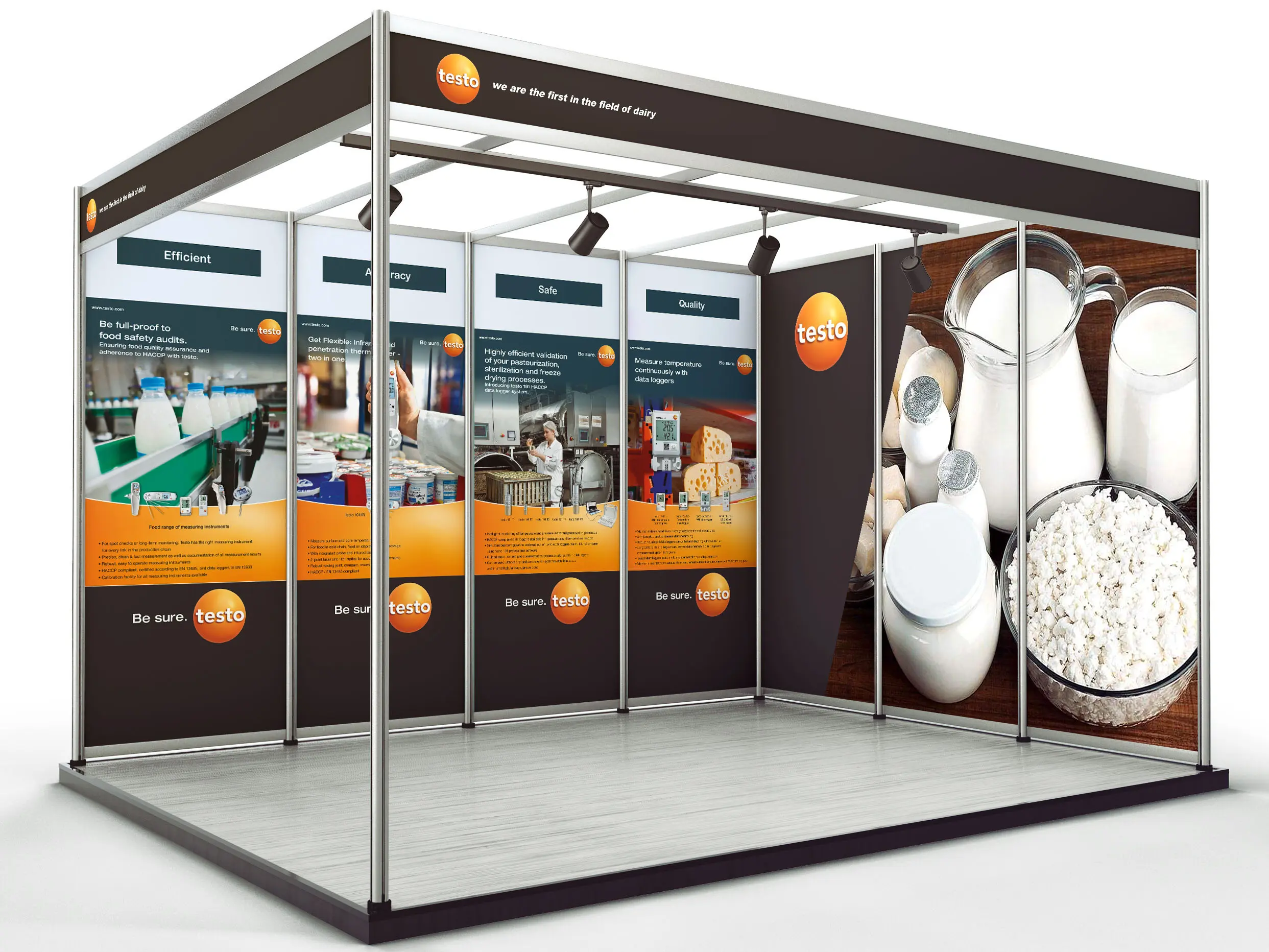
The posters meant for trade shows are attention grabbing displays which are designed using poster printing to capture the interests of attendees. They are useful for demonstrating products, services and delivering corporate message at trade fairs.
To generate posters for trade shows; create an outstanding graphic that captures one’s eye all the time first. Take into consideration poster printing options like; size, paper and finish as well so as to make your own stand out from others.
Choosing the Right Poster Size
Choosing the right poster size is essential for effective poster printing. Larger posters grab attention from afar, while smaller sizes work well up close.
Consider your trade show booth’s space when selecting a size. The right poster size ensures it fits well with your overall display and maximizes visibility.
Design Tips for Trade Show Posters
- By utilizing bold and clear fonts, it becomes easier for those far away to comprehend what is being said.
- To catch the eye, use good quality visuals and illustrations.
- Keep text concise and focus on key points to avoid clutter.
- Important elements should be contrasted in colors.
- The call-to-action should be powerful so that visitors are encouraged to participate.
Selecting the Best Paper Type
Selecting the best paper type is key for a high-quality poster. Glossy paper enhances colors and makes images pop, perfect for grabbing attention. Matte paper offers a more subdued look, which can be ideal for readable text and a professional finish.
Consider the poster’s environment when choosing paper. Glossy paper can reflect light and might be harder to read under bright lights, while matte paper minimizes glare. The right choice will ensure your poster looks great and communicates your message effectively.
Color Choices for Maximum Impact
Color choices are crucial for maximum impact in poster printing. Bright, bold colors can attract attention and make your poster stand out.
Use contrasting colors to highlight important information. This approach helps key details catch the eye and ensures your message is easily read.
The Importance of High-Resolution Images
High-resolution images are essential for a professional-looking poster. They ensure that your visuals are sharp and clear, avoiding any pixelation.
Using high-resolution images helps your poster make a strong impression. Clear images also convey a sense of quality and attention to detail.
Fonts and Readability Tips
Choosing the right fonts is crucial for readability on posters. Use clear, sans-serif fonts for easy reading from a distance. Do not choose elaborate fonts that may be difficult to read.
For better understanding, it is important to keep a strong contrast between font color and that of the background. Keep font sizes large enough to be seen from afar, ensuring your message is clear and accessible.
Printing Options: Digital vs. Offset
On account of its brevity and speedy operational turnaround, digital printing is the best alternative. It offers high flexibility and allows for easy adjustments to your design.
Offset printing is best for large quantities and provides high-quality, consistent results. It may require more setup time but can be more cost-effective for bigger print jobs.
Understanding Poster Finishes
Understanding poster finishes helps you choose the right look for your design. Color saturation is enhanced by shiny surfaces but they may be glare. On the other hand, matte surfaces are smooth, easily readable and non-glare. Each finish offers different benefits depending on your poster’s purpose and display environment.
Cost Considerations for Printing
Cost considerations for printing depend on factors like size, paper type, and quantity. Larger posters and premium paper can increase the overall cost.
Choosing digital printing for small runs or offset printing for large orders can help manage expenses. To get the best value for your needs, you should compare prices and options.
Choosing the Right Printer
For producing quality posters inasmuch, it is important to select a printer with high resolution and color accuracy as required in the design.
Also check the printers abilities with various types and sizes of paper. The correctness of printer selection ensures that posters will be produced exactly as the way you want them.
Conclusion
There are various steps you need to follow in your trade show poster printing. Begin with a compelling design, opt for the right size and paper, and select the right printer so that the outcomes come out great.
With careful consideration of details such as color, resolution, or finishes you can produce amazing posters that grab attention. Good planning means your posters will leave an unforgettable impression during the exhibition.


