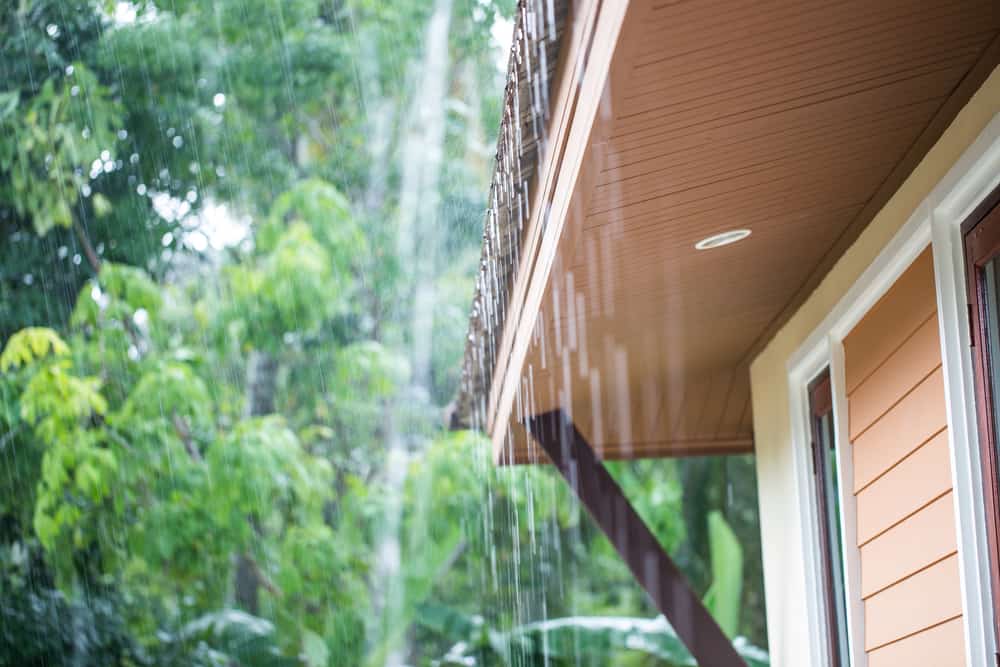
Rainwater can be a persistent threat to the integrity and appearance of your home’s siding. When water is not properly managed, it can seep behind panels, cause rot, promote mold growth, and even lead to costly structural damage. Protecting your siding from rainwater is essential for maintaining your home’s value and curb appeal. By understanding the causes of water damage and implementing effective solutions, you can prevent long-term issues and ensure your siding remains in excellent condition for years to come. Taking proactive steps now can save you significant time and money in the future.
Protecting your siding from water damage
Understanding How Rainwater Damages Siding
Rainwater can cause significant problems for siding if it is not properly diverted away from the home. When water runs down the exterior walls, it can penetrate small cracks or gaps in the siding, leading to moisture buildup behind the panels. Over time, this trapped moisture can cause wood rot, warping, and deterioration of the siding material. Even vinyl and fiber cement siding, which are more resistant to water, can suffer from mold and mildew growth if moisture is allowed to linger. The constant exposure to water can also cause paint to peel and fade, reducing the overall aesthetic appeal of your home. In addition, water that seeps behind the siding can compromise the insulation and lead to higher energy bills. Understanding these risks is the first step in taking action to protect your home from rainwater damage.
The Importance of Proper Drainage
One of the most effective ways to prevent rainwater from damaging your siding is to ensure that your home has a reliable drainage system. Gutters and downspouts play a crucial role in channeling water away from the exterior walls and foundation. Without a proper gutter system, rainwater can cascade directly down the sides of your house, increasing the risk of water infiltration and damage. Homeowners in areas with frequent rainfall, such as Greenville, should consider a professional gutter install greenville to ensure their drainage system is up to the task. Properly installed gutters should be free of clogs and positioned to direct water several feet away from the foundation. Regular maintenance, such as cleaning out leaves and debris, is also essential to keep the system functioning effectively. By investing in a quality drainage solution, you can significantly reduce the risk of siding damage and protect your home’s structural integrity.
Signs Your Siding Is at Risk
It is important to recognize the warning signs that your siding may be vulnerable to rainwater damage. Discoloration, warping, or bubbling on the surface of the siding can indicate that moisture has penetrated the material. You may also notice mold or mildew growth, which often appears as dark spots or streaks along the seams or lower edges of the panels. In some cases, you might detect a musty odor inside your home, which can be a sign that water has seeped behind the siding and is affecting the underlying structure. Peeling paint or caulk around windows and doors is another red flag, as these areas are common entry points for water. If you observe any of these issues, it is important to address them promptly to prevent further damage. Regular inspections, especially after heavy rain, can help you catch problems early and take corrective action before they escalate.
Quick Tips for Immediate Protection
If you notice water pooling near your siding or suspect that rainwater is causing damage, there are a few immediate steps you can take. Check that your gutters and downspouts are clear of debris and functioning properly. Make sure downspouts extend far enough from the foundation to prevent water from seeping back toward the house. Inspect the caulking around windows, doors, and joints, and reapply as needed to seal any gaps. Trim back any vegetation that may be trapping moisture against the siding. These quick actions can help minimize the risk of water damage while you plan for more permanent solutions.
Long-Term Solutions for Siding Protection
While immediate fixes are helpful, long-term solutions are necessary to ensure your siding remains protected from rainwater year after year. Upgrading to high-quality siding materials that are designed to resist moisture can make a significant difference. Fiber cement, engineered wood, and certain types of vinyl siding offer enhanced durability and water resistance compared to traditional wood. Installing a weather-resistant barrier behind the siding can provide an extra layer of protection by preventing water from reaching the underlying structure. Proper flashing around windows, doors, and rooflines is also essential to direct water away from vulnerable areas. Regular maintenance, such as repainting and resealing, will help preserve the integrity of your siding and extend its lifespan. By combining these strategies, you can create a comprehensive defense against rainwater and safeguard your home for the long term.
Conclusion
Protecting your siding from rainwater damage is a crucial part of home maintenance that can prevent costly repairs and preserve your property’s value. By understanding how rainwater affects siding, recognizing the warning signs of damage, and implementing both immediate and long-term solutions, you can keep your home’s exterior in excellent condition. Investing in proper drainage systems, upgrading to durable siding materials, and performing regular inspections will help you stay ahead of potential problems. Taking these proactive steps ensures that your siding remains strong, attractive, and resilient against the challenges posed by rainwater for many years to come.