



Summary:
- One ICSI cycle in India generally costs between ₹1.2 lakh and ₹3 lakh, and the total can be higher depending on the clinic, city and treatment plan.
- ICSI is not a one-process treatment. It is a fertilisation step performed within an IVF cycle, so the quote covers stimulation, monitoring, egg retrieval, laboratory fertilisation, embryo culture and transfer.
- Medicines, embryo freezing and storage, genetic testing and donor treatment are frequently billed separately, which is where most unexpected costs appear.
- ICSI is not required for every IVF patient. NICE guideline NG257 advises against using it for non-male factor fertility problems when semen parameters are normal.
- A higher price does not indicate a better chance of success. Ask for an estimate and manually compare the inclusions.
Introduction
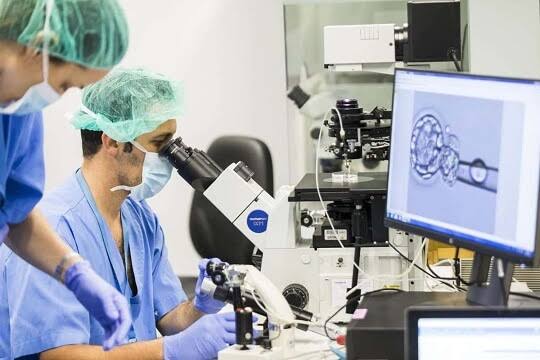
Couples planning fertility treatment usually look up the cost of ICSI treatment well before they book a consultation. Intracytoplasmic sperm injection (ICSI) is a fertilisation technique carried out within an IVF cycle. An embryologist selects a single sperm and injects it directly into a mature egg. In India, the cost of this treatment varies from one clinic to another and depends on the prescribed medicines, the laboratory work involved, the diagnosis, and any additional procedures required. Understanding what a quoted figure actually covers is often more useful than the figure itself.
How Much Does ICSI Treatment Cost in India?
ICSI treatment typically costs ₹1.2 lakh to ₹3 lakh or more per cycle, depending on the clinic, location, medications, laboratory requirements, and additional procedures. Because ICSI is performed as part of a full IVF cycle, the cost covers a sequence of stages rather than a single procedure.
The major stages contributing to the overall cost include fertility assessment, ovarian stimulation, monitoring, egg retrieval, laboratory fertilisation using ICSI, embryo culture and transfer. Medication, embryo freezing and additional testing may be charged separately.
What Is Included in ICSI Treatment Cost?
An ICSI quote does not always include every expense associated with an IVF cycle. Before beginning treatment, patients should understand which services are included and which may attract additional charges.
| Cost component | What it generally covers |
|---|---|
| Consultation | Initial assessment and treatment planning |
| Ovarian stimulation | Medicines used to stimulate the ovaries, where prescribed |
| Monitoring scans | Ultrasounds and other monitoring during stimulation |
| Egg retrieval | Procedure used to collect mature eggs |
| ICSI laboratory procedure | Injection of a selected sperm into a mature egg |
| Embryo culture | Development and monitoring of fertilised eggs in the laboratory |
| Embryo transfer | Transfer of a selected embryo into the uterus |
| Medicines | May be charged separately depending on the treatment plan |
| Cryopreservation | Freezing and storage of embryos, where required, may cost extra |
The exact inclusions vary between clinics and individual treatment plans. Femcare Fertility also notes that fertility treatment costs can change according to diagnosis, medication, laboratory support and personalised treatment requirements.
What Factors Affect ICSI Treatment Cost?
Medication is usually the first factor. The dosage and duration of ovarian stimulation depend on how a patient responds, so two people on similar protocols can end up with different medicine bills.
The second factor is the laboratory component. ICSI is a micromanipulation procedure that requires more embryologist time, more equipment, and more technical skill than conventional insemination, in which eggs and sperm are placed together and left to fertilise. The American Society for Reproductive Medicine addresses this additional cost burden in its committee opinion on ICSI for non-male-factor indications.
Other factors can include:
- The number of treatment cycles required
- Sperm-related procedures, including surgical sperm retrieval when indicated
- Embryo culture and cryopreservation
- Additional diagnostic investigations
- Genetic testing when clinically recommended
- Donor sperm or donor egg treatment, where required
- Clinic location and laboratory infrastructure
This is why two patients undergoing ICSI may receive different treatment estimates even when the basic procedure is similar.
Is ICSI More Expensive Than IVF?
ICSI and IVF are closely related but are not exactly the same procedure.
IVF is the broader treatment process in which eggs are retrieved and fertilised in a laboratory. ICSI is a specialised fertilisation technique that can be used within an IVF cycle, where an embryologist injects a single sperm directly into a mature egg.
Because ICSI involves an additional laboratory procedure, it can increase the cost of an IVF cycle. However, ICSI is not automatically required for every IVF patient.
The latest NICE fertility guideline recommends considering ICSI when there are abnormal semen parameters or when a previous IVF cycle resulted in failed or very low fertilisation. It specifically advises against routine ICSI for non-male-factor infertility when semen parameters are normal.
Therefore, the appropriate treatment should be based on the individual’s fertility assessment rather than choosing a procedure simply because it is more specialised.
Who May Need ICSI Treatment?
ICSI may be considered when there is a significant male-factor fertility issue, particularly when semen parameters are abnormal. It may also be considered when previous IVF treatment resulted in failed or very low fertilisation.
The current NICE guidance recommends ICSI in cases involving surgically retrieved sperm or frozen-thawed eggs and recommends considering it for certain male-factor cases and previous fertilisation problems.
ICSI can therefore be relevant in situations such as:
- Severe male-factor infertility
- Significantly abnormal sperm count or motility
- Previous failed or very low fertilisation with IVF
- Use of surgically retrieved sperm
- Fertilisation of previously frozen eggs in selected circumstances
At the same time, ICSI is not automatically necessary for every IVF patient. The 2026 ASRM committee opinion states that routine ICSI without male-factor infertility or previous fertilisation failure does not improve live birth outcomes.
How Can You Compare ICSI Treatment Costs Between Fertility Clinics?
The lowest advertised price is not necessarily the most useful number to compare. A better approach is to ask what the quoted amount actually includes.
Questions worth asking before the treatment starts are:
- What exactly does the quoted ICSI cost cover?
- Are fertility medicines included, or billed separately?
- Does the quote include embryo freezing, and what does storage cost per year afterwards?
- Which additional procedures could increase the total, and by approximately how much?
- What is the estimated total for my individual treatment plan?
Requesting the estimate in writing is advisable. A written cost estimate makes it easier to identify the services that will be billed separately at a later stage.
Does a Higher ICSI Cost Mean a Higher Chance of Success?
Not necessarily. A higher treatment cost does not by itself indicate a higher chance of pregnancy or live birth.
IVF and ICSI outcomes can be influenced by several factors, including age, egg quality, sperm factors, embryo development, the underlying cause of infertility and individual treatment circumstances. The quality and expertise of the embryology laboratory also form an important part of assisted reproductive treatment.
The decision to use ICSI should therefore be based on clinical need and an individual’s fertility assessment, rather than cost or the assumption that a more expensive procedure will always produce a better outcome. Current ASRM guidance similarly cautions against routine ICSI when there is no clear indication.
Frequently Asked Questions
How much does one ICSI cycle cost in India?
ICSI treatment cost in India can range from about ₹1.2 lakh to ₹3 lakh or more, depending on medicines, clinic location, laboratory procedures, diagnosis and additional treatment requirements.
Is ICSI included in IVF treatment cost?
ICSI is a specialised fertilisation procedure performed within an IVF cycle, but it may be charged separately from the standard IVF package. Patients should confirm the inclusions with their fertility clinic before treatment.
Is ICSI better than IVF for male infertility?
ICSI may be recommended where semen parameters are significantly abnormal, which is the situation the technique was designed for. Whether it is appropriate depends on the individual fertility assessment and clinical circumstances.
What additional costs should I ask about before starting ICSI?
Ask whether the quote includes medicines, monitoring scans, embryo freezing and storage, genetic testing, donor treatment and other laboratory procedures. A written cost estimate provides greater clarity before treatment starts.


