

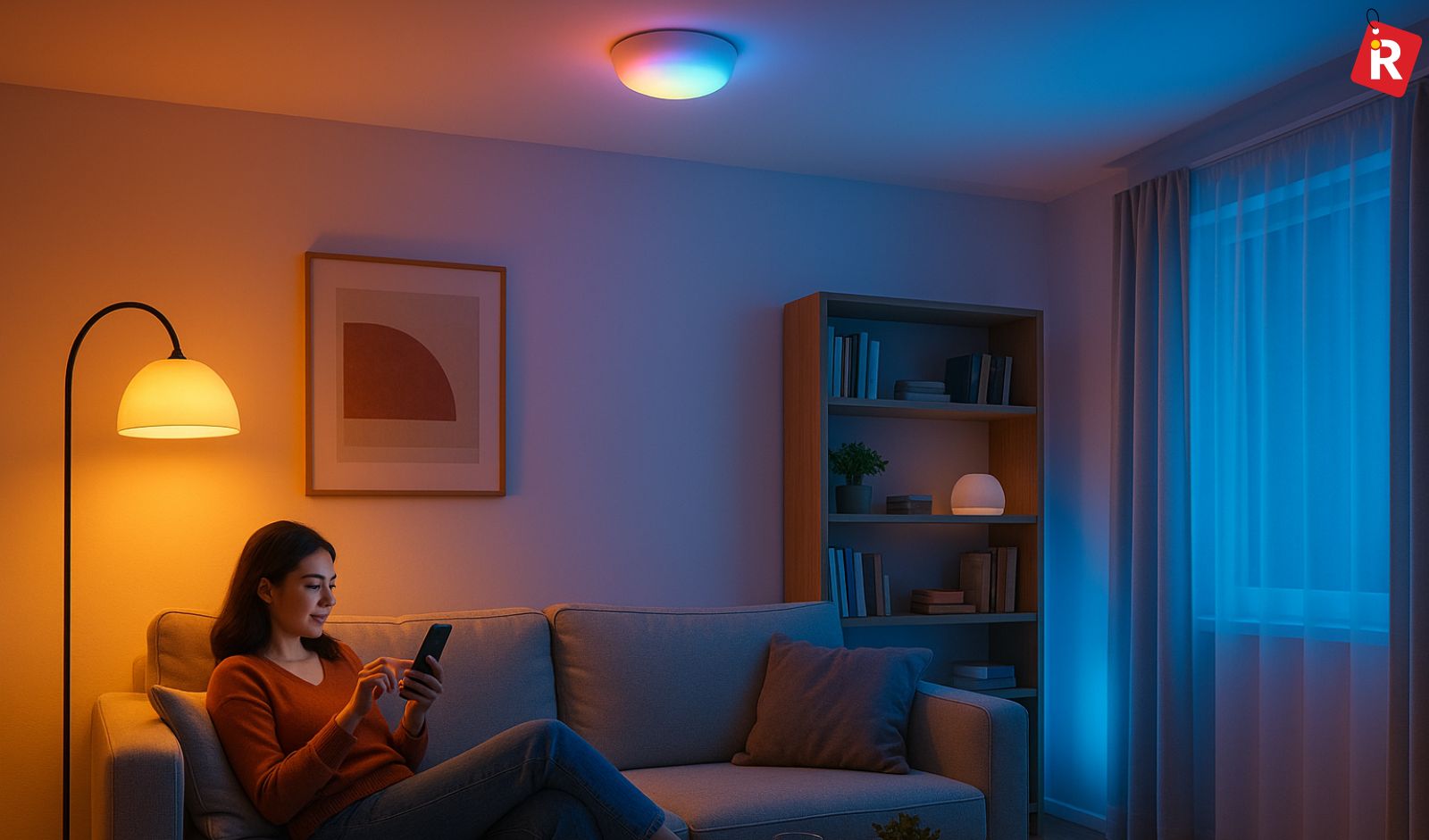
The concept of smart homes has been gaining traction across the globe, and a significant component of this trend is smart lighting. In Australia, the smart lighting industry has been evolving rapidly, introducing innovative solutions to both enhance visual appeal and provide practical benefits to households and businesses alike. But what precisely does the smart lighting revolution entail, and how are smart lights in Australia shaping the future of home illumination?
The Advantages of Smart Lighting
Smart lighting extends far beyond the simple ability to switch lights on and off remotely. It encapsulates a realm where convenience, energy efficiency, and personalisation mingle to create an entirely new experience. Users can adjust the brightness, colour temperature, and even the hue of the lights to fit their mood or the desired ambiance. This level of control is not just a matter of comfort; it can also contribute to energy savings by allowing lights to be on only when needed and at the right intensity.
Furthermore, the integration of lighting systems with other smart home devices and platforms exemplifies the interconnected nature of modern technology. With this integration, lighting can respond to other stimuli, such as activating when a security camera detects movement or dimming when a smart thermostat senses an increase in room temperature.
Impact on Lifestyle and Well-being
One cannot overlook the impact of smart lighting on the well-being of individuals. The correct lighting can improve one’s mood, aid in better sleep patterns by mimicking natural light cycles, and even boost productivity. Smart lights in Australia also offer the potential to interact with voice assistants and mobile applications, making it easier for individuals with mobility issues or disabilities to control their environment.
Synchronising light with daily routines provides an added layer of convenience. For instance, waking up to gradually increasing brightness offers a gentler start to the day compared to the abruptness of a traditional alarm. As the evening winds down, lights can automatically dim, signalling to the body that it’s time to prepare for rest.
Growth of Smart Lighting in Australia
The adoption of smart lighting in Australia has seen a considerable increase as the cost of technology continues to become more accessible. Australian homeowners are finding that modernising their lighting systems adds value to their properties by increasing functionality and convenience. As concerns about energy consumption and environmental impact deepen, sustainable solutions like smart lighting are becoming not merely desirable but essential.
Furthermore, Australian businesses are recognising the importance of smart lighting in creating adaptable work environments. The ability to customise lighting based on the task at hand or the time of day can enhance employee experience and, by extension, productivity.
Smart Lights as Decorative Elements
Beyond practicality, smart lights are fast becoming decorative elements within homes and commercial spaces. With the capability to adjust colours and intensity, smart lighting can transform the ambiance of a room with a simple command. This flexibility allows individuals to curate their space to reflect their personality or brand identity without having to invest in multiple lighting fixtures.
The integration of LED technology in smart lighting also opens up new possibilities for unique lighting designs, as LEDs can be fitted in various fixtures and locations that traditional bulbs cannot. This means that lighting can be both a source of illumination and a statement piece in interior design.
Australian Market Trends
In Australia, the penetration of smart home devices is on the rise, and lighting is one of the primary segments. The market is fragmenting into different niches, from affordable solutions aimed at the broader population to luxury, high-end systems designed for customised experiences. Notably, Australian consumers are showing a preference for homegrown brands that offer local support and product adaptability to Australian standards and lifestyles.
Technology advancements are encouraging manufacturers to offer a more diverse range of smart lighting products, with something to cater to every need and preference. As connectivity standards converge, Australian users will benefit from a more seamless integration of smart lighting into their smart home ecosystems.
Considerations for Australian Consumers
For those looking to join the smart lighting revolution, there are considerations unique to the Australian market. As with any emerging technology, consumers must navigate issues such as compatibility with existing fixtures and devices, the reliability of internet connectivity, and the longevity and security of the devices.
Furthermore, whilst the initial investment in smart lighting can be higher than traditional lighting solutions, the long-term savings on energy costs and the longevity of LED bulbs often counterbalance the upfront expense. Education on the economic and environmental benefits of smart lighting is essential for further adoption across Australia.
Final Thoughts
The luminous revolution taking place in the realm of smart lighting is reshaping the way Australians think about their living and working spaces. With the myriad of benefits offered by smart lighting solutions, from operational convenience to energy conservation, consumers are embracing this technology enthusiastically. It serves as a shining example of how innovation can merge aesthetics, functionality, and sustainability into a single, transformative experience.
In an era where control and customisation become increasingly significant to consumers, smart lights in Australia represent the future of home illumination. As this sector continues to grow, Australian homes and businesses are set to bask in the glow of smart technology, reaping the rewards of both enhanced living environments and streamlined energy use.
