



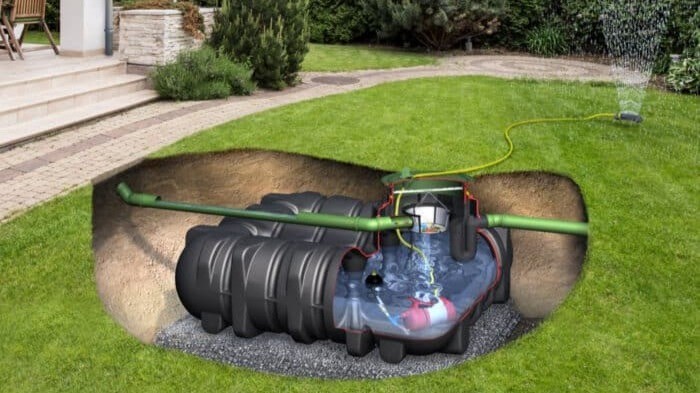
Water conservation has become a critical issue across the globe. As populations grow and climates change, the need for sustainable water management practices becomes more pressing. Innovative solutions are required to ensure the efficient use and preservation of this precious resource. One such solution that has garnered attention is the implementation of underground water tanks. These storage systems will play a pivotal role in revolutionising water conservation efforts worldwide.
Understanding Underground Water Tanks
Underground water tanks are engineered structures designed to harvest and store rainwater, as well as manage stormwater. These subterranean tanks can range in size and are often made from robust materials to withstand underground pressures, including concrete, polyethylene, and fibreglass. Due to their underground placement, these tanks are unobtrusive, making them suitable for urban areas where space is at a premium.
The Benefits of Underground Water Tanks
The advantages of using an underground water tank are extensive. By storing water beneath the surface, these tanks help to reduce evaporation – a significant loss factor in above-ground storage methods. Additionally, underground tanks can help to control flooding by temporarily holding stormwater, thus mitigating the impact on sewers and waterways.
Another benefit of such systems is the positive effect on water conservation. By collecting rainwater, households and businesses reduce their reliance on municipal supplies, which is particularly important during droughts or in water-stressed regions. Furthermore, the stored water can be used for non-potable purposes like irrigation, flushing toilets, and washing vehicles, thus conserving potable water for essential uses.
The Role of Underground Tanks in Sustainable Urban Development
As the push for sustainable urban development intensifies, the role of underground water tanks becomes increasingly significant. These tanks are integral components of green building designs, contributing to the conservation of water and the reduction of stormwater runoff – a key factor in urban flooding and water pollution.
Moreover, underground water conservation systems support the replenishment of groundwater. By slowly releasing stored water into the surrounding soil, these tanks can help to maintain local aquifers, ensuring a sustainable supply of water for the future.
Technological Advancements in Underground Water Tank Design
Technological advancements in the design and manufacture of underground water tanks have improved their efficiency, durability, and ease of installation. Modern tanks come equipped with filtration systems that clean rainwater before it enters the tank, ensuring better quality water for non-potable use.
In addition to technical improvements, some tanks are now modular, allowing for custom configurations that fit the specific water conservation needs of the user. These modular systems can be expanded over time, providing a scalable solution that grows with demand.
Installation and Maintenance Considerations
While the benefits of underground water tanks are numerous, proper installation and maintenance are crucial to their success. These tanks must be correctly positioned to avoid areas prone to high groundwater levels or potential contamination. Professional installation is often recommended to ensure that the tank is adequately supported and that all connections are secure.
Maintenance, although generally minimal, is important for the longevity and performance of the tank. Regular inspections can help identify potential issues early, such as leaks or blockages, preventing more significant problems down the line.
The Cost-Effectiveness of Underground Systems
One of the questions often posed regarding underground water tanks concerns their cost-effectiveness. While the initial investment may be higher than surface-level solutions, the long-term savings are significant. The reduced need for treated water from municipal sources results in lower water bills, and the protection against property damage from flooding can save thousands.
Additionally, many regions offer incentives for rainwater harvesting and stormwater management, including tax credits and rebates, which help to offset the initial costs of installation.
The Future of Water Conservation
The future of water conservation will undoubtedly be shaped by innovative approaches like the use of underground water tanks. As cities become smarter and more ecologically aware, the integration of such systems into new developments and existing infrastructures will likely become standard practice.
Environmental regulations and water scarcity challenges will continue to drive innovation, pushing the boundaries of what is possible in water conservation technology. In a world where sustainable management of resources is not just preferred but necessary, investing in underground water storage is a step towards a more resilient and water-secure future.
Conclusion
In the fight against water scarcity and the pursuit of sustainable urban living, underground water tanks present a compelling solution. Their ability to conserve water, reduce surface runoff, and blend seamlessly into the urban fabric marks them as a key component in the architecture of a sustainable world. With careful management, these innovative systems have the potential to revolutionise water conservation efforts, ensuring that we meet the needs of the present without compromising the ability of future generations to meet their own.


