


Keeping Colorado Cozy: Choosing the Right Heating System for Your Home
As the crisp autumn air descends upon Colorado, homeowners across the state turn their attention to keeping their homes warm and comfortable throughout the winter months. Regular heating maintenance is crucial for optimal performance and efficiency, but sometimes, an upgrade to your existing heating system might be necessary. Whether you’re building a new home or considering replacing an aging system, navigating the various heating options available can be overwhelming. This guide delves into the most common heating systems in Colorado, helping you make an informed decision for your specific needs and climate.
A Big Key to Convenience
Colorado’s stunning scenery comes with a chilly price tag during winter. To ensure a truly comfortable stay, a reliable and efficient heating system is paramount. Not only will it keep you warm and toasty during the coldest nights, but it can also eliminate drafts and create an even heat distribution throughout your home. This eliminates the need for bulky sweaters indoors and allows you to fully relax and enjoy the beauty of Colorado without worrying about the bite of winter.
Fuel Efficiency and Sustainability
Colorado residents are increasingly prioritizing energy efficiency and sustainability in their homes. Natural gas furnaces remain a popular choice due to their affordability and readily available fuel source. However, advancements in technology have made alternative heating systems, such as geothermal heat pumps, a more attractive option. Geothermal systems utilize the constant temperature of the earth to provide both heating and cooling, offering exceptional efficiency and a significantly reduced carbon footprint.
Beyond fuel type, several factors influence the ideal heating system for your home:
Climate: Colorado experiences a wide range of climatic conditions across different regions. While some areas require powerful heating systems to combat frigid temperatures, others might benefit from a more balanced heating and cooling solution.
Home Size and Insulation: The size and insulation level of your home significantly impact heating efficiency. A larger, poorly insulated house will require a more robust heating system compared to a smaller, well-insulated dwelling.
Budget: Heating system installation costs vary depending on the chosen system, fuel type, and required modifications to your existing infrastructure. Factor in potential long-term savings on energy bills when considering the initial investment.
Exploring Your Heating Options
Here’s an overview of some of the most common heating systems in Colorado:
Natural Gas Furnaces: These remain a reliable and cost-effective solution for many Colorado homes. Modern gas furnaces offer improved efficiency compared to older models.
Electric Furnaces: While typically less efficient than gas furnaces, electric furnaces can be a viable option in areas with readily available and affordable electricity.
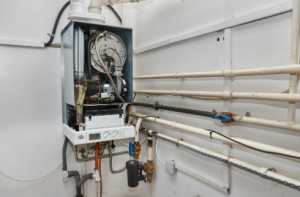
Boilers: These systems distribute hot water through radiators or radiant floor heating for a comfortable and even heat distribution. They can be fueled by natural gas, oil, or propane.
Geothermal Heat Pumps: As mentioned earlier, geothermal systems tap into the Earth’s constant temperature for highly efficient heating and cooling.
Radiant Floor Heating: For homeowners seeking an alternative to traditional forced-air heating systems, radiant floor heating offers a unique and luxurious option. This system utilizes embedded radiant panels or hydronic tubing installed beneath your floor coverings. Warm water or electricity is circulated through the panels, radiating heat upwards and warming your home from the floor.
Beyond Installation: Heating Maintenance and Repair
Regardless of the heating system you choose, regular maintenance is essential for optimal performance, fuel efficiency, and longevity. Professional heating services can include annual tune-ups, cleaning of components, and identification of any potential issues before they escalate into major repairs or replacements. A well-maintained heating system will operate more efficiently, saving you money on energy bills and preventing unnecessary disruptions during the cold winter months.
Finding the Right Fit
Choosing the perfect heating system for your Colorado home requires careful consideration of your specific needs and circumstances. Consulting a qualified HVAC professional can provide invaluable guidance. They can assess your home’s size, insulation, and climate, recommend the most suitable heating system options, and ensure proper installation. By making an informed decision and prioritizing regular heating maintenance, you can have a warm, comfortable, and energy-efficient winter for your Colorado home.
