



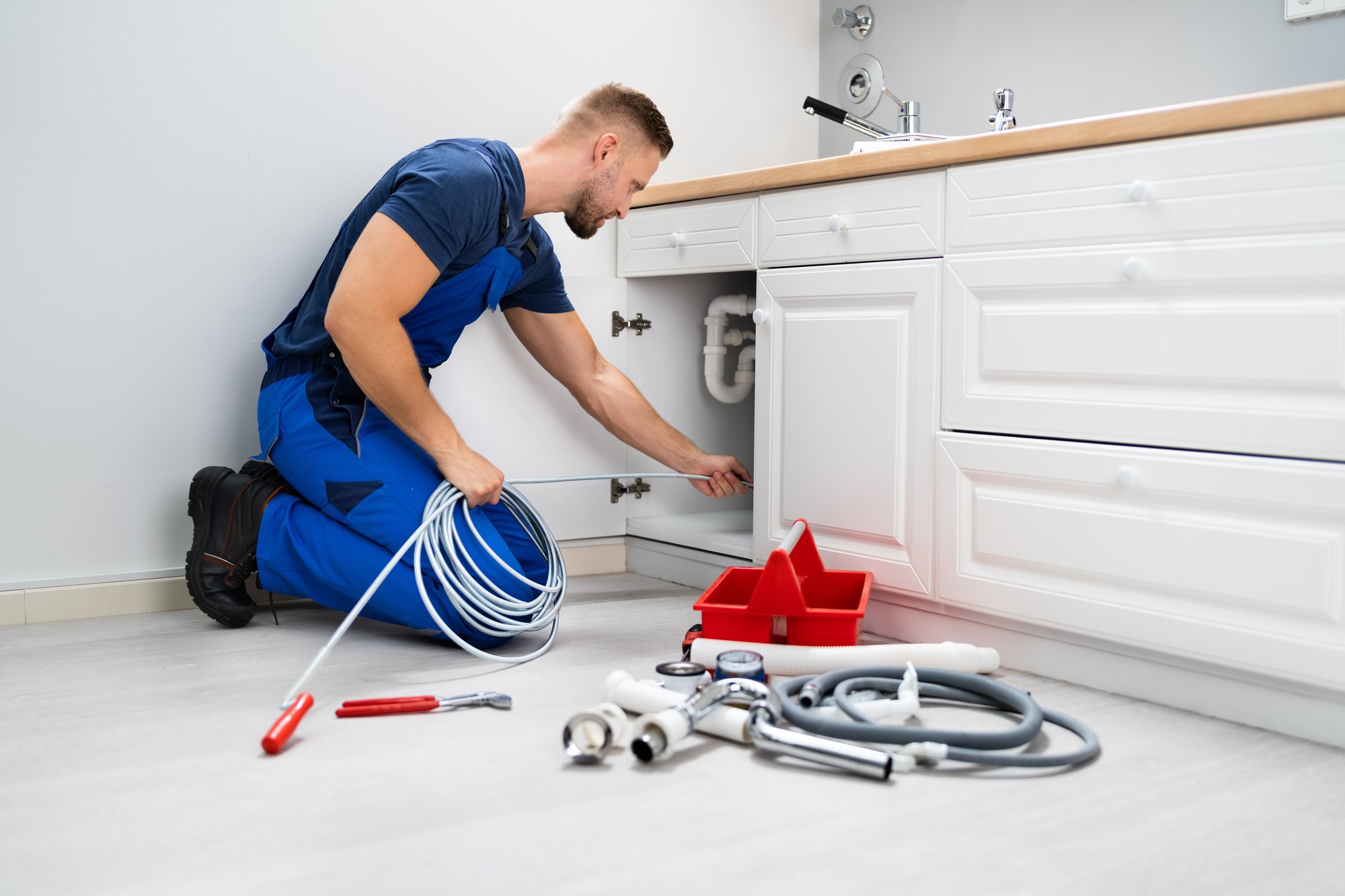
In the realm of maintaining a healthy plumbing system, one cannot overemphasize the significance of proper drainage and sewer maintenance. For residents of Lexington, ensuring the functionality of these systems is paramount for uninterrupted daily life. Plumbers Lexington from Hubbard Mechanical are well aware of the pivotal role drainage and sewer systems play in upholding sanitation and preventing potential disasters.
The Role of Drainage and Sewer Systems
1. Waste Removal
Drainage and sewer systems not only remove wastewater but also dispose of solid waste, including human waste and debris from sinks, showers, and toilets. This process ensures that harmful pathogens and contaminants are safely transported away, reducing the risk of waterborne diseases and maintaining a clean environment for inhabitants. Elevating Your Strongsville Plumbing Needs with Unwavering Service Excellence.
2. Preventing Flooding
These systems utilize gravity or pumps to efficiently channel excess water, such as from heavy rainfall or sudden influxes from household usage, away from properties. Properly designed and maintained drainage and sewer systems prevent water from pooling around structures, minimizing the risk of structural damage, mold growth, and costly repairs associated with flooding incidents.
3. Maintaining Hygiene
By preventing stagnant water accumulation, drainage, and sewer systems mitigate the proliferation of disease-carrying insects like mosquitoes and the growth of harmful bacteria. Additionally, they ensure that wastewater is promptly removed from living spaces, reducing foul odors and the risk of exposure to hazardous substances, thus upholding hygiene standards and promoting a healthy living environment.
4. Managing Groundwater Levels
In addition to removing wastewater and preventing flooding, drainage and sewer systems play a crucial role in managing groundwater levels. These systems help to control the movement of groundwater, preventing it from seeping into basements, crawl spaces, or other below-ground structures. By maintaining proper drainage, homeowners can avoid issues such as foundation damage, dampness, and mold growth, ensuring the structural integrity and longevity of their properties.
Common Issues Affecting Drainage and Sewer Lines
1. Tree Root Intrusion
Tree roots possess a remarkable ability to seek out moisture and nutrients, making sewer lines an attractive target. As roots penetrate the pipes, they can cause blockages and even structural damage, resulting in costly repairs. Moreover, the pressure exerted by expanding roots can lead to pipe fractures, exacerbating the problem. Regular inspections and proactive measures such as root barriers can help mitigate this issue.
2. Grease Buildup
When cooking oils and fats are poured down drains, they solidify and adhere to the inner walls of sewer pipes, gradually forming thick layers of grease. This buildup restricts the flow of wastewater, leading to slow drains and eventual blockages. Additionally, grease accumulation can attract other debris, compounding the problem. Proper disposal methods, such as cooling grease and disposing of it in the trash, are essential in preventing this issue.
3. Pipe Corrosion
Pipe corrosion is often a result of prolonged exposure to acidic substances, chemical reactions, or simply the natural aging process. Corroded pipes are prone to developing leaks, cracks, and weakened structural integrity. In severe cases, corrosion can lead to catastrophic failures, necessitating extensive repairs or replacements. Regular inspections, proper maintenance, and avoiding corrosive materials can help prolong the lifespan of sewer lines and mitigate the risk of corrosion-related issues.
Preventative Maintenance Tips
1. Regular Inspections
Ensure to schedule comprehensive inspections by licensed plumbers in Lexington from Hubbard Mechanical at least once a year. These inspections involve a thorough examination of sewer lines and drainage systems using advanced tools like video cameras to detect potential issues such as cracks, leaks, or tree root intrusion. Early detection allows for prompt repairs or preventative measures, ultimately saving homeowners from expensive repairs and extensive property damage.
2. Drain Cleaning
Establish a regular maintenance schedule for drain cleaning, typically every six months to a year depending on usage. This involves professional cleaning methods like hydro-jetting to remove accumulated debris, grease, and mineral deposits from sewer lines. By keeping drains clear and free-flowing, homeowners can prevent blockages, backups, and foul odors, ensuring the smooth operation of their plumbing systems.
3. Proper Waste Disposal
Educate household members about the importance of responsible waste disposal practices. Emphasize the proper disposal of grease by cooling it in a container and disposing of it in the trash rather than pouring it down the drain. Additionally, encourage the use of environmentally friendly and biodegradable cleaning products to minimize the risk of chemical damage to sewer lines. By instilling these habits, homeowners can reduce the likelihood of clogs and extend the lifespan of their sewer systems.
Conclusion
The vitality of proper drainage and sewer maintenance cannot be overstated, especially for residents relying on well-functioning plumbing systems in Lexington. By addressing common issues such as tree root intrusion, grease buildup, and pipe corrosion through preventative measures and regular maintenance, homeowners can safeguard their properties and ensure the longevity of their plumbing infrastructure. Remember, when in doubt or facing issues beyond DIY solutions, always consult professional plumbers in Lexington from Hubbard Mechanical to maintain the integrity of your drainage and sewer systems.


