



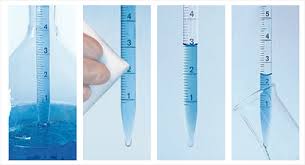
In the intricate world of scientific research, precision reigns supreme. A single misplaced drop can derail an experiment, throwing weeks of meticulous work into disarray. This is where the humble pipette steps in, acting as the faithful steward of accurate liquid transfer. But within the realm of pipettes, two contenders vie for dominance: the classic glass pipette and the innovative Rainin pipette.
Today, we delve into the science showdown, dissecting the strengths and weaknesses of each to determine the champion of controlled volume.
The Timeless Hero: The Glass Pipette
For centuries, glass pipettes have been the workhorse of laboratories. These simple, yet elegant tools are crafted from meticulously drawn glass tubes, tapered to a fine point. The unassuming design belies a surprising level of versatility. Glass pipettes come in various sizes, calibrated to measure specific volumes. To use one, a scientist draws liquid up into the pipette by creating a vacuum with their mouth (employing a rubber bulb for safety these days) and carefully dispenses it by carefully releasing pressure.
Strengths of the Glass Pipette:
- Simplicity: Glass pipettes are the epitome of user-friendly. They require minimal training and can be readily used by anyone with a basic understanding of their function.
- Cost-Effectiveness: Compared to their electronic counterparts, glass pipettes are incredibly affordable. This makes them a budget-friendly option for labs with limited resources.
- Sterilization: Glass pipettes can be easily sterilized by heat or chemical treatment, crucial for maintaining a sterile environment, particularly in microbiology labs.
- Heat Resistance: Glass can withstand high temperatures, making it suitable for working with hot solutions.
Weaknesses of the Glass Pipette:
- Accuracy: Mastering the art of drawing up precise volumes with a glass pipette requires practice and dexterity. Even with honed skills, slight variations in technique can lead to inconsistencies.
- Repetitiveness: Performing repetitive pipetting tasks with a glass pipette can be time-consuming and physically tiring, especially for large volumes.
- Safety: The traditional method of drawing liquid with the mouth poses a risk of accidental ingestion, particularly when working with hazardous chemicals.
- Breakage: Glass pipettes are, well, glass. They are prone to breakage, leading to potential injuries and wasted materials.
The Technological Marvel: The Rainin Pipette
Rainin pipettes represent a quantum leap in liquid handling technology. These electronic marvels are essentially motorized syringes with digital displays. They offer a range of features designed to enhance accuracy, precision, and ergonomics.
Strengths of the Rainin Pipette:
- Accuracy: Rainin pipettes boast exceptional accuracy, surpassing the capabilities of even the most skilled glass pipette user. Electronic controls ensure consistent and precise volume dispensing, minimizing errors.
- Ergonomics: Rainin pipettes are designed for comfort, featuring lightweight, ergonomic handles that reduce hand fatigue during extended use. This is particularly beneficial for researchers performing repetitive pipetting tasks.
- Repeatability: Rainin pipettes excel at repetitive liquid handling. With just a few button presses, researchers can dispense precise volumes with incredible consistency, saving time and minimizing errors.
- Safety: Rainin pipettes eliminate the need for mouth-based aspiration, significantly reducing the risk of accidental ingestion of hazardous materials.
- Data Tracking: Some advanced Rainin pipettes offer data tracking capabilities, allowing researchers to record and monitor dispensed volumes, ensuring traceability and quality control.
Weaknesses of the Rainin Pipette:
- Cost: Rainin pipettes are significantly more expensive than glass pipettes. This initial investment can be a hurdle for labs with limited budgets.
- Complexity: While user-friendly, Rainin pipettes require a basic understanding of their operation and proper calibration to maintain accuracy.
- Limited Sterilization Options: While Rainin pipettes can be cleaned, some sterilization methods (like autoclaving) may damage their delicate electronics.
The Verdict: A Champion for Every Cause
So, which pipette reigns supreme? The truth is, there’s no one-size-fits-all answer. Both glass and Rainin pipettes have their strengths and weaknesses, making them ideal for different situations.
For Labs on a Budget, or Occasional Use:
- Glass pipettes are the clear winner. Their simplicity, affordability, and ease of sterilization make them a perfect choice for low-volume, infrequent use or in resource-constrained settings.
For High-Throughput Labs, or Repetitive Tasks:
- Rainin pipettes are the undisputed champions. Their speed, accuracy, and ergonomic design make them invaluable tools for labs performing repetitive pipetting tasks or requiring high levels of precision.
The Power of Planning:
Before doing an experiment, consider the volume requirements and the overall workflow.
- For small volumes (less than 100 microliters) or short-term, low-throughput experiments: Glass pipettes can be a perfectly viable option. Their affordability and ease of use make them ideal for quick tasks.
- For larger volumes (above 100 microliters) or repetitive pipetting: This is where Rainin pipettes shine. Their speed and accuracy ensure consistent results, saving time and minimizing errors, especially crucial for high-throughput workflows.
The Final Takeaway: A Harmonious Duo
In conclusion, both glass and Rainin pipettes are valuable tools in the scientific field. By understanding their strengths and weaknesses, and employing them strategically, researchers can ensure efficient, accurate, and safe liquid handling, paving the way for groundbreaking discoveries.


