



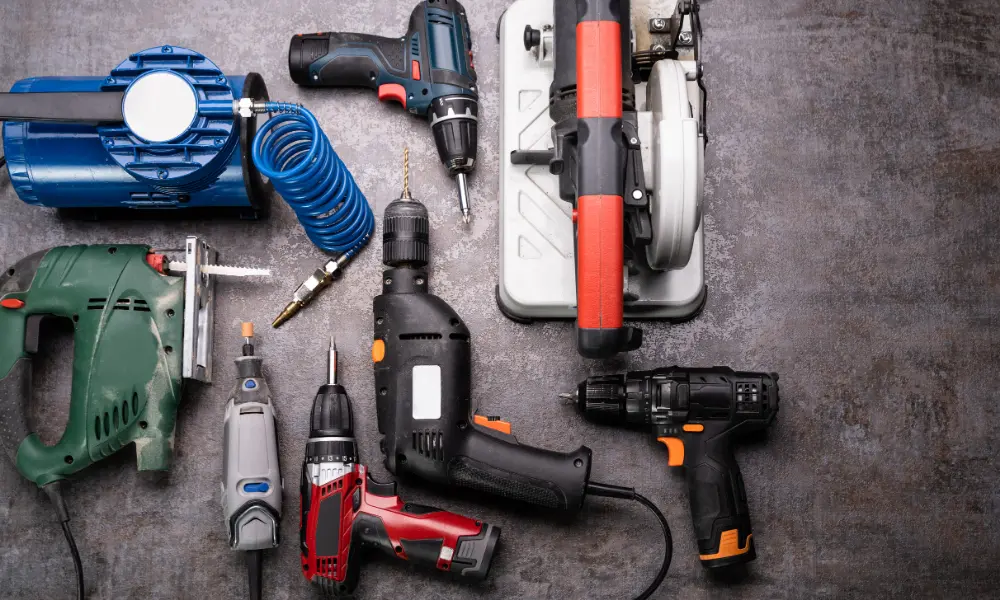
There is a specific kind of satisfaction that comes from stepping back and looking at a finished home improvement project. Whether it’s a custom-built bookshelf, a newly decked patio, or a simple bathroom refresh, the “I did that” feeling is unmatched. However, as any seasoned contractor will tell you, the difference between a professional-grade finish and a weekend headache often comes down to the equipment in your garage.
When you start building your collection, it is easy to get overwhelmed by the sheer volume of options available. Investing in high-quality power tools is the most effective way to ensure your projects are completed safely, accurately, and with much less physical strain. Having the right tool for the job doesn’t just save time; it elevates the quality of your craftsmanship from “amateur” to “artisan.”
In this guide, we’ll break down the essential gear every homeowner should own, how to choose between competing technologies, and the best practices for maintaining your kit for years to come.
The Foundation: Why Quality Tools Matter for DIYers
Many beginners make the mistake of buying the cheapest tool available, thinking they’ll upgrade later if they “get serious.” In reality, cheap tools often lead to frustration. They vibrate excessively, lack precision, and can even be dangerous if the motors stall under pressure.
Choosing professional-grade equipment means you are investing in better ergonomics, longer battery life, and consistent torque. When your equipment works with you rather than against you, you’re more likely to take on ambitious renovations and see them through to completion.
The Core Essentials: Must-Have Power Tools for Every Home
If you are starting from scratch, you don’t need an entire workshop. You need a versatile core. Here are the non-negotiables for any home renovation enthusiast.
1. The Cordless Drill and Impact Driver Combo
This is the “bread and butter” of the DIY world. While a standard drill is great for boring holes, an impact driver uses a percussive mechanism to drive long screws into dense wood without stripping the heads. Modern brushless motors have made these tools lighter and more powerful than ever.
2. The Circular Saw
For breaking down sheets of plywood or cutting 2x4s for a framing project, the circular saw is indispensable. It offers portability that a table saw can’t match, especially when you’re working in tight quarters or outside.
3. The Orbital Sander
Nothing ruins a project faster than a poor finish. An orbital sander moves in a random pattern to prevent swirl marks, leaving your wood surfaces buttery smooth and ready for stain or paint.
4. The Reciprocating Saw (The “Demo” King)
If your renovation involves tearing things down like old deck boards or interior studs this is your best friend. It’s designed for rough cuts and sheer power, slicing through wood and nails alike.
Choosing Your Platform: Corded vs. Cordless Power Tools
One of the biggest decisions you’ll face is whether to stick with traditional corded tools or go fully mobile. Over the last decade, the industry has shifted dramatically toward battery power.
Cordless Advantages:
- Portability: Work on the roof, in the backyard, or in a crawlspace without dragging 50 feet of extension cord.
- Safety: No tripping hazards or tangled wires.
- The “One Battery” System: Most modern brands use a universal battery platform, meaning the same battery that powers your drill can also power your leaf blower or miter saw.
Corded Advantages:
- Infinite Runtime: You’ll never have to wait for a charge in the middle of a big job.
- Consistent Power: For high-draw tools like heavy-duty grinders or table saws, corded options often provide more “oomph” for sustained periods.
Pro Tip: For tools you use intermittently (drills, impact drivers), go cordless. For stationary tools that stay on a workbench (table saws, drill presses), corded is often the more reliable, cost-effective choice.
Precision Work: Elevating Your Renovations with Specialty Tools
Once you move past basic repairs and into actual remodeling, you’ll want tools that offer a higher level of accuracy.
The Miter Saw (The Compound Chop Saw)
If you are installing baseboards, crown molding, or trim, a miter saw is mandatory. It allows you to make precise angled cuts (miters) and sloped cuts (bevels) with repeatable accuracy.
The Oscillating Multi-Tool
This is the “secret weapon” of home renovation. Its small, vibrating blade can make plunge cuts in drywall, undercut door jambs for new flooring, and even sand into tiny corners. It is the problem-solver you’ll reach for when no other tool fits the space.
How to Build Your Toolkit Without Breaking the Bank
Building a workshop is a marathon, not a sprint. Here is a strategic approach to acquiring gear:
- Project-Based Purchasing: Don’t buy a tool just because it looks cool. Buy the tools required for your next specific project.
- Look for “Bare Tools”: If you already own a battery and charger, you can save 30-50% by purchasing “bare tools” (the tool body only).
- Invest in Multi-Tool Kits: Manufacturers often bundle a drill, driver, saw, and light together at a steep discount compared to buying them individually.
Common Mistakes to Avoid When Using Power Tools
Even with the best gear, user error can lead to ruined materials or injury. Avoid these common pitfalls:
- Using the Wrong Blade: Using a framing blade for fine finish work will splinter your wood. Always match the TPI (Teeth Per Inch) to the material and desired finish.
- Ignoring Dust Collection: Sawdust isn’t just a mess; it’s a respiratory hazard. Use vacuum attachments or wear a high-quality respirator.
- Forcing the Tool: Let the motor and the blade do the work. If you have to push hard, your blade is likely dull or the tool is underpowered for the task.
- Neglecting Battery Care: Never store your lithium-ion batteries in extreme heat or freezing temperatures, as this significantly shortens their lifespan.
Expert Maintenance Tips for Longevity
To get 15+ years out of your investment, you need to treat your gear with respect.
- Clean after use: A quick blast of compressed air removes dust from motor vents, preventing overheating.
- Check for alignment: Periodically check that your saws are cutting at a true 90-degree angle using a speed square.
- Lubricate moving parts: A drop of tool oil on chucks and hinges keeps everything operating smoothly.
Frequently Asked Questions (FAQ)
What is the most versatile power tool for a beginner?
The cordless drill/driver is the most versatile. Beyond just driving screws, you can use various attachments to buff surfaces, mix paint, or even sand small areas.
Is it worth buying brushless power tools?
Yes. Brushless motors are more efficient, generate less heat, and last significantly longer than traditional brushed motors. They also provide more runtime per battery charge.
Should I buy all my tools from the same brand?
Generally, yes. Staying within one “battery ecosystem” allows you to swap batteries between tools, saving you a lot of money on chargers and extra batteries in the long run.
How do I know if a power tool is powerful enough for my project?
Look at the voltage (for cordless) or amperage (for corded). For most home DIY tasks, an 18V or 20V cordless system provides more than enough power for everything from furniture building to deck construction.
Final Thoughts
The jump from manual hand tools to high-performance power tools is the single biggest “level up” a DIYer can experience. By focusing on a few high-quality essentials and expanding your collection as your skills grow, you’ll find that home renovations become less of a chore and more of a creative outlet. Remember, the best tool isn’t necessarily the most expensive one it’s the one that gives you the confidence to take on the next challenge.


