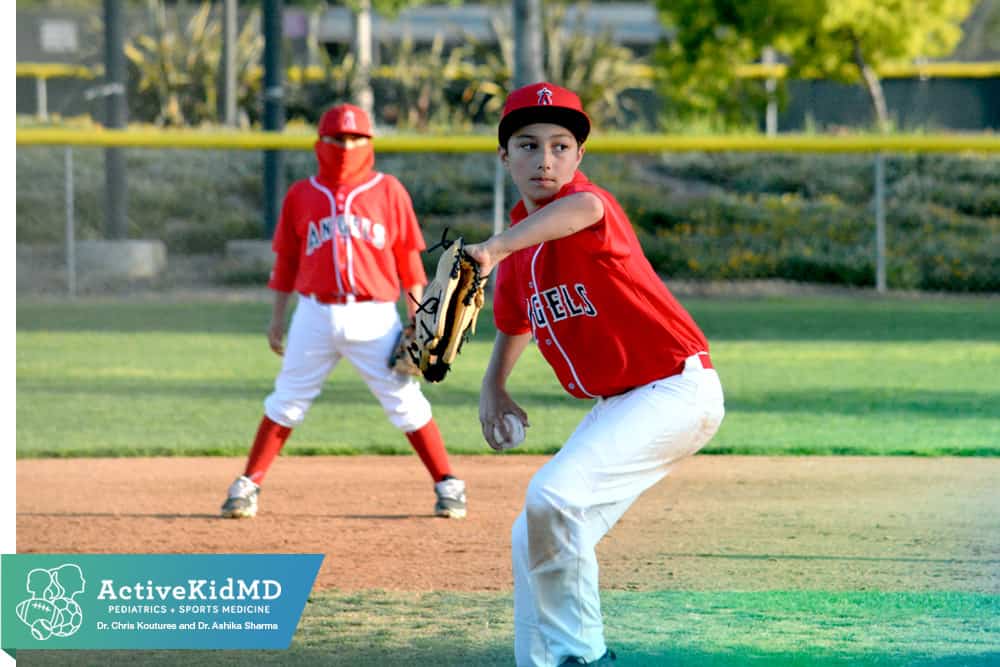
From recreational leagues to collegiate championships, softball continues to resonate with athletes and fans seeking an engaging, inclusive game that blends skill and camaraderie. Its origins, structure, and pace give it broad appeal, allowing players at varying levels of experience to thrive. Whether organized for employee wellness initiatives or as a key program in local communities, softball stands out as a discipline where teamwork, fitness, and competitive spirit intersect. This article uncovers why softball is a sport that endures, appealing to participants of different backgrounds and abilities.
Far from a smaller version of baseball, softball has its own identity, shaped by unique pitch styles, strategic plays, and a strong sense of community. Organizations that support softball programs often note increases in morale and unity among employees or members. For individuals, playing the game fosters agility, decision-making, and mental resilience. Overall, the simplicity of picking up a bat and glove merges seamlessly with the game’s deeper layers of athleticism and strategy.
Broad Accessibility
Softball welcomes players of all ages and skill levels, partly due to field dimensions and the slower pitch speed compared to baseball. On a standard softball diamond, base paths are shorter, and the pitching distance is reduced, encouraging both novices and seasoned athletes to engage confidently. This accessibility makes the sport equally inviting for a weekend corporate tournament or a youth summer league. Teams often reflect a mix of playing styles and fitness backgrounds, uniting participants under the shared goal of friendly yet focused competition.
Within companies, forming a softball league or organizing a seasonal outing can yield positive effects on collaboration. Departments that rarely interact find common ground on the field, forging stronger ties that can carry back into day-to-day tasks. Such experiences help professionals hone leadership, communication, and conflict-resolution skills in a relaxed setting. Observing the synergy that arises from a well-coordinated double play or a decisive base hit underscores the value of unified teamwork.
Accessibility also extends to differences in athleticism. Players can choose positions that fit their strengths, whether it’s pitching, fielding in the infield, or patrolling the outfield. Flexible rules, such as allowing pinch runners, encourage broader participation. Ultimately, the sport’s inclusive nature allows the entire roster to make meaningful contributions, driving self-confidence and group cohesion.
Skill Development and Strategic Depth
While easy to pick up initially, softball holds unexpected layers of challenge. Batters quickly discover that timing a pitch accurately, particularly against different pitching arcs, requires focus and muscle memory. Fielders refine footwork, glove work, and speed to cover ground or catch line drives. Baserunners constantly weigh risks against rewards, deciding whether to steal a base or attempt an extra advancement on a misplayed ball.
From a strategic standpoint, managers or coaches read the opposing defense, rotate their lineup, and decide which pitch sequences might unsettle hitters. Even casual leagues can showcase chess-like maneuvers such as shifting fielders in response to a batter’s tendencies. For players who relish problem-solving under pressure, softball offers a satisfying test of mental agility wrapped in athletic demands.
For organizations that sponsor or affiliate with softball, these skill-building components extend beyond the field. The tactics players learn—swift decision-making, reading teammates, adapting strategy on the fly—mirror challenges in corporate project teams or sales negotiations. Mastering these in-game skills builds confidence in communication and leadership that can benefit broader professional life.
Community and Camaraderie
Beyond the competitive aspect, softball fosters a supportive social environment. In each game, players share high-fives and laughs over both triumphs and mishaps. Throughout a season, acquaintances deepen into friendships, bridging roles and backgrounds. This culture of camaraderie underpins many leagues, forging relationships that continue off the diamond.
Events like charity tournaments tap into softball’s community appeal. Local businesses sponsor teams to raise funds for causes, gather employees to volunteer, or network with other organizations. Such gatherings blend philanthropy, brand visibility, and recreational sports, reinforcing how softball transcends standard recreation to become a unifying force. For professionals, forging these connections can lead to fruitful partnerships and enriched perspectives.
In the workplace, hosting occasional team-building activities around softball yields a relaxed atmosphere that nurtures staff loyalty. Employees who team up successfully in a game often bring that spirit of collaboration back to their everyday duties. Beyond that, these shared experiences speak to a corporate culture that values employee well-being and group success.
Softball Gloves
Equipment like softball gloves plays a pivotal role in the sport, influencing performance and safety. A well-chosen glove fits the player’s position and hand size, aiding in swift catches and fluid transitions. Advanced materials and designs offer comfort and durability, key factors for those who practice or play multiple games a week. Whether in a corporate league or a competitive club setting, a properly fitted softball glove can raise confidence and agility in the field.
Besides purely functional aspects, gloves hold sentimental value for many. A break-in period helps the leather mold to the player’s hand, creating a personal connection. Over time, a glove carries the memories of crucial plays, near misses, and triumphant outs. When an organization invests in quality equipment, it affirms the significance of the sport, highlighting a focus on both performance and collective pride.
Year-Round Potential and Adaptability
Many assume softball is strictly a warm-weather pastime. While summer and spring leagues thrive outdoors, some organizations maintain year-round involvement via indoor facilities. Indoor leagues keep skills sharp regardless of climate, enabling participants to remain active. This flexibility ensures the game endures even in cooler months, and it fosters a more constant sense of community among players.
Adaptations like shorter indoor fields or specialized rule sets maintain the core of softball. Even so, these variations preserve the essential blend of batting technique, field awareness, and strategic cunning. Players might relish the altered pace or challenge of faster infield reflexes under indoor constraints, proving softball’s inherent adaptability across different environments.
Conclusion
Softball endures as a beloved sport for reasons that go far beyond the diamond. It offers a welcoming entry point for new players, strategic depth for competitive athletes, and a social framework that brings people together. Organizations often find that supporting softball teams and events leads to stronger relationships among coworkers or members. Skill-building resonates beyond the game, fueling personal and professional confidence.
From the casual league to the serious tournament, the emphasis on teamwork, problem-solving, and communication shows how softball fosters growth in both individuals and groups. With the right equipment, including a properly fitted softball glove, participants stand prepared to enjoy and excel at every game. This focus on camaraderie, skill development, and organizational support makes softball not just an entertaining pastime but a dynamic tool for well-rounded professional and personal enrichment.