

You might be feeling a quiet mix of worry and hope every time you look at your family’s smiles. Maybe your child needs a front tooth repaired after a fall. Maybe you have an older crown that no longer matches. Maybe a parent or grandparent is finally ready to replace worn or darkened teeth. By working with a dentist in Richmond Hill, NY, you want everyone to feel confident when they smile, yet you also want those restorations to look natural together, not like a patchwork of different whites.end
Because of this tension, you might wonder if it is even possible for one family and cosmetic dentist to manage shade matching across different ages, different teeth, and different types of materials. The short answer is yes. When shade matching is treated as an art supported by science, multigenerational restorations can blend beautifully. You will learn why shade is so tricky, what really affects color over time, how modern research supports better choices, and what you can do to give your family the best chance at natural looking smiles.
Why does shade matching feel so stressful for family restorations?
It often starts with something small. A teenager chips a front tooth. A composite filling is placed, and under the bright operatory light it seems to match. Then you step outside into daylight, and suddenly the tooth looks a little too bright or a little too flat. Or perhaps you had crowns placed years ago that looked fine at the time, but your natural teeth have darkened, or the restorations have changed color, and now every photo reminds you that something looks “off.”
This stress grows when you realize that each family member is at a different stage of life. Children’s teeth are usually lighter and more translucent. Adults may have mild staining from coffee, tea, or smoking. Older adults might have significant wear and darker dentin. You are not just matching one tooth to another. You are trying to coordinate smiles across generations, while also planning for how those smiles will age.
So where does that leave you when you are trying to choose the right dentist or the right plan for treatments that need to look natural today and still make sense years from now.
What makes multigenerational shade matching so complex?
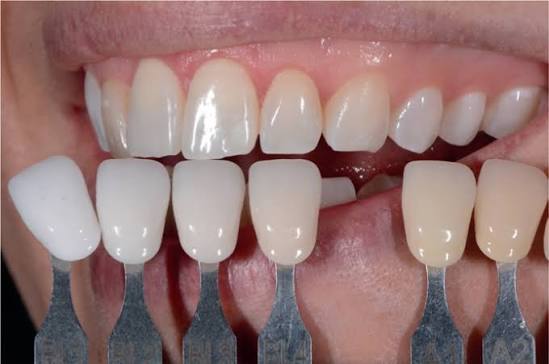
The art of shade selection is more complex than simply choosing “A2” or “B1” from a shade guide. Real teeth are not a flat color. They have layers, translucency, and small variations that change from the neck of the tooth to the edge. When you add age differences into the picture, everything becomes even more nuanced.
For children and teens, enamel is usually brighter and more translucent. A filling that looks perfect today might stand out later if the tooth darkens with age or if the restoration material stains differently than the natural tooth. For adults in midlife, many have a mix of older restorations, whitening history, and lifestyle stains. The dentist has to decide whether to match the natural teeth as they are, or to plan whitening first, then match to the new baseline shade. For seniors, wear, gum recession, and thinner enamel can make teeth appear darker and slightly yellow or gray. Matching a new crown to a single darkened tooth, while keeping options open for future whitening or implants, demands careful planning.
There is also the science behind how materials behave over time. Research shows that different ceramics and composites have different levels of color stability and translucency. For example, studies on zirconia based restorations describe how adjustments or layering can affect final shade and translucency over the years. One review of zirconia dental ceramics, available through the National Institutes of Health, explains how composition and processing can influence both esthetics and long term appearance, which matters if you want a crown that still matches in a decade. You can explore these findings in more detail through this overview of zirconia ceramics and esthetics.
Composite resins used for fillings also behave differently over time. Some absorb more pigments from food and drink. Others are more stable but may be less translucent. A recent article on resin based materials and color stability in the medical literature highlights how aging, surface finishing, and exposure to staining agents change shade accuracy. To see examples of how materials can shift in color, you can read this research on color changes in dental resins.
Because of all this, shade matching for multiple generations is not a one time decision. It is a strategy. You and your dentist are planning where your family’s smiles are going, not just what they look like today.
How do different choices compare for long term family shade harmony?
You might be weighing options like simple fillings versus porcelain veneers, or single crowns versus a more coordinated plan. It can help to see how common choices compare when you are thinking about shade matching across years and ages.
| Treatment choice | Shade matching today | How it ages over time | Best suited for |
| Basic composite fillings with quick shade pick | Can look acceptable at first, especially in back teeth | Higher risk of staining or mismatch as natural teeth change color | Small back teeth restorations where appearance is less critical |
| Carefully layered composite with customized shade | More natural result, especially in front teeth | Better blend if high quality resin is used, though some staining is still possible | Children, teens, and adults needing conservative front tooth repair |
| Standard porcelain crown chosen only from a basic shade tab | Looks good under office light, may miss subtle variations | Generally stable color, but can look “flat” compared to aging natural teeth | Single tooth restorations when budget is tight and expectations are modest |
| Customized ceramic crown or veneer with lab communication and photos | High potential for a close match to neighboring teeth in different lights | Excellent long term color stability with modern ceramics | Front teeth in adults or seniors where appearance matters most |
| Coordinated family plan for whitening plus restorations | Creates a shared “baseline” shade for multiple family members | Easier to match future work to an agreed color, supports multigenerational harmony | Families planning several treatments over the next few years |
Seeing these options side by side can make it clearer why a quick fix sometimes leads to long term frustration, while a little more planning at the start can protect both your investment and your peace of mind.
What can you do right now to support better shade matching?
You do not need to become an expert in materials to get a natural looking result. A few thoughtful steps can change the entire experience for you and your family.
- Share your “future smile” goals across the whole family
Before any major work is started, talk with your dentist about where you see things heading. Are you considering whitening for yourself or your teen. Does a parent plan to replace older crowns or dentures. Is anyone likely to need implants or orthodontics soon. When your dentist knows the bigger picture, they can approach the art of shade matching as a long term project, not a series of isolated repairs.
Bring old photos if you can, especially from times when you liked how your teeth looked. This gives a reference point for natural shade and shape. Mention if you prefer a very bright “Hollywood” look or a softer, more natural tone. There is no right answer. There is only what feels true to you and your family.
- Ask about materials, lighting, and photos before treatment
For front teeth, ask how your dentist chooses shades. Do they use only a standard shade guide, or do they also take digital photos and use different lighting conditions. Do they work closely with a lab technician and share detailed notes and images. An experienced cosmetic shade matching approach often includes:
- Evaluating teeth in natural daylight as well as operatory light
- Taking photos with shade tabs next to your teeth for the lab
- Choosing materials known for color stability suitable for your age and needs
You can simply say, “I care a lot about the color matching, especially as I get older and more work might be needed. How will you make sure this blends well over time.” A good family and cosmetic dentist will welcome that question.
- Plan timing and maintenance so shade stays consistent
Timing matters. If you plan to whiten, do it before final restorations, then allow the shade to stabilize, usually a couple of weeks, before matching crowns or veneers. If several family members are starting treatment, consider scheduling whitening or cleaning around the same period so everyone’s baseline shade is clear.
After treatment, maintain regular cleanings and be honest about habits that might stain, such as coffee, tea, red wine, or smoking. Your dentist can suggest gentle polishing or periodic touch up whitening that respects both your natural teeth and your restorations. This ongoing care helps protect the harmony you worked so hard to create.
Moving forward with confidence in family shade matching
You are not being “too picky” for wanting teeth that look natural, healthy, and consistent across your family. Color is one of the first things people notice about a smile, and it carries a lot of emotional weight. When you understand that multigenerational restoration color matching is both an art and a science, the process feels less mysterious and more manageable.
You do not have to solve it alone. Start by having an open conversation with a dentist who takes shade seriously, who listens to your concerns, and who is willing to think a few years ahead with you. With the right planning, your child’s repaired tooth, your new crown, and a parent’s updated restorations can all tell the same quiet story. A story of care, continuity, and confidence every time your family smiles.
