

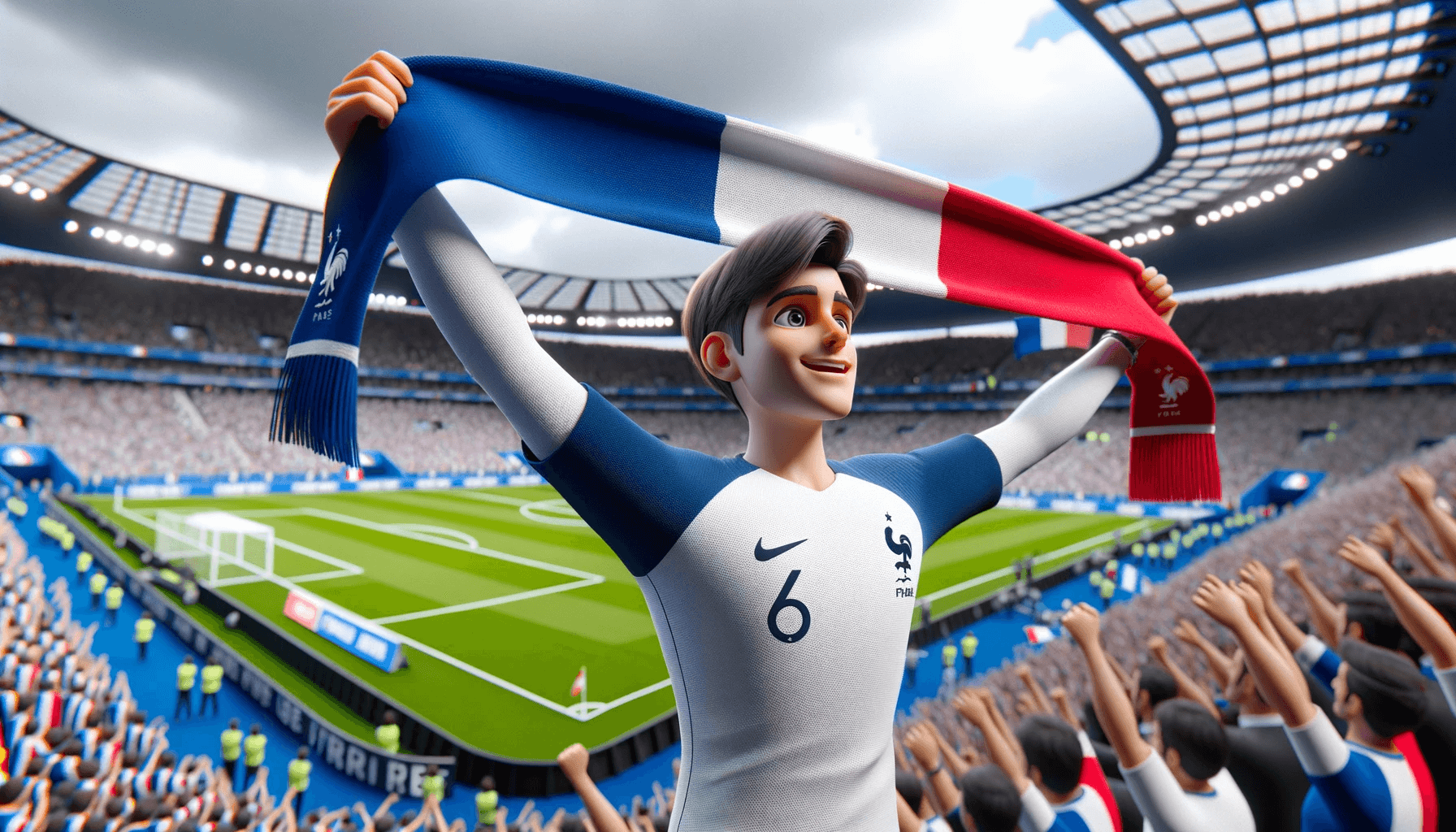
We are no longer just faces in a crowd. In the online arena, we curate our fandom like a digital biography, building identities that transcend the physical world.
In the analog era, your identity as a sports fan was defined by physical artifacts: the jersey on your back, the season ticket in your pocket, and the scarfs hanging in your bedroom. It was a tangible, localized existence. You were a fan because you were there.
Today, the concept of “being a fan” has migrated to the cloud. On social media profiles, forums, and streaming chat rooms, we construct digital avatars of our fandom. These “cool bios” we write for ourselves—listing our teams, our favorite players, and our hottest takes—are not just static text; they are dynamic performances of identity. This shift from physical presence to digital curation has fundamentally altered the culture of sports. It has turned fandom into a form of personal branding, where knowledge, access, and connectivity are the new status symbols.
The Curation of the Self
Social media has taught us to view our lives as content. Sports fandom is no exception. When we post a reaction video to a goal, or share a screenshot of a match statistic, we are signaling our tribe. We are telling the world, “This is who I am.”
This performance requires props. In the digital world, the “props” are links, streams, and exclusive information. Being the person who knows where to find the game is a form of social capital. In the hyper-connected communities of South Korea, for instance, sharing a reliable gateway to content—such as a link to 강남티비—is not just a helpful gesture; it is an act that cements one’s status as an insider. It signals that you are plugged into the infrastructure of the game, that you know the digital backroads that lead to the best viewing experiences. By curating these resources, fans build a reputation for reliability and expertise within their digital circles.
The Biology of Fandom
Interestingly, this digital engagement triggers real biological responses. We often think of “online” as separate from “real life,” but the brain makes no such distinction.
When you are watching a high-stakes match on a screen, your cortisol levels spike. When your team wins, your dopamine pathways light up. The screen may be glass, but the physiological reaction is visceral. We are “cool bios” in name, but hot-blooded organisms in practice.
Technology is beginning to bridge this gap between the digital and the biological. Wearable tech allows fans to track their own heart rates during games. Imagine a future broadcast where you can see the aggregate heart rate of the entire fanbase displayed on the screen—a real-time visualization of collective anxiety. This “bio-feedback loop” will deepen the connection between the fan and the game, proving that the digital experience is just as physically taxing as being in the stands.
The Democratization of Access and Identity
The most powerful aspect of digital fandom is its inclusivity. In the physical world, your identity is often constrained by geography and economics. If you live in a rural area, you cannot be a season ticket holder. If you cannot afford cable, you are cut off from the conversation.
The internet flattens these hierarchies. A fan in a remote village can be just as knowledgeable and engaged as a fan in the city center. This concept of “nationwide” equality is central to the modern digital ethos. Platforms that emphasize this reach, often associated with keywords like 전국티비, play a crucial role in validating this identity. They ensure that the “national” pastime is truly national, accessible to anyone with a connection. This validation allows users to build their fan identity based on passion rather than privilege. It says, “You belong here, regardless of your zip code.”
The Psychology of the Chat Room
The chat room is the new stadium curve. It is where the chants happen, where the insults are traded, and where the community bonds.
Psychologists have observed that people often feel more comfortable expressing strong emotions online than in person. The “online disinhibition effect” can be toxic, but it can also be liberating. For shy individuals who might never cheer loudly in a pub, the chat room offers a safe space to scream in all caps. It allows them to try on a bolder, more passionate version of themselves.
This digital persona often bleeds into real life. The confidence gained from debating tactics online can translate into more assertiveness in offline conversations. The friends made in a forum can become real-world support networks. The “avatar” fan is not a fake identity; it is an extension of the self.
Algorithmic Identity
We must also acknowledge the role of algorithms in shaping who we are. The content we are fed—the highlight reels, the transfer rumors, the debate clips—is curated by AI based on our viewing history.
This creates a feedback loop. If you watch one video about a specific player, the algorithm feeds you ten more. Your fandom becomes deeper and more specific. You might start as a casual observer and, guided by the algorithm, evolve into a tactical expert on a niche league. Our digital identities are a co-creation between our own choices and the machine’s suggestions.
The Future: The Metaverse Fan
As we move toward the Metaverse, our digital identities will become literal avatars. We will walk into virtual stadiums wearing digital jerseys that are verified on the blockchain. We will sit next to holograms of our friends from other continents.
In this future, the distinction between the “real” fan and the “digital” fan will vanish entirely. We will all be hybrids—biological beings inhabiting digital spaces, united by the ancient, tribal rhythm of the game. The “cool bio” on your profile will no longer just be text; it will be the blueprint of your digital soul.
Embracing the Hybrid Self
The evolution of sports fandom is a mirror of our broader evolution as a species. We are becoming more connected, more curated, and more digital. But at the core, the human need remains unchanged. We want to belong. We want to feel. We want to witness greatness.
Whether we are standing in the rain at a stadium or sitting in the glow of a monitor at 3 AM, we are all chasing the same feeling. The tools have changed, but the heart of the fan beats the same. The digital age hasn’t replaced the human element; it has simply given it a new, global stage on which to perform.
