



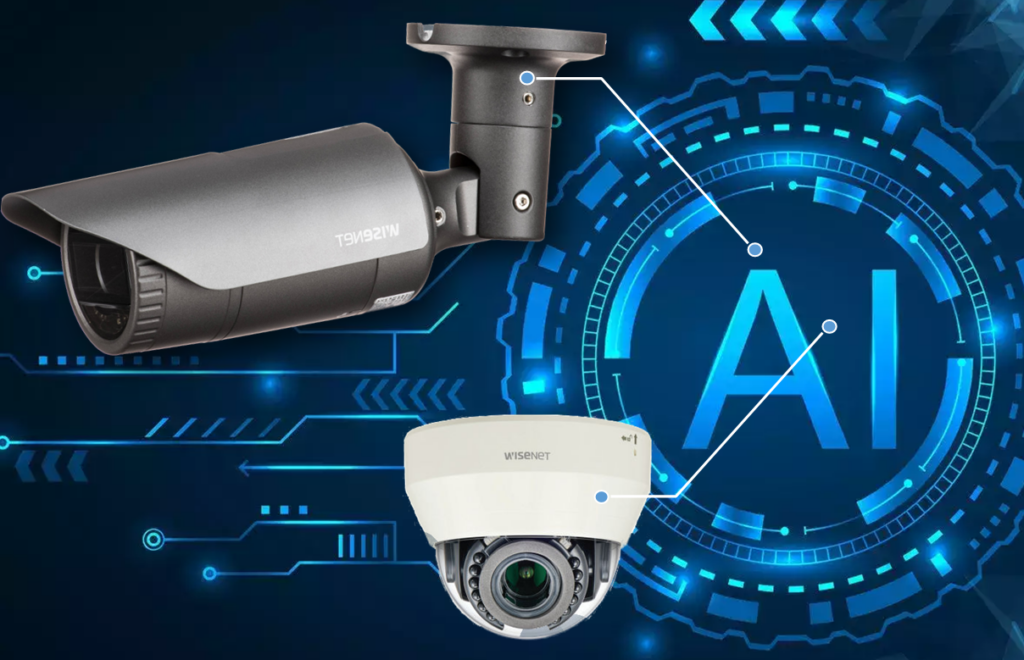
In today’s rapidly evolving landscape of security technology, the integration of license plate security camera systems has emerged as a pivotal solution for enhancing surveillance and law enforcement efforts. These specialized cameras have revolutionized the way businesses, law enforcement agencies, and various organizations approach security measures. Understanding the economic implications of deploying such systems is essential for informed decision-making and maximizing returns on investment.
Evaluating the cost versus benefits of security technology is key to making informed decisions. For a deeper understanding of cutting-edge security solutions, including detailed information on various camera systems, consider consulting experts at Mammoth Security Inc.
Analyzing the Economics of License Plate Security Cameras: Factors to Consider
1. Initial Investment
The upfront cost encompasses not only the purchase of cameras and software but also the installation process, which may require specialized expertise. Integration with existing infrastructure necessitates additional expenses for compatibility and configuration. Choosing reputable providers like Vision Detection Systems ensures reliability and quality assurance but may entail higher initial costs for premium products and services.
2. Maintenance Costs
Regular maintenance encompasses routine checks and software updates to ensure compatibility with evolving technologies and security standards. Hardware maintenance involves periodic inspections, cleaning, and potential component replacements to prevent system malfunctions. Repairs may be necessary in the event of damage from environmental factors or vandalism, further adding to maintenance expenditures over time.
3. Potential Savings or Revenue Generation
Beyond deterring criminal activities, license plate security cameras facilitate data-driven decision-making through the capture and analysis of vehicle movements. This intelligence can optimize resource allocation, such as staff deployment or parking space utilization, leading to operational cost reductions and increased revenue streams. Moreover, the potential for real-time alerts and rapid response capabilities can minimize losses associated with security breaches, enhancing overall financial resilience.
Maximizing Return on Investment
1. Strategic Placement
Strategic placement involves meticulous assessment of high-traffic areas, such as main thoroughfares, entrances, and exits, to optimize surveillance coverage. By strategically locating license plate security cameras in parking lots, loading docks, and sensitive zones, organizations can deter unauthorized access and swiftly respond to security incidents, minimizing potential risks and losses.
2. Integration with Existing Systems
Seamless integration with existing security infrastructure, including CCTV cameras and access control systems, streamlines monitoring processes. This cohesive approach enables real-time coordination and data sharing, facilitating a unified response to security threats. By harmonizing disparate systems, organizations enhance situational awareness and bolster overall security efficacy.
3. Data Analysis and Intelligence
The data collected by license plate security cameras serves as a valuable resource for informed decision-making. Analyzing vehicle patterns, identifying anomalies, and leveraging predictive analytics empower organizations to anticipate potential security risks and allocate resources effectively. By extracting actionable insights from camera data, organizations enhance operational efficiency and strengthen their security posture.
4. Automation of Alert Systems
Automated alert systems provide proactive surveillance by promptly notifying personnel of suspicious activities or security breaches. By configuring alerts based on predefined criteria such as license plate recognition matches or abnormal vehicle behavior, organizations can expedite response times and mitigate potential threats in real time. This proactive approach enhances overall security readiness and minimizes the impact of security incidents.
5. Training and Education Programs
Investing in comprehensive training programs ensures that personnel possess the necessary skills to effectively utilize license plate security cameras. By providing training on camera operation, maintenance, and data interpretation, organizations empower staff to leverage the system’s full potential. Educating personnel on security protocols and response procedures fosters a culture of vigilance, enhancing overall security awareness and readiness.
Vision Detection Systems: The Preferred Choice for Security Cameras
1. Cutting-Edge Technology
Vision Detection Systems leads the industry with state-of-the-art technology in license plate security cameras. Their innovative solutions leverage advanced image recognition algorithms and high-resolution cameras to deliver unparalleled accuracy and reliability in license plate recognition.
2. Customized Solutions
Recognizing that each client has unique security needs, the company offers tailored solutions to address specific requirements. Whether it’s a small business, a large corporation, or a government agency, their team works closely with clients to design and implement customized security camera systems that meet their exact specifications.
3. Proven Track Record
With years of experience in the security industry, Vision Detection Systems has established a solid reputation for excellence. Their track record of successful installations and satisfied clients underscores their commitment to quality and customer satisfaction.
4. Seamless Integration
Vision Detection Systems’ security camera systems seamlessly integrate with existing infrastructure, including CCTV networks and access control systems. This interoperability ensures compatibility and ease of use, allowing clients to maximize the utility of their security investments.
5. Ongoing Support and Maintenance
Beyond installation, Vision Detection Systems provides comprehensive support and maintenance services to ensure the continued functionality of their security camera systems. Their team of experts offers regular maintenance checks, software updates, and prompt assistance in case of any issues, providing clients with peace of mind and uninterrupted security coverage.
Conclusion
Adopting license plate security cameras represents a strategic investment for businesses, law enforcement agencies, and organizations seeking to bolster their security measures. While the initial costs and ongoing maintenance are factors to consider, the potential savings and revenue generation from improved security and efficiency outweigh these expenses. By leveraging strategic placement, integration with existing systems, and data-driven insights, organizations can optimize their return on investment from license plate recognition systems.
Embracing such technologies is paramount in today’s dynamic security landscape, ensuring a proactive approach to safeguarding assets and personnel. The integration of license plate security cameras, alongside innovations like a mobile security trailer, underscores the commitment to comprehensive security solutions in an ever-evolving world.


