

When planning a kitchen remodel, layout decisions play a pivotal role in determining how well the space functions. While materials and design elements are important, an efficient layout can significantly enhance workflow, storage, and comfort. Whether you’re a cooking enthusiast or someone who entertains frequently, aligning your layout with your lifestyle is key. For homeowners considering kitchen remodeling Tacoma WA, understanding the elements of layout design can help them transform their kitchens into spaces that are as practical as they are beautiful.
When considering a kitchen remodel, it’s crucial to collaborate with professionals who understand the nuances of design and functionality. An experienced Austin kitchen remodeler can provide invaluable insights into optimizing your kitchen layout, ensuring that every inch of space is utilized effectively. By focusing on both aesthetics and practicality, they can help create a kitchen that not only meets your culinary needs but also enhances the overall flow and feel of your home. Whether you’re looking to incorporate modern appliances or create a more open-concept design, working with experts can make all the difference in achieving a successful remodel.
Incorporating innovative design elements can significantly enhance the functionality of your kitchen space. By focusing on the flow and accessibility of key areas, you can create a more efficient and enjoyable cooking environment. For those looking to explore more creative ideas and expert tips on optimizing kitchen layouts, Click here to know how to transform your space into a culinary haven. This approach not only maximizes the utility of your kitchen but also adds a touch of personal style, ensuring that your kitchen is both practical and aesthetically pleasing.
The Work Triangle and How to Optimize It
1. Ensure Proper Spacing
The total distance of the work triangle should ideally range from 12 to 26 feet. If the points are too close together, the kitchen may feel cramped, but if they’re too far apart, cooking becomes inefficient. For example, if you frequently use the stove and refrigerator together, placing them within four to eight feet ensures seamless transitions during meal prep.
2. Avoid Obstructions
Pathways within the triangle should be free of obstacles. Consider potential blockers, such as large islands or furniture, and ensure there is enough clearance to walk between each point without disruption. For small kitchens, compact appliances can help minimize interference.
3. Customize for Workflow
Different cooking habits require different configurations. If you bake often, having the refrigerator closer to the counter used for mixing ingredients can save steps. Similarly, for households with multiple cooks, creating separate zones within the triangle can reduce bottlenecks.
Popular Layouts: U-Shape, L-Shape, Galley, and Open-Plan Kitchens
1. U-Shape Kitchen
This layout, which wraps around three walls, is excellent for creating a dedicated cooking space. It maximizes counter space, making it ideal for homes where cooking is a primary activity. However, for smaller kitchens, it’s important to maintain at least 5 feet between opposite counters to avoid a cramped feel.
Incorporating innovative design elements can significantly enhance the functionality of your kitchen space. For those looking to explore a variety of remodeling options, it’s essential to consider professional guidance to ensure every detail aligns with your vision. Click here to discover expert insights and services that can transform your kitchen into a more efficient and aesthetically pleasing environment. By focusing on strategic layout adjustments, you can create a harmonious balance between style and practicality, ultimately elevating the overall experience of your kitchen. Whether you’re aiming for a modern look or a classic feel, the right layout can make all the difference in achieving your dream kitchen.
2. L-Shape Kitchen
The L-shape layout is a versatile choice that works well in medium to large spaces. It efficiently utilizes corners, offering plenty of room for counters and storage. Adding an island to an L-shaped kitchen creates a central gathering point without interrupting the workflow.
3. Galley Kitchen
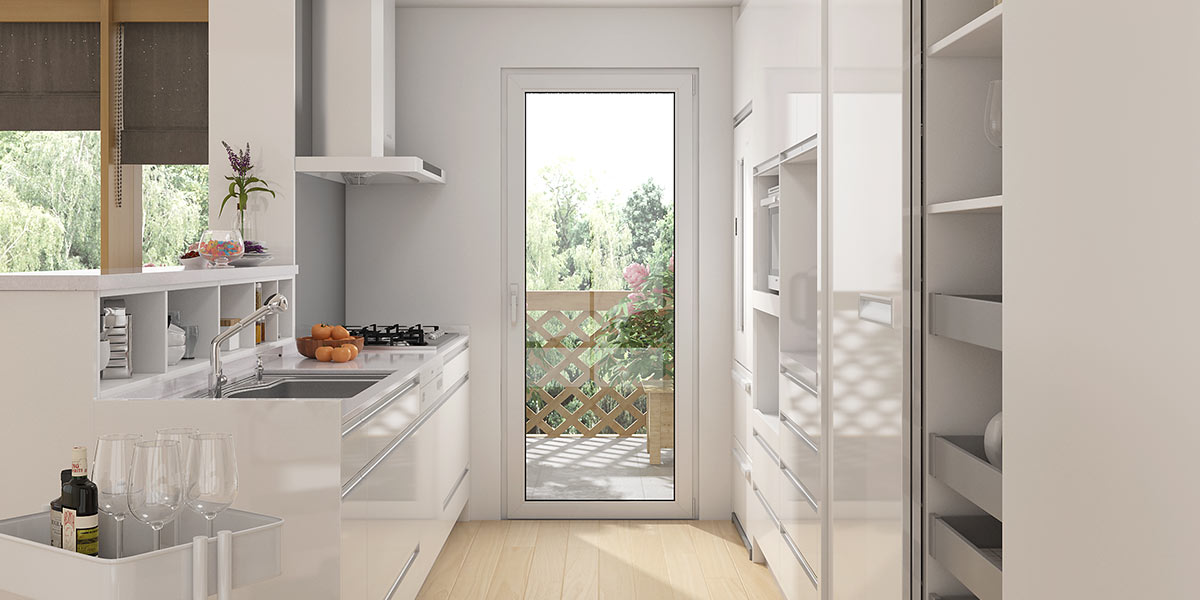
The galley kitchen, characterized by two parallel walls, is popular in compact spaces. It creates a streamlined and efficient workflow by minimizing unnecessary movement. For improved functionality, consider placing the sink and stove on one wall and the refrigerator on the opposite.
4. Open-Plan Kitchen
An open-plan layout is ideal for homes with a focus on socializing. By eliminating walls between the kitchen and adjoining rooms, it allows for easy interaction with guests or family. To define the kitchen area, incorporate an island or peninsula that also serves as a functional workspace.
Tips for Ensuring Proper Traffic Flow and Spacing
1. Maintain Clear Pathways
The space between countertops and cabinetry should be at least 36 inches in single-cook kitchens and 42–48 inches in multi-cook kitchens. This ensures easy movement without bumping into counters or other people.
2. Position Appliances Strategically
Place frequently accessed appliances, like the refrigerator or microwave, in locations that are easy to reach without disrupting the main cooking area. For instance, positioning the refrigerator near the entrance of the kitchen can minimize foot traffic across the space.
3. Define Separate Zones
Divide the kitchen into functional zones for cooking, cleaning, and socializing. For example, keep the dishwasher close to the sink to streamline cleaning, while seating areas should be placed away from the main cooking zone to avoid crowding.
Incorporating a well-designed kitchen island can significantly enhance the functionality and aesthetic appeal of your space. When considering remodeling kitchen islands, it’s essential to stay informed about the latest trends that can optimize both style and utility. From multi-level surfaces to integrated appliances, modern islands offer versatile solutions that cater to various culinary and social needs. By thoughtfully selecting materials and configurations, homeowners can create a central hub that not only complements the overall kitchen layout but also maximizes efficiency and comfort.
Considerations for Incorporating an Island or Peninsula
- Evaluate Space Availability: Ensure that the kitchen has at least 36–48 inches of clearance around the island or peninsula to allow for easy movement. In smaller kitchens, a rolling island or a slimmer peninsula may be better suited to maximize usability.
- Define Its Purpose: Decide whether the island or peninsula will serve as a prep area, cooking station, dining space, or a combination of these. For example, incorporating a cooktop or sink into the island can increase efficiency, while adding seating makes it a social hub.
- Maximize Storage Potential: Islands and peninsulas are perfect for additional storage. Include cabinets, drawers, or even wine racks to store items conveniently while keeping them out of sight.
- Add Practical Features: Consider adding electrical outlets to the island for charging devices or powering small appliances. This can make the space more versatile, especially for multi-purpose use.
Tailoring the Layout to Meet Specific Cooking or Entertaining Needs
- For Passionate Home Chefs: Home chefs need plenty of counter space, easily accessible storage for cookware, and proximity to ingredients. Adding features like a pot filler over the stove and a large pantry nearby can streamline meal preparation.
- For Entertainers: An open layout with a spacious island or bar seating can facilitate social interactions. Consider adding a beverage fridge or a second sink to handle drinks and appetizers separately from the main cooking area.
- For Families with Kids: Kid-friendly kitchens should include accessible snack storage, soft-close drawers to prevent injuries, and designated homework spaces. Rounded countertop edges and easy-to-clean surfaces are also practical choices.
- For Multi-Taskers: A layout that incorporates a tech station or message center is ideal for families managing busy schedules. Include a desk area or charging station in an underutilized corner of the kitchen.
Conclusion
The layout of a kitchen is a cornerstone of any remodeling project, influencing how effectively the space can be used and enjoyed. From optimizing the work triangle to choosing the right layout, traffic flow, and functional features, every decision contributes to creating a space that aligns with both form and function. Whether the goal is to enhance cooking efficiency or provide a welcoming area for family gatherings, careful planning is key. For homeowners seeking a transformative kitchen remodel Tacoma, consulting with professionals, such as By Design Kitchen Remodeling Of Tacoma ensures that every detail, from layout to final finishes, is executed to perfection.
