



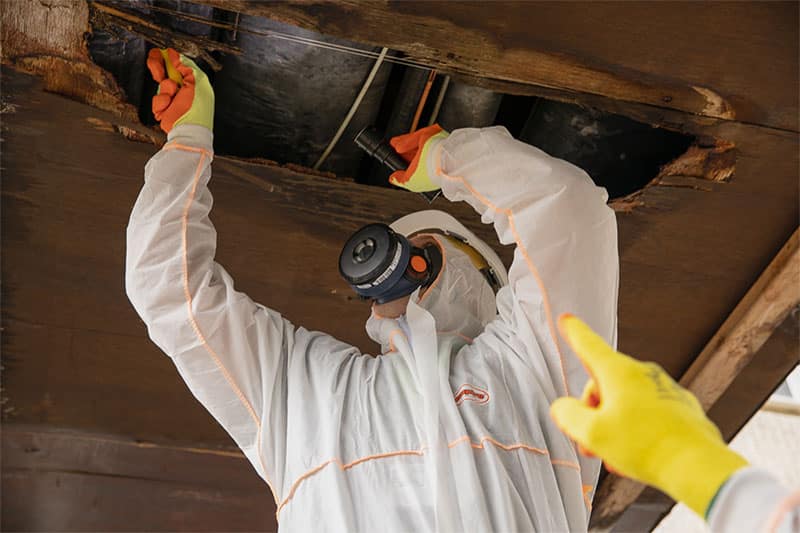
Asbestos, a once-common building material, is notorious for its health risks. Its fibers can cause serious illnesses such as asbestosis, lung cancer, and mesothelioma when inhaled. Despite being banned in many countries, asbestos can still be found in buildings constructed before the 1980s. Accurate identification of asbestos survey is crucial for managing these risks effectively. This is where professional surveyors come into play. Their role in asbestos identification is vital to ensuring safety, regulatory compliance, and informed decision-making in property management and renovation projects.
Understanding Asbestos and Its Risks
Asbestos is a group of naturally occurring minerals known for their durability and resistance to heat and fire. Historically, it was used extensively in construction for insulation, fireproofing, and strengthening materials. However, its dangerous health effects became evident over time. Asbestos fibers, when disturbed, can become airborne and be inhaled, leading to severe respiratory conditions and cancers. Find out more about asbestos air testing in buildings.
Due to these health risks, many countries have established strict regulations governing asbestos management and removal. Identifying asbestos accurately and managing it properly is essential to minimizing exposure and protecting public health. Consequently, accurate identification of asbestos in buildings and other structures is crucial for ensuring safety and compliance with regulations. This is where professional surveyors come into play. Their role in the identification and management of asbestos is pivotal in safeguarding public health and ensuring compliance with legal requirements.
Understanding Asbestos and Its Risks
The Importance of Professional Surveyors
Professional surveyors play a critical role in the identification and management of asbestos. Their expertise ensures that the process is conducted accurately, safely, and in accordance with regulatory standards. Here are several key aspects of their role:
Despite its practical applications, asbestos poses severe health risks. Exposure to airborne asbestos fibers can lead to serious respiratory conditions, including asbestosis, lung cancer, and mesothelioma. Accurate identification of asbestos-containing materials (ACMs) is crucial for managing these risks effectively. This is where professional surveyors play an essential role. Their expertise in asbestos identification is vital for ensuring safety, regulatory compliance, and informed decision-making.
Expert Knowledge and Training: Professional surveyors possess specialized training and certification in asbestos surveying. They are familiar with various types of asbestos-containing materials (ACMs) and the most effective methods for their identification. This expertise is crucial for distinguishing between materials that contain asbestos and those that do not, which can sometimes be challenging without specialized knowledge.
Comprehensive Surveys: Professional surveyors conduct thorough inspections to assess the presence and condition of asbestos in a building. This process typically involves several steps:
Pre-Survey Planning: Surveyors review building plans and historical data to identify areas where asbestos is likely to be present.
Visual Inspection: They conduct a visual inspection of accessible areas to identify potential ACMs.
Sampling and Analysis: Where necessary, surveyors take samples of suspected materials for laboratory analysis. This step is critical for confirming the presence of asbestos and determining its type and concentration.
Regulatory Compliance: Asbestos management is heavily regulated, with specific requirements varying by country and region. Professional surveyors are well-versed in local and national regulations concerning asbestos. They ensure that all surveys and management practices comply with these regulations, helping to avoid legal issues and fines.
Risk Assessment and Management: Once asbestos is identified, surveyors assess the risk it poses. This includes evaluating the condition of the ACMs and determining whether they need to be removed, encapsulated, or simply monitored. Their recommendations are based on factors such as the likelihood of fiber release and the potential for human exposure.
Documentation and Reporting: Professional surveyors provide detailed reports on their findings. These reports typically include information on the locations and types of asbestos identified, the condition of the materials, and recommended actions for management or removal. Proper documentation is essential for maintaining records and ensuring that future renovations or maintenance work are conducted with full knowledge of asbestos risks.
Health and Safety: Ensuring the safety of building occupants and workers is a top priority. Professional surveyors implement safety protocols during their surveys to minimize the risk of asbestos fiber release. This includes using appropriate personal protective equipment (PPE) and following procedures to prevent contamination.
Guidance on Asbestos Management: Beyond initial identification, surveyors often provide guidance on managing asbestos-containing materials. This can include recommendations for maintenance, encapsulation, or removal, as well as advice on how to handle asbestos during renovations or demolitions.
Case Studies and Practical Examples
To illustrate the importance of professional surveyors, consider a few case studies:
Residential Property Renovation: In a residential renovation project, a professional surveyor identified asbestos-containing insulation in the walls. Without this identification, the renovation crew might have disturbed the insulation, releasing asbestos fibers into the air. The surveyor’s report led to a safe removal process, protecting both workers and future occupants.
Commercial Building Compliance: A commercial building undergoing a major upgrade required an asbestos survey to comply with local regulations. The professional surveyor identified several areas with ACMs that were not previously documented. Their detailed report enabled the building management to address these issues before construction began, avoiding potential compliance violations and health risks.
Local regulations. The professional surveyor identified several areas with previously undocumented ACMs. Their thorough survey and report allowed the building management team to address these issues before construction began, avoiding potential compliance violations and health risks.
During the restoration of a historical building, accurate asbestos identification was crucial for balancing preservation with safety. The professional surveyor’s expertise ensured that asbestos risks were managed effectively while preserving the building’s historical value.
Historical Building Preservation: In the restoration of a historical building, accurate asbestos identification was essential to preserving the structure while ensuring safety. The professional surveyor’s expertise helped balance the preservation of historical elements with the need to manage asbestos safely, demonstrating their role in both safety and heritage conservation.
Conclusion
Professional surveyors are indispensable in the accurate identification and management of asbestos. Their expertise ensures that asbestos surveys are conducted thoroughly and in compliance with regulations, providing critical information for risk management and decision-making. By conducting detailed inspections, performing accurate analyses, and offering guidance on safe management practices, professional surveyors help mitigate the health risks associated with asbestos and contribute to safer building environments. Asbestos management is a complex and specialized field, and the role of the professional surveyor is essential to navigating this complexity effectively.


