



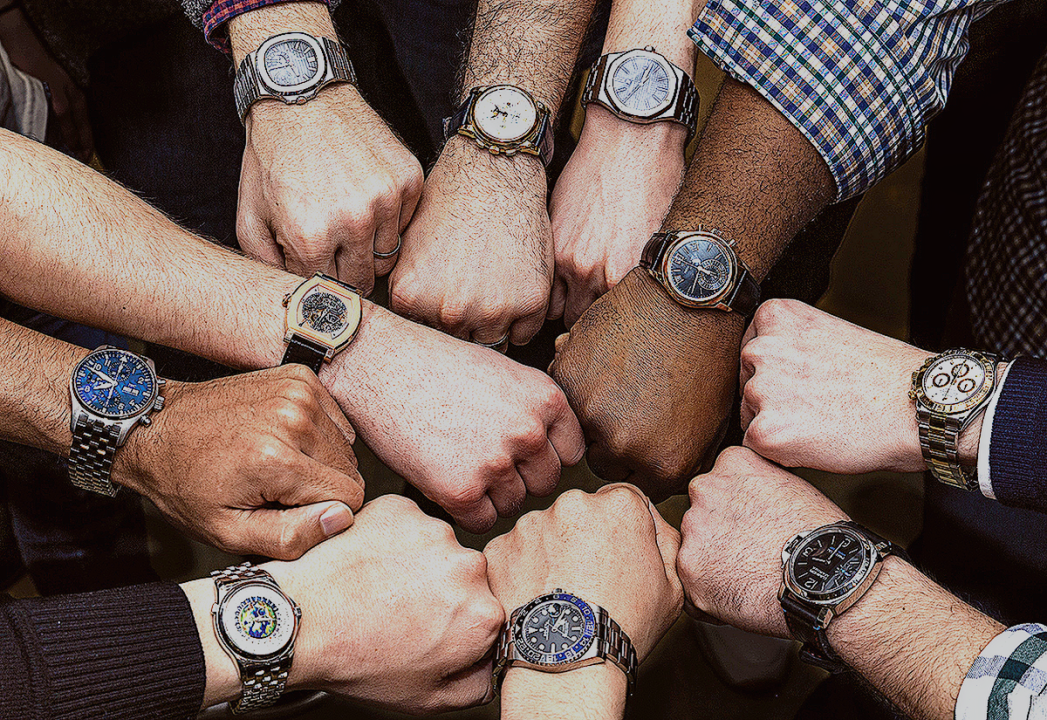
In the realm of horology, the art of crafting timepieces transcends mere functionality; it embodies an enduring legacy of craftsmanship, precision, and sophistication. Modern watchmaking stands at the crossroads of tradition and innovation, where the essence of heritage intertwines with the advancements of contemporary technology. In this article, we delve into the world of timeless luxury, exploring how the preservation of heritage shapes modern part-exchange a luxury watch it to an art form revered across generations.
A Journey Through Time: The Evolution of Watchmaking
The history of watchmaking traces back centuries, marked by an evolution that mirrors the progress of human civilization itself. From the rudimentary sundials of ancient civilizations to the intricate mechanical marvels of the present day, the journey of watchmaking has been one of relentless innovation and refinement.
During the Renaissance period, watchmaking emerged as a distinguished craft in Europe, with master artisans meticulously handcrafting timepieces adorned with intricate engravings and embellishments. The subsequent centuries witnessed significant advancements, including the invention of the balance spring by Christiaan Huygens in the 17th century, which revolutionized timekeeping accuracy.
The industrial revolution of the 19th century ushered in a new era of mass production, enabling watches to become more accessible to a broader audience. However, it also posed challenges to traditional craftsmanship, as mechanization threatened to overshadow the meticulous artistry of handcrafted timepieces.
The Renaissance of Craftsmanship: Embracing Tradition in Modern Times
In the face of technological progress, the essence of traditional watchmaking endured, nurtured by a dedicated community of artisans committed to preserving heritage. Today, renowned watchmaking maisons such as Patek Philippe, Vacheron Constantin, and Audemars Piguet stand as custodians of tradition, perpetuating centuries-old techniques passed down through generations.
Central to the ethos of these esteemed maisons is a reverence for heritage, manifested in the meticulous attention to detail and uncompromising commitment to quality. Each timepiece serves as a testament to the enduring legacy of craftsmanship, bearing the hallmarks of tradition while embracing contemporary innovation.
One of the defining characteristics of traditional watchmaking is the emphasis on artisanal skills, with master craftsmen employing time-honored techniques to create intricate dials, cases, and movements. From hand-engraving to guilloché work, these decorative embellishments not only enhance the aesthetic appeal of the watch rolex replica but also showcase the unparalleled skill of the artisan.
Engineering Excellence: Innovations in Modern Horology
While traditional craftsmanship forms the bedrock of watchmaking heritage, modern horology is also characterized by a spirit of innovation and technological advancement. The convergence of traditional craftsmanship with cutting-edge engineering has led to the development of groundbreaking innovations that push the boundaries of precision and performance the best watch winder for Rolex and Omega.
One such innovation is the advent of high-tech materials, which have revolutionized watchmaking by offering enhanced durability, lightweight construction, and resistance to environmental factors. Materials such as ceramic, carbon fiber, and titanium have become synonymous with online platform for luxury watches, offering a blend of aesthetic appeal and functional superiority.
Furthermore, the integration of advanced horological complications has elevated the complexity and sophistication of modern timepieces. From tourbillons to perpetual calendars, these intricate mechanisms not only demonstrate the technical prowess of watchmakers but also enrich the wearer’s experience by offering additional functionalities and aesthetic allure.
Bridging the Past and the Future: Heritage-Inspired Designs
In recent years, there has been a resurgence of interest in heritage-inspired designs, with watchmakers drawing inspiration from their rich archives to create modern interpretations of classic timepieces. These reinterpretations pay homage to the iconic designs of the past while infusing them with contemporary elements to cater to the tastes of a new generation of enthusiasts.
One notable example is the resurgence of -inspired dive watches, which harken back to the golden age of diving in the mid-20th century. Characterized by bold aesthetics, luminescent markers, and robust construction, these timepieces capture the spirit of adventure and exploration synonymous with their predecessors while incorporating modern advancements in materials and technology.
Similarly, heritage-inspired dress watches evoke the elegance and refinement of bygone eras, featuring slim profiles, minimalist dials, and understated sophistication. By blending timeless design elements with modern craftsmanship, these watches appeal to discerning collectors seeking a harmonious fusion of past and present.
Preserving the Legacy: Sustainability in Watchmaking
In addition to preserving heritage through craftsmanship and design, modern watchmaking also embraces the imperative of sustainability, acknowledging the importance of environmental stewardship in an ever-changing world. As consumers become increasingly conscientious about the ecological footprint of their purchases, watchmakers are responding by adopting sustainable practices throughout the production process.
One aspect of sustainable watchmaking involves responsible sourcing of materials, ensuring that raw materials are ethically and responsibly extracted to minimize environmental impact and uphold ethical standards. Furthermore, efforts are being made to reduce waste and carbon emissions through optimized manufacturing processes and the adoption of renewable energy sources.
Moreover, the concept of longevity is integral to sustainability in watchmaking, with a growing emphasis on durability, repairability, and longevity of timepieces. By designing watches that are built to last a lifetime and beyond, watchmakers are fostering a culture of mindful consumption and heirloom quality, where timepieces are cherished for generations to come.
Conclusion: A Timeless Legacy
In the ever-evolving landscape of modern watchmaking, the preservation of heritage serves as a guiding principle, anchoring the industry in tradition while propelling it forward into the future. Through a harmonious blend of craftsmanship, innovation, and sustainability, watchmakers continue to redefine the boundaries of luxury, creating timepieces that transcend mere objects to become enduring symbols of heritage and sophistication.
As we embark on this journey through time, we are reminded of the profound legacy of watchmaking—a legacy shaped by centuries of tradition, innovation, and uncompromising dedication to excellence. In a world where time is fleeting, luxury watches stand as timeless treasures, preserving the essence of craftsmanship for generations to come.


