

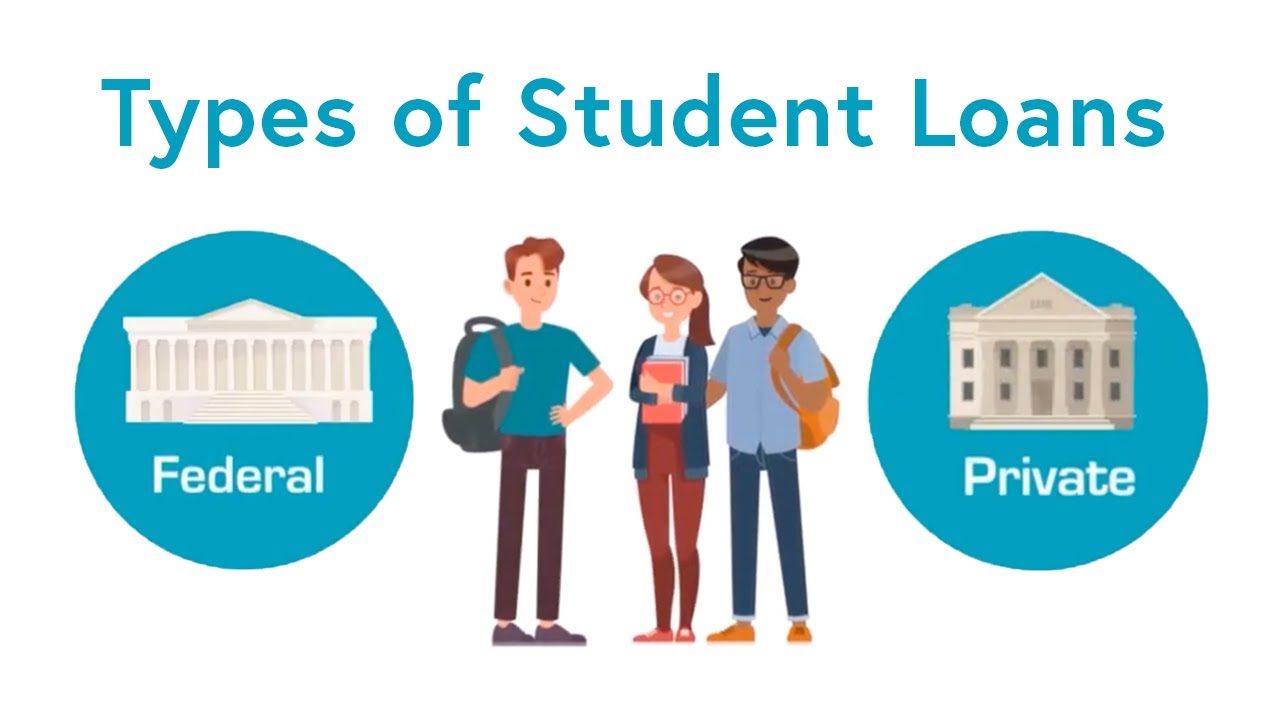
As the cost of higher education continues to rise, private student loans have become an increasingly popular option for students needing to bridge the gap between federal loans and the full cost of their education. Unlike federal student loans, which are funded by the government, private student loans are offered by banks, credit unions, and other financial institutions, each setting its terms and conditions. This article provides a detailed overview of how private student loans work, helping students and their families make informed financial decisions.
Fundamentals of Private Student Loans
Private student loans are designed to cover educational expenses that federal financial aid, scholarships, and grants do not. These loans can be used for tuition, room and board, books, and other education-related expenses. Since they are not subsidized by the government, private student loans often carry higher interest rates and require a credit check for approval.
Eligibility and Application: To qualify for a private student loan, applicants typically need a good credit score or a cosigner with good credit. This is because private lenders assess credit risk differently than federal loan programs, focusing more on creditworthiness and potential future income. The application process involves choosing a lender, completing an application, and providing documentation of enrollment in an eligible institution.
Interest Rates and Repayment Terms: Private student loans usually offer variable or fixed interest rates. Variable rates can change over the life of the loan, potentially leading to unpredictable payment amounts. Fixed rates, however, remain the same throughout the term of the loan, providing a consistent monthly payment. Borrowers must understand these details, as they significantly impact the total cost of the loan over time.
Fees and Penalties: Lenders may charge application fees, origination fees, and late payment fees. Some loans also impose penalties for paying off the loan early (prepayment penalties). These fees should be carefully considered when comparing different loan options, as they can add to the overall cost of borrowing.
Repayment Plans and Flexibility
Repayment options for private student loans are typically less flexible than those for federal loans. Many private loans require payments while the student is in school, though some lenders offer deferred payment options until after graduation. The standard repayment period varies but generally ranges from 5 to 20 years. Some lenders offer graduated repayment plans that start with lower payments that increase over time as the borrower’s income is expected to grow.
Grace Periods and Forbearance: Private loans may or may not have a grace period—a time during which the borrower is not required to make payments after leaving school. Additionally, options for forbearance—allowing borrowers to temporarily suspend payments due to financial hardship—are usually more limited than with federal loans and often accrue interest during the forbearance period.
Comparing Private and Federal Student Loans
While federal student loans offer fixed interest rates and income-driven repayment plans, they might not cover the full cost of education, particularly at more expensive institutions or for certain professional degrees. This is where private student loans come into play. However, borrowers should exhaust their federal loan options before turning to private loans due to the latter’s typically higher cost and fewer protections.
Advantages of Private Student Loans:
- They can provide additional funding when federal limits have been reached.
- Some lenders offer competitive interest rates for borrowers with excellent credit.
- They can cover educational expenses that federal loans do not, like summer courses or study abroad programs.
Disadvantages of Private Student Loans:
- They often have higher interest rates and less favorable terms than federal loans.
- They lack flexible repayment options and protections such as loan forgiveness programs that come with federal loans.
- Creditworthiness is a significant factor, and many students need to secure a cosigner.
Choosing the Right Loan
Selecting the right private student loan requires careful consideration. Prospective borrowers should compare offers from multiple lenders, examining not just the interest rates but also fees, repayment options, and borrower protections. It’s also advisable to consider the lender’s reputation and customer service, as these can significantly impact the borrowing experience.
Conclusion
Private student loans are a crucial component of financing higher education for many students, filling the financial gap left by other forms of aid. They require careful consideration and understanding of terms, interest rates, and repayment options. By thoroughly researching and comparing loan offers, students can find the best financial product to meet their needs without compromising their financial future.
