



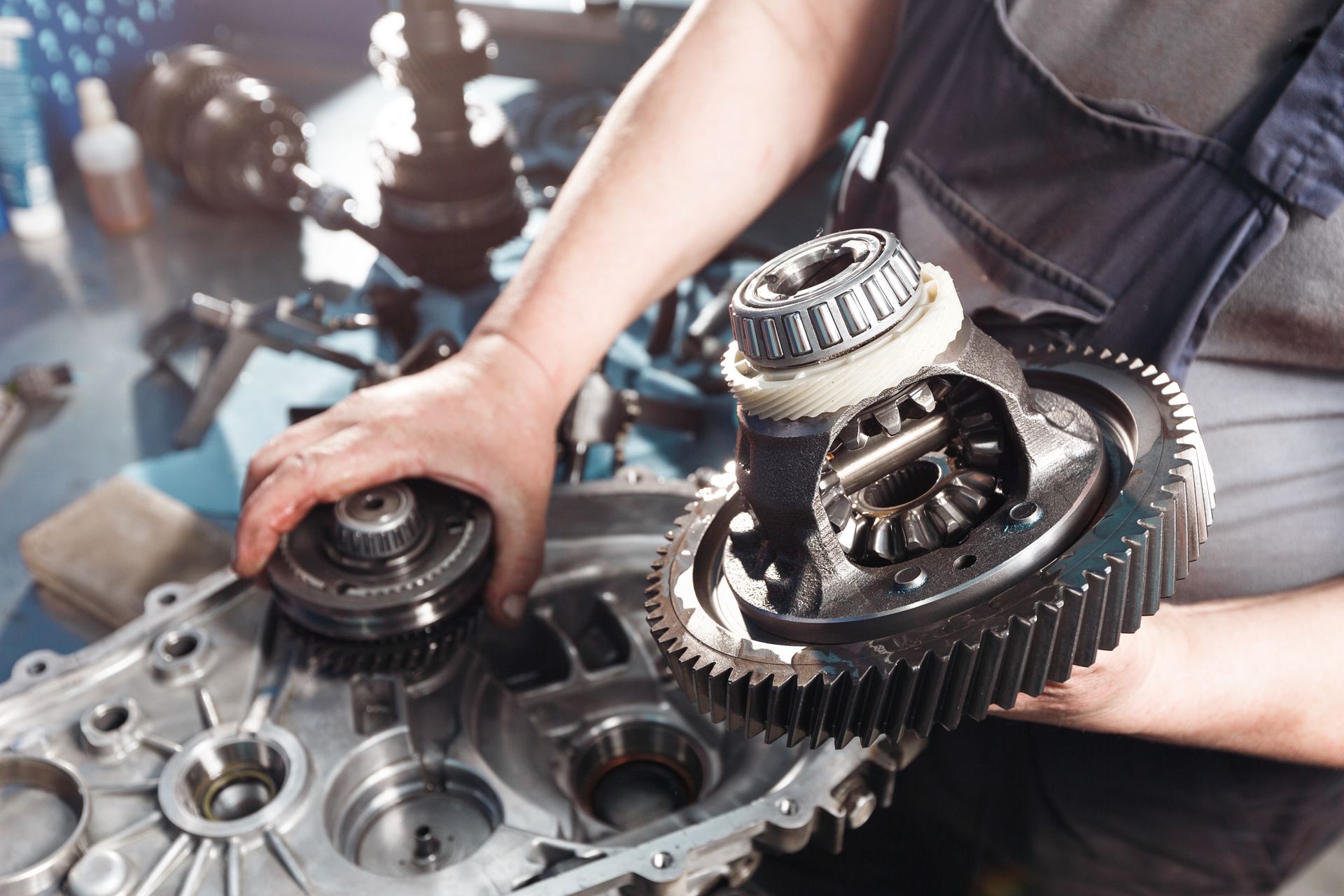
Maintaining the health of your vehicle’s transmission is crucial for ensuring its longevity and optimal performance. Regular transmission maintenance helps prevent costly repairs and keeps your car running smoothly. For residents of California, RSC Automotive Repair Center LLC offers expert transmission care and other San Clemente auto service packages to ensure that your vehicle remains in top condition. This post explores the key aspects of transmission maintenance and why it’s essential to stay on top of it.
Transmission Fluid Checks: How Often to Check and Change Transmission Fluid
1. Frequency of Checks
Maintaining a properly operating transmission system in your car is absolutely dependent on transmission fluid. It lubricates the internal components, helps in smooth gear shifts, and cools the transmission. Regular checks and changes are essential to avoid potential issues. Experts recommend checking the transmission fluid level every 30,000 to 60,000 miles, but it’s always good to consult your vehicle’s owner’s manual for specific intervals. If you’re looking for heavy duty cooling be sure to visit Natrad.
2. When to Change
Transmission fluid should be replaced every 30,000 to 60,000 miles, depending on driving conditions and manufacturer recommendations. If you often drive in harsh conditions—such as towing or frequent stop-and-go traffic—you might need to change the fluid more frequently. Regular changes prevent the fluid from becoming contaminated, which can lead to poor transmission performance and damage.
Signs of Transmission Problems: Common Symptoms Like Slipping, Hard Shifts, or Unusual Noises
1. Transmission Slipping
Transmission slipping occurs when the vehicle unexpectedly changes gears or hesitates during acceleration. It can be a sign of low or dirty transmission fluid, a failing clutch, or internal transmission issues. If your vehicle feels like it’s losing power or revs higher than usual without accelerating, it’s time to have it checked.
2. Hard Shifts
If you experience hard or jerky shifts when changing gears, this could indicate a problem with the transmission. Hard shifts can be caused by issues with the transmission fluid, solenoids, or the transmission control module. This symptom is often accompanied by a noticeable delay or clunking sound when shifting.
3. Unusual Noises
Unusual noises, such as whining, grinding, or clunking sounds, can signal transmission problems. These noises are often due to worn-out gears, bearings, or a lack of proper lubrication. If you hear any strange sounds while driving, it’s crucial to get your transmission inspected immediately to avoid further damage.
Transmission Flush vs. Fluid Change: Differences Between a Flush and a Fluid Change, and When Each is Necessary
1. Transmission Fluid Change
The old fluid is drained and replaced with new fluid during a transmission fluid change. This process helps maintain the transmission’s performance and prevent overheating. It’s a routine maintenance task typically performed at regular intervals as recommended by the vehicle manufacturer.
2. Transmission Flush
A transmission flush is a more comprehensive service that involves cleaning the entire transmission system. During a flush, a cleaning solution is added to the transmission to remove contaminants, and then the old fluid is replaced with new fluid. A flush is generally recommended if the transmission fluid is extremely dirty or if you’re experiencing significant performance issues.
3. When to Choose Each
A fluid change is usually sufficient for regular maintenance, while a flush is necessary for vehicles with heavily contaminated fluid or specific performance issues. Always consult with a professional mechanic to determine the best course of action for your vehicle’s transmission needs.
Regular Inspections: Importance of Having Your Transmission Inspected by a Professional
1. Preventative Maintenance
To catch problems before they escalate, have a skilled technician take a look at your vehicle on a regular basis. During an inspection, a technician checks the transmission fluid level, examines the condition of the fluid, and tests the transmission’s performance. This preventative maintenance helps ensure that minor problems are addressed early, preventing costly repairs down the line.
2. Expert Diagnosis
A trained mechanic, like someone from RSC Automotive Repair Center LLC, can provide a thorough diagnosis of any transmission problems. They use specialized equipment to detect issues that may not be immediately apparent through regular driving. By having your transmission inspected regularly, you can maintain optimal performance and extend the life of your vehicle.
Cost of Neglect: Potential Costs and Consequences of Neglecting Transmission Maintenance
1. Repair Costs
Neglecting transmission maintenance can lead to significant repair costs. Issues such as slipping, hard shifting, and unusual noises can escalate into more severe problems if not addressed promptly. Major transmission repairs or replacements can be expensive, often costing thousands of dollars.
2. Performance Issues
Ignoring transmission maintenance can also lead to decreased vehicle performance. You may experience poor acceleration, reduced fuel efficiency, and overall sluggish driving. These performance issues can affect your daily driving experience and compromise your vehicle’s reliability.
3. Safety Risks
A malfunctioning transmission poses safety risks, as it can lead to unexpected stalls or difficulty controlling the vehicle. Regular maintenance helps ensure that your transmission operates smoothly, reducing the risk of accidents caused by transmission failures.
Conclusion
Regular transmission maintenance is essential for keeping your vehicle in top condition and avoiding costly repairs. By adhering to a maintenance schedule and addressing any issues promptly, you can ensure smooth performance and longevity for your transmission. For comprehensive transmission care and any other Orange County auto repair service you may need, you can rely on RSC Automotive Repair Center LLC, where expert technicians provide top-notch service to keep your vehicle running smoothly. Prioritizing transmission maintenance not only protects your vehicle but also ensures your safety on the road.


