

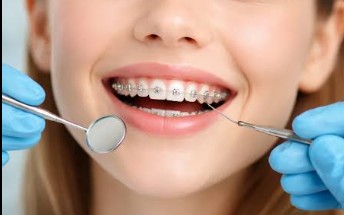
You might be feeling a mix of curiosity and pressure right now. Maybe you started by just wanting straighter teeth, yet suddenly you are hearing words like “facial balance,” “profile,” and “aesthetic harmony” from your cosmetic dentist or orthodontist, and even treatment options such as Tooth extraction in Van Nuys. It can feel like the goalposts moved from “fix my smile” to “change my whole face,” and that can be unsettling.end
At the same time, you probably sense that there is more to a beautiful smile than teeth lined up in a row. You may have seen treatment results where teeth looked straight, but the person’s lips, jawline, or profile seemed off. Because of this tension, you might wonder where the line is between helpful planning and overdoing it.
Here is the short version. Modern orthodontic planning is not just about teeth. It is about how teeth, jaws, lips, and facial bones work together to support your health, your bite, and your appearance as you age. When done thoughtfully, facial aesthetics in orthodontics means planning treatment that respects your natural features, protects your oral health, and still gives you a smile you feel confident sharing.
Why “just straight teeth” is no longer enough in orthodontic care
It often starts simply. You notice crowding, a gap, or a bite that does not feel right. You go to a cosmetic dentist or orthodontist, expecting a quick plan for braces or clear aligners. Then the conversation shifts to your jaw position, your profile, maybe even your airway. It can feel like far more than you bargained for.
The problem is that teeth do not live in isolation. They are anchored in bone, which is part of your face, and your face is constantly changing with growth, aging, and daily function. If a provider only focuses on lining up teeth without looking at your lips, cheeks, chin, and jaw joints, the result can be technically “straight” but still not look or feel right.
Here is where the stress often creeps in. You may worry that:
- Your face will look “pulled back” or too flat if teeth are removed.
- Your lips will look thinner or your smile will look artificial.
- You will invest time and money, only to feel self conscious in a new way.
- Complex plans involving surgery, extractions, or long treatment times are being suggested without clear explanation.
So where does that leave you?
Modern planning tries to answer a bigger question. Not just “How can we move these teeth” but “How will this treatment affect your whole face, your bite, your speech, and your long term oral health.” Research on craniofacial growth and anomalies has shown how closely teeth, jaws, and facial bones are linked. Good planning respects that link instead of ignoring it.
What “facial aesthetics” means in practical, everyday terms
When a cosmetic dentist or orthodontist talks about facial aesthetic orthodontic planning, they are usually thinking about several connected questions.
- How do your upper and lower jaws relate to each other when you bite?
- How do your teeth support your lips and cheeks from the front and from the side?
- What does your profile look like now, and how might it change after treatment?
- Are there jaw or skeletal issues that affect both your appearance and your function?
To make this more concrete, imagine two “what if” scenarios.
Scenario 1. Teeth-focused only
A teen has crowded teeth and a small upper jaw. The plan is made just to straighten teeth. Crowding is relieved by moving teeth back, but the upper lip loses some support and the profile looks flatter. The bite might be stable, yet the face looks slightly older and less balanced than it needed to.
Scenario 2. Face-aware planning
Same teen, same crowding, but the planning includes the profile, future growth, and how the lips sit at rest. The provider chooses a plan that widens the upper arch instead of simply pulling teeth back. The result is straighter teeth, a fuller smile, and a profile that still looks natural as the child grows into adulthood.
The emotional side of this is real. When your face is involved, it is not just a medical choice. It is about identity, confidence, and how you present yourself at work, in photos, and with loved ones. Financially, more advanced planning may mean higher costs or longer treatment. Yet it also lowers the risk of needing retreatment later because the original plan did not consider your full facial structure.
Health wise, it is not only about looks. Aligning teeth and jaws correctly can support chewing, speech, and jaw joint comfort. Conditions like malocclusion and jaw misalignment can affect everyday life, and resources like MedlinePlus on malocclusion explain how bite problems can go beyond appearance.
Comparing goals. Straight teeth or a balanced face and healthy bite?
When you are trying to decide what kind of care you want, it helps to compare a narrow “teeth only” focus with a wider, face-aware approach. This is not about one being “good” and the other “bad.” It is about being honest about the tradeoffs.
| Aspect | Teeth-only orthodontic focus | Facial aesthetics based orthodontic planning |
|---|---|---|
| Main goal | Make teeth straight and close gaps | Align teeth and jaws while keeping or improving facial balance |
| How the face is considered | Minimal attention to profile or lip support | Profile, lip posture, and smile width are part of every decision |
| Common tools | Standard braces or aligners with simple tooth movements | 3D imaging, photos, growth forecasts, sometimes surgical input |
| Short term experience | May be simpler and sometimes shorter | Planning can feel more detailed and sometimes more complex |
| Long term outcome | Straight teeth, but facial changes are less predictable | Smile and bite designed to age more naturally with your face |
| Who often benefits most | Mild crowding with already balanced facial features | Anyone with jaw size differences, strong profiles, or airway concerns |
Understanding this comparison can help you ask better questions and push for a plan that respects both your appearance and your health. Organizations like the National Institute of Dental and Craniofacial Research focus on the bigger picture of oral and facial health, which is the same broader view you want your provider to have.
Three practical steps to protect your smile and your face
- Ask your provider to “walk you through” your facial changes
You are allowed to ask more than “Will my teeth be straight.” Ask:
- How will this plan change my profile from the side.
- Will my lips look fuller, flatter, or about the same.
- How does this plan affect my jawline and chin position.
- Are extractions being suggested only for space, or also for facial balance.
Ask to see before and after examples of similar patients when possible. A thoughtful cosmetic dentist and orthodontist will be ready to talk about your whole face, not just your front teeth.
- Get a second opinion if you feel rushed or unheard
If you feel like your questions about appearance are brushed off, it is reasonable to seek another view. You can say something like, “I want to understand how this will affect my face, not just my teeth.” You deserve clear explanations in simple language, not jargon or pressure.
A second opinion can either confirm that the plan is sound or give you new options. Either way, you gain confidence and a sense of control, which matters a lot when the treatment will change how you look.
- Be honest about your goals, including what you do not want
This is your face. Say what matters to you. You might share:
- “I want a wider smile, but I do not want my lips to look thinner.”
- “I am open to longer treatment if it protects my profile.”
- “I am nervous about surgery. Are there non surgical options, and what are their tradeoffs.”
Clear goals help your provider tailor a plan that respects your wishes. It also helps them explain when a certain request could affect your bite or health so you can weigh appearance against function with open eyes.
Moving forward with confidence in your orthodontic plan
Feeling uncertain about changes to your face is human. You are not being vain, difficult, or “too picky.” Your face is how you greet the world and how you recognize yourself in the mirror. Any plan that changes it deserves thoughtful, respectful discussion.
Modern orthodontic and cosmetic dental treatment works best when it aims for healthy function and natural looking facial balance at the same time. When you understand what “facial aesthetics” really means, you can ask sharper questions, push for clarity, and choose a path that feels right to you, not just to a chart or a computer screen.
You do not have to figure this out alone. Start by asking your provider to explain how your treatment plan supports your face, your bite, and your long term oral health. If anything feels unclear, you are allowed to slow things down, get more information, and make sure the plan respects both your smile and the person behind it.
