



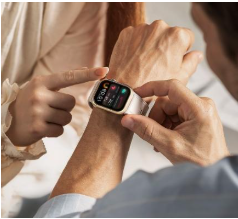
Smartwatches have become indispensable tools in modern health management. By combining sophisticated sensors with intuitive apps, these wearable devices empower users to monitor their well-being and take proactive steps toward a healthier lifestyle. Whether it’s tracking physical activity or offering insights into sleep quality, smartwatches serve as personalized health assistants on the wrist. For individuals managing chronic conditions, these devices offer much more than convenience—they provide a lifeline for understanding and improving health metrics in real-time. The ability to monitor critical metrics like heart rate, blood pressure, and oxygen levels has transformed how we approach both preventive care and ongoing treatment.
Key Metrics Measured by Smartwatches for Health Tracking
Smartwatches excel at monitoring vital health metrics, bridging the gap between daily activities and comprehensive health insights. With advancements in technology, they provide an accurate and continuous analysis of the body’s key indicators.
Heart Rate and Cardiovascular Health
One of the foundational features of smartwatches is heart rate monitoring. By tracking beats per minute (BPM) throughout the day, these devices provide insights into resting heart rates, recovery times, and overall cardiovascular fitness. Advanced models can even detect irregularities such as arrhythmias, prompting users to seek medical advice if needed. Additionally, pairing heart rate data with fitness tracking enables users to optimize workout intensity for maximum efficiency. Athletes and casual users alike benefit from the ability to measure performance improvements while avoiding overexertion.
Blood Pressure and Hypertension Management
Managing blood pressure is a critical aspect of health, particularly for those at risk of hypertension or cardiovascular disease. The Huawei Watch D2 is an excellent example of how technology addresses this need. Equipped with dynamic blood pressure monitoring, it offers 24/7 tracking and delivers insights into systolic and diastolic trends over time. Users can measure their blood pressure effortlessly—whether at work, during leisure, or while sleeping—ensuring continuous oversight. Moreover, the watch generates weekly reports to help users understand their blood pressure trends and adopt healthier practices. For those wondering how to bring your blood pressure down instantly, smartwatches like the Huawei Watch D2 also provide helpful immediate feedback.
Advanced Health Monitoring Features for Personalized Care
Smartwatches go beyond basic metrics to offer advanced monitoring features tailored to individual needs.
Sleep Tracking and Sleep Disorder Detection
Sleep plays a vital role in overall health, and smartwatches have revolutionized the way we understand sleep quality. Devices equipped with comprehensive sleep tracking measure key metrics such as duration, REM cycles, and breathing patterns. Some models even detect signs of sleep apnea or other disturbances, alerting users to potential issues. By providing detailed sleep reports, smartwatches help users identify habits that disrupt rest, such as late-night screen time or irregular schedules. With actionable insights, individuals can make meaningful changes to improve their nightly recovery and overall energy levels.
SpO2 Monitoring for Respiratory Health
Blood oxygen saturation (SpO2) is another critical metric that smartwatches monitor to assess respiratory and overall health. By measuring the percentage of oxygen in the blood, these devices provide an early warning for conditions like hypoxia, which can arise from sleep apnea, chronic respiratory diseases, or even high-altitude exposure. For athletes, SpO2 monitoring is particularly valuable, ensuring their bodies are efficiently delivering oxygen during intense workouts. Real-time alerts allow users to adjust their activities and recover safely when levels dip below optimal ranges.
How Smartwatches Use Data for Proactive Health Management
Smartwatches leverage the vast amounts of data they collect to help users take a proactive approach to their health.
Tracking Physical Activity and Fitness Progress
From step counts to calorie burn, smartwatches provide a complete overview of daily activity levels. Advanced devices integrate GPS tracking and heart rate monitoring to measure workout intensity and progress more accurately. By analyzing patterns over weeks or months, users gain a clearer picture of their fitness journey, motivating them to stay consistent. This comprehensive tracking not only supports long-term fitness goals but also encourages small, daily improvements that lead to sustainable lifestyle changes.


Stress and Mental Health Monitoring
Mental health is as important as physical health, and smartwatches recognize this need by incorporating stress management features. Using heart rate variability (HRV) as a proxy, these devices measure stress levels and provide tools like guided meditation or breathing exercises to help users find balance. For individuals with chronic health conditions, managing stress is particularly crucial, as it can exacerbate symptoms or lead to further complications. Smartwatches empower users to keep mental well-being in check through regular self-assessment and relaxation techniques.
The Future of Health Metrics and Smartwatches
The future of health-focused smartwatches is incredibly promising. With continuous advancements in artificial intelligence, wearables are becoming even more adept at delivering personalized health insights. Machine learning algorithms analyze patterns in user data, predicting potential health risks and suggesting preventive measures. Innovations like multi-sensor arrays, improved battery life, and seamless integration with healthcare providers are also on the horizon. These enhancements will enable smartwatches to play a central role in telemedicine, offering remote monitoring capabilities and reducing the need for in-person visits. Moreover, partnerships between smartwatch manufacturers and healthcare organizations will likely expand the scope of wearable technology, making it accessible to broader populations.
Conclusion
Smartwatches have redefined what it means to take control of personal health. By offering real-time tracking, personalized insights, and tools for proactive management, these devices empower individuals to lead healthier lives. Whether it’s monitoring vital metrics, improving fitness, or managing stress, smartwatches act as indispensable companions in the journey toward better health. As technology continues to advance, the capabilities of smartwatches will only grow, solidifying their role as essential tools in managing both physical and mental well-being. By integrating these devices into daily life, users gain a powerful ally in maintaining and improving their overall health.


