

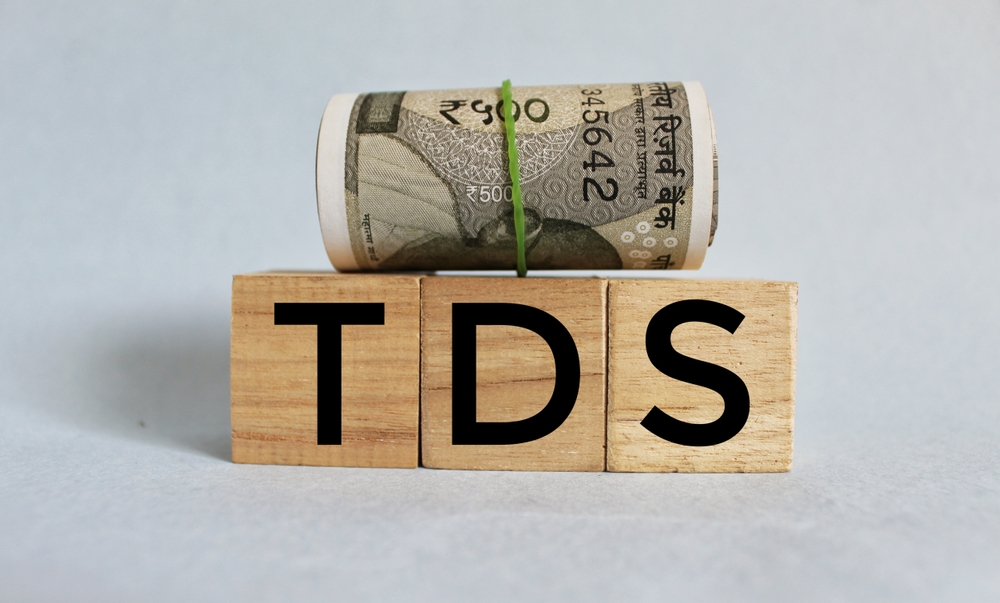
Have you ever noticed that your salary is less than what was promised? That’s because some money gets cut before it reaches you. This cutting of money is called TDS.
Let’s talk about what is TDS in income tax and how it affects you when buying a house or land.
What Does TDS Mean?
TDS means Tax Deducted at Source. The name itself tells you what happens. Tax gets deducted at the source – which means right where the money comes from.
When your company pays you salary, they take out some tax first. When you get rent, the person paying takes out tax. When you buy property, you take out tax before paying the seller.
The deducted money goes straight to the government.
Why This System Exists
The government wants to collect taxes on time. They don’t want to wait till the end of the year.
Think of it like saving money every month instead of saving a huge amount once a year. It’s easier that way.
Here’s what TDS does:
- Brings money to the government regularly
- Makes sure people don’t escape taxes
- Spreads out the tax payment over time
- Helps the government run the country smoothly
A Simple Example
Let me explain with a story. Raj works in an office. His salary is Rs 40,000 every month. But he only gets Rs 36,000 in his account.
Where did Rs 4,000 go? His company sent it to the government as his tax. This is TDS working.
The same happens when people buy houses or land.
TDS on Property – The Basics
Now comes the interesting part. When you buy property, you also need to cut the TDS on property.
But there’s a catch. You only do this if the property costs more than Rs 50 lakhs.
Bought a flat for Rs 45 lakhs? No TDS needed.
Bought a house for Rs 70 lakhs? Yes, you must deduct TDS.
How Much to Deduct?
The rule is simple. Deduct 1% of the property price.
Let’s say you’re buying a house for Rs 60 lakhs.
Calculate: 1% of Rs 60 lakhs = Rs 60,000
So you’ll pay:
- Rs 60,000 to the government (as TDS)
- Rs 59,40,000 to the seller
The seller gets less money in hand, but they can claim this tax later.
When You Don’t Need to Cut TDS
Some situations don’t need TDS at all:
Property under Rs 50 lakhs – pay the full amount to the seller
Buying farm land – no TDS required
Buying from government – they don’t need you to deduct tax
These are the main exceptions you should know.
How to Actually Pay This TDS
Paying TDS sounds complicated but it’s not. Just follow these steps.
First, ask the seller for their PAN card number. You cannot proceed without this.
Second, go online to the income tax website and find Form 26QB.
Third, fill in all the details – your PAN, seller’s PAN, property details, and amount.
Fourth, pay the TDS amount online. You can use net banking or debit card.
Fifth, download the receipt. This is called a challan.
Last, give one copy of this challan to the seller. They need it for their tax records.
What If You Forget to Deduct?
Many people forget this step. Then they face problems.
The government will ask you to pay interest. You might also get a penalty notice.
Sometimes you have to pay the TDS from your pocket even after paying the full amount to the seller.
It’s better to do it right the first time.
The PAN Card Rule
Here’s something very important. The seller must give you their PAN card details.
What if they don’t have a PAN card? Then the TDS rate jumps to 20%.
Yes, you read that right. Instead of 1%, you cut 20%.
On a Rs 60 lakh property, that’s Rs 12 lakhs instead of Rs 60,000.
This is a huge difference. So sellers always provide their PAN card.
Timeline Matters
You cannot delay paying this TDS. The government has set a deadline.
Pay the TDS within 30 days of giving money to the seller.
If you paid the seller on January 10th, deposit the TDS by February 9th.
Missing this deadline brings penalties and interest charges.
Things People Get Wrong
I’ve seen many buyers make these mistakes:
Not asking for PAN card details from the seller
Thinking properties under Rs 50 lakhs also need TDS
Forgetting to give the challan copy to the seller
Paying TDS late and then facing penalties
Calculating 1% wrong and paying less
Be careful about these points.
Why TDS Helps Everyone
You might wonder why this system exists. It actually helps.
For the government, money comes in regularly. They can plan budgets better.
For you as a taxpayer, you don’t have to arrange huge amounts at year-end.
For the seller, the TDS they paid reduces their final tax bill. When they file returns, this amount gets adjusted.
Everyone benefits when the system runs smoothly.
One More Thing
TDS is not just for property. It applies to many transactions.
Salary, rent, contractor payments, commission, and many other things have TDS.
Understanding what is TDS in income tax helps you handle your money better.
You know where your money is going and why.
Wrapping Up
Buying property is exciting. Don’t let TDS confusion spoil that excitement.
Remember the main points:
Properties above Rs 50 lakhs need 1% TDS. Get the seller’s PAN card before anything else. Pay TDS within 30 days. Keep all documents safe.
That’s all you need to know about TDS on property.
Follow these simple rules and your property purchase will go smoothly. The government gets their tax, the seller gets proper credit, and you stay on the right side of the law.
