



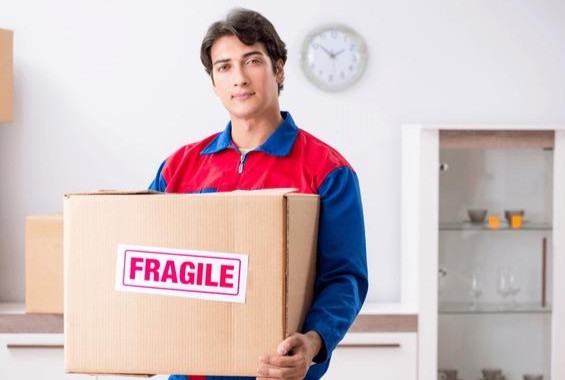
San Jose, California, is one of the largest cities in the Bay Area and is known for its technology industry and diverse residential communities. Moving between apartments, townhouses, and larger homes can involve narrow access points, staircases, and other obstacles that make transporting bulky or delicate belongings more challenging.
Antiques, family heirlooms, artwork, mirrors, glass furniture, electronics, large appliances, heavy furniture, plants, temperature-sensitive items, and hazardous materials may require specialized packing or handling arrangements.
Hiring San Jose local movers can help you plan for these challenges, especially when your belongings require extra care during packing and transportation.
Here are the key items to identify before moving day and how to prepare them for a safer move:
1. Antiques and Family Heirlooms
Antique furniture, vintage decorations, collectible clocks, and inherited belongings may be difficult or expensive to replace. Older items can have weakened joints, delicate finishes, or components that loosen during transportation.
Before moving these pieces, inspect their condition and photograph any existing scratches or damage. Wrap them in suitable protective materials and avoid placing heavy boxes on top of them. If a piece has fragile legs, decorative carvings, or loose components, ask the moving company how it should be prepared.
2. Artwork, Mirrors, and Glass Items
Paintings, framed photographs, mirrors, glass tabletops, and decorative sculptures can break or suffer surface damage if they are packed incorrectly.
Use appropriately sized boxes and protective padding, and keep glass surfaces from rubbing against other objects. Valuable paintings may require custom crates or materials suited to their frames and finishes.
Tell your movers about oversized or unusually shaped pieces in advance.
3. Electronics and Computer Equipment
Televisions, desktop computers, gaming systems, printers, and other electronic devices can be damaged by impacts, pressure, moisture, or poor packing.
Whenever possible, use the original packaging and molded inserts. Otherwise, choose sturdy boxes with suitable cushioning. Disconnect cables carefully, label them, and keep small accessories together in clearly marked bags.
Back up important computer files before the move. For equipment with removable batteries or special transportation requirements, follow the manufacturer’s instructions and applicable transport rules.
4. Large Appliances
Refrigerators, washing machines, dryers, and other major appliances often need preparation before they can be moved safely.
Refrigerators generally need to be emptied and cleaned, while washing machines may require the drum to be secured according to the manufacturer’s instructions. Some appliances also need special disconnection or installation procedures. Arrange qualified assistance for gas lines or complicated electrical connections.
5. Heavy or Oversized Furniture
Large sofas, solid wood tables, wardrobes, adjustable beds, and bulky cabinets can be difficult to maneuver through doorways and stairwells. Their weight also increases the risk of injury if they are lifted incorrectly.
Measure furniture and tight passageways before moving day. Remove detachable parts when appropriate, protect corners, and keep screws or other hardware in labeled bags.
When discussing your inventory with San Jose local movers, identify oversized pieces and explain any access restrictions at both properties. This gives the crew an opportunity to determine whether additional equipment or special handling is needed.
6. Plants and Temperature-Sensitive Items
Houseplants, delicate garden plants, and certain temperature-sensitive belongings may not tolerate long periods inside a moving vehicle. Heat, cold, limited ventilation, and lack of water can affect their condition.
Ask the moving company whether it transports plants and what restrictions apply. For long-distance moves, transporting plants yourself may be more practical. Wine collections, certain cosmetics, and other temperature-sensitive products should be reviewed individually to determine the best way to transport them.
7. Hazardous Materials and Restricted Items
Paints, fuels, propane tanks, solvents, fireworks, and some cleaning products can pose safety risks during transportation. Many moving companies will not load these items because they may be flammable, corrosive, or otherwise hazardous.
Check the company’s prohibited-items list before packing. Follow local disposal guidance for materials that cannot be transported, and never place unidentified chemicals in moving boxes.
Key Takeaways
- Antiques and heirlooms may need extra padding or specialized packing.
- Artwork, mirrors, and glass furniture require protection against impact and scratches.
- Electronics should be packed securely, with cables labeled and important files backed up.
- Appliances may need cleaning, disconnection, or preparation before moving.
- Heavy furniture should be measured and assessed for safe access.
- Confirm whether plants and temperature-sensitive belongings can be transported.
- Check prohibited-item policies before packing hazardous materials.
- Tell your movers about special-handling needs before moving day.


