



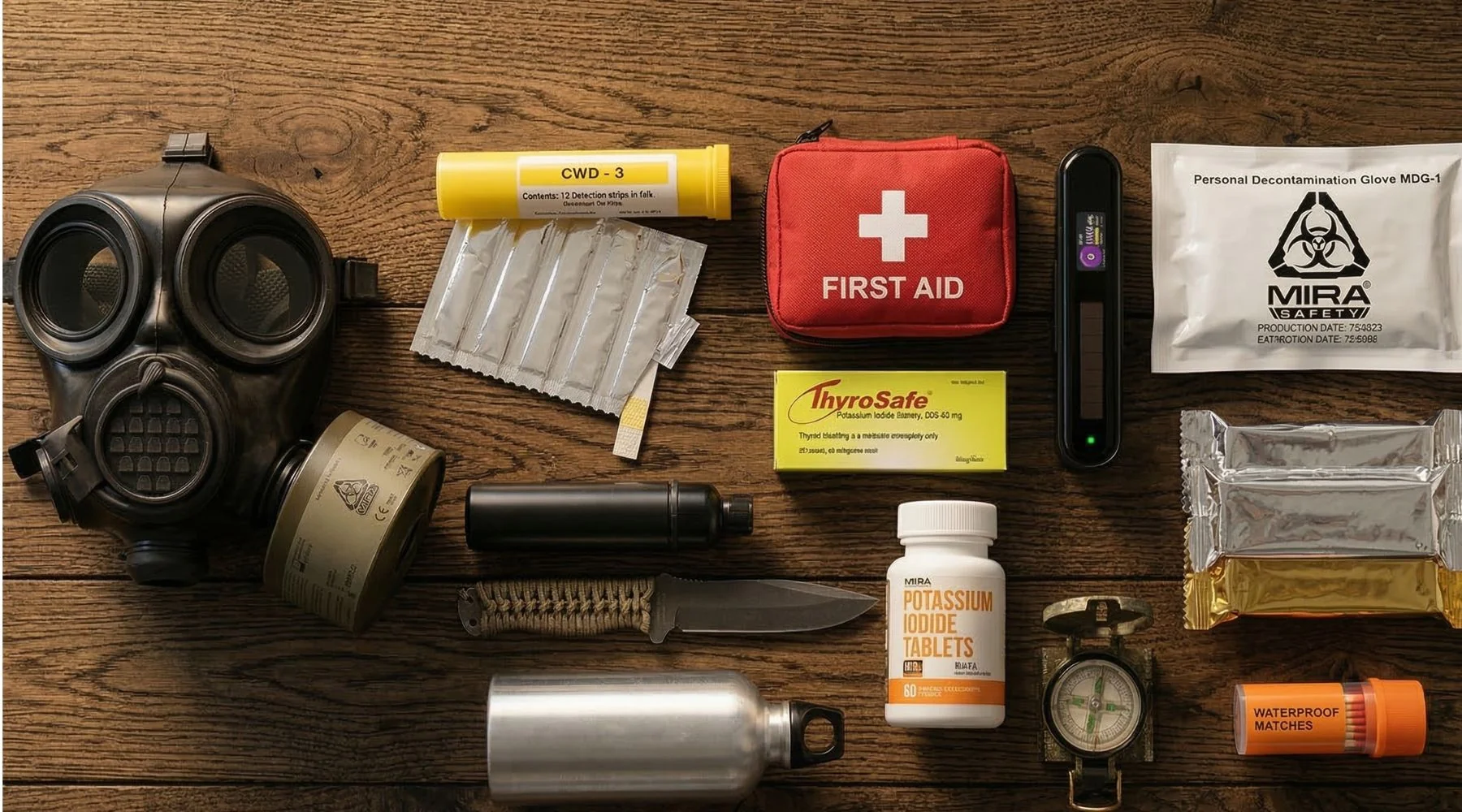
Mention the word preparedness, and many people picture a basement packed with shelves of supplies, complicated gear, and enough canned food to outlast a zombie movie.
Ask someone who’s been preparing for years, though, and you’ll hear a very different perspective.
Most experienced preppers aren’t trying to predict the next headline. They’re trying to make everyday problems less disruptive. A prolonged power outage, an unexpected job loss, a severe storm, or a broken water main is far more likely to affect daily life than the dramatic scenarios that dominate television and social media.
That’s one of the biggest lessons longtime preppers wish more people understood: readiness isn’t about fear. It’s about reducing stress when life becomes inconvenient.
The Best Time to Prepare Is During Ordinary Days
Emergencies have terrible timing.
They rarely wait until the pantry is full, the phone is charged, or everyone’s schedule is clear. That’s why experienced preppers don’t scramble when bad weather is in the forecast. They prepare long before forecasts become urgent.
Simple habits make the biggest difference. Replacing flashlight batteries before they die, rotating pantry items before they expire, and keeping a few extra household essentials on hand require little effort. Yet those small routines eliminate a surprising amount of last-minute anxiety.
Preparedness is much less dramatic than people imagine. It’s mostly maintenance.
Skills Last Longer Than Supplies
Buying equipment is easy. Knowing how to use it confidently is another matter.
A portable generator doesn’t help much if you’ve never started it. A first-aid kit becomes more useful when someone in the house understands basic wound care. Even something as straightforward as turning off your home’s water supply becomes valuable knowledge when a pipe bursts unexpectedly.
Longtime preppers often place more value on learning than accumulating.
Take a first-aid course. Practice using emergency equipment before it’s needed. Learn basic home repairs. Understand how to cook without relying entirely on electricity. Knowledge doesn’t expire.
Convenience Is Easy to Take for Granted
Modern life runs on systems we rarely notice until one stops working.
Electricity powers everything from internet routers to refrigerators. Water flows with the turn of a faucet. Grocery stores restock regularly enough that most people don’t think twice about tomorrow’s meals.
Then a winter storm closes roads for two days. Or a regional outage leaves neighborhoods without power. Suddenly, the conveniences that once felt automatic become impossible to ignore.
Experienced preppers don’t assume these systems will always fail. They simply recognize that temporary interruptions happen, and having a plan makes those interruptions easier to manage.
Preparation Should Fit Your Life
One common mistake is copying someone else’s preparedness plan without considering your own circumstances.
A family living in a suburban neighborhood has different priorities than someone in a rural community. Apartment residents face different challenges than homeowners with acreage. Climate, local weather, medical needs, pets, and work schedules all influence what practical readiness looks like.
There’s no universal checklist that fits everyone. The best preparedness plan is the one you’ll actually maintain.
Rotate, Don’t Hoard
Supplies hidden away and forgotten aren’t much help. Longtime preppers usually rotate food, batteries, medications, and other household essentials as part of normal life. Older items get used before they expire, and replacements quietly take their place.
This approach saves money, reduces waste, and keeps emergency supplies familiar rather than mysterious.
Preparedness works best when it blends into everyday routines instead of becoming a separate hobby.
Community Matters More Than People Expect
There’s a persistent myth that preparedness is a solitary pursuit. In reality, experienced preppers often value community just as highly as equipment.
Good neighbors share information during storms, check on older residents, recommend reliable contractors, and help one another recover after unexpected events. Local relationships create resources that no emergency kit can replace.
A borrowed ladder, a helping hand clearing fallen branches, or someone with a generator can solve problems faster than working alone. Readiness grows stronger when communities work together.
Responsible Firearm Ownership Is Part of a Larger Plan
For those who lawfully own firearms, responsible ownership fits into preparedness much like first-aid supplies, emergency lighting, or backup communication devices, it serves a specific purpose within a broader safety plan rather than defining it.
The same practical thinking applies to ammunition. Some firearm owners compare rimfire ammo based on reliability, accuracy, consistency, and how well it performs in their specific firearm. Whether used for recreational shooting, training, or other lawful purposes, dependable function and careful testing are far more important than marketing language. Safe storage and responsible handling remain essential at every stage.
Start Smaller Than You Think
One reason people avoid preparedness is the mistaken belief that they need to do everything at once. That’s a fast way to become overwhelmed.
Instead, experienced preppers often recommend building readiness gradually. Add a few extra pantry items during regular grocery trips. Assemble a basic first-aid kit. Store emergency drinking water. Keep important documents organized. Create a family communication plan.
Each step is manageable. Together, they create meaningful resilience over time.
The Goal Is Confidence, Not Perfection
Preparedness isn’t about eliminating every possible risk. That’s impossible.
Unexpected situations will always happen, and no amount of planning removes every challenge. What readiness does provide is flexibility. It gives people more options when circumstances change unexpectedly.
That confidence doesn’t come from owning the latest gear or filling every shelf with supplies. It comes from knowing you’ve thought ahead.
Longtime preppers understand something that often gets lost in conversations about emergency readiness. The real reward isn’t having the biggest stockpile or the fanciest equipment. It’s waking up during a storm, a power outage, or another temporary disruption without immediately wondering what to do next.
The lights may be out. The roads may be closed. Plans may need to change.
But preparation has already done its job. It has replaced panic with a practical next step, allowing everyday life to continue with a little less uncertainty and a lot more peace of mind.


