



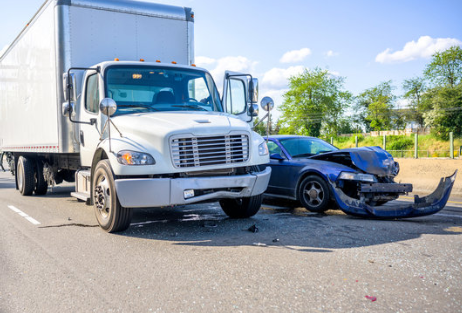
Truck accidents are often more dangerous than car accidents because commercial trucks are much larger, heavier, and harder to stop than passenger vehicles. The size and weight of an 18-wheeler can create a much stronger impact during a collision, increasing the risk of severe injuries and extensive damage.
Truck accidents can also involve complex safety issues, including driver fatigue, cargo problems, mechanical failures, and violations of commercial trucking rules. An 18-wheeler accident attorney can help investigate the facts surrounding a serious truck crash and identify the parties that may be responsible.
The Size and Weight Difference
The biggest difference between a commercial truck and a passenger car is size. An 18-wheeler can weigh tens of thousands of pounds and can be much heavier when carrying a full load of cargo.
This significant weight difference can create tremendous force during a collision. A smaller passenger vehicle may absorb much of the impact, increasing the risk of serious injuries to the people inside.
Large trucks are also longer and wider than cars. This can make them more difficult to maneuver quickly when traffic suddenly stops or another vehicle enters their path.
Longer Stopping Distances
Commercial trucks usually need more distance to stop than passenger vehicles. A fully loaded truck cannot stop as quickly as a smaller vehicle traveling at the same speed.
Road conditions, weather, traffic, vehicle speed, and the condition of the truck’s brakes can all affect stopping distance. When a truck driver follows another vehicle too closely, there may not be enough time to avoid a collision.
High speeds can make this danger even greater. The force created by a high-speed truck crash can cause severe injuries and extensive vehicle damage.
Large Blind Spots
Large trucks have significant blind spots, often called no-zones. A truck driver may have difficulty seeing vehicles directly beside, behind, or close to the front of the truck.
When a truck changes lanes without seeing a nearby vehicle, a serious collision can occur. Passenger vehicles can also become trapped in dangerous positions around the truck.
Truck drivers must use mirrors, check surrounding traffic, and follow proper safety procedures before making turns or changing lanes.
Cargo and Mechanical Problems
Commercial trucks may carry thousands of pounds of cargo. If cargo is improperly loaded or secured, it can shift during travel and affect how the truck handles.
In some cases, cargo may fall onto the road and create additional hazards for other drivers. Mechanical problems involving brakes, tires, steering systems, or other parts can also increase the risk of an accident.
Because several parties may be involved in maintaining and operating a truck, determining responsibility can be complicated.
Driver Fatigue and Long Hours
Truck drivers may spend many hours on the road. Fatigue can reduce reaction time and affect a driver’s ability to make safe decisions.
Federal safety rules place limits on driving hours and require certain rest periods. 49 CFR §395.3 establishes hours-of-service limitations for many property-carrying commercial motor vehicle drivers.
Electronic records, driver logs, and other evidence may help determine whether these rules were followed before an accident.
Multiple Parties May Be Responsible
A car accident may involve only one or two drivers, but a truck accident can involve several potentially responsible parties. The truck driver, trucking company, maintenance provider, cargo company, or another business may all play a role.
For example, a trucking company may be responsible for unsafe practices, while another party may have improperly maintained the vehicle or loaded the cargo.
Key Takeaways
- Commercial trucks are much larger and heavier than passenger cars.
- Their size can increase the force of a collision.
- Large trucks require more distance to stop safely.
- Blind spots can create serious risks for nearby vehicles.
- Driver fatigue, cargo problems, and mechanical failures may contribute to crashes.
- Truck accidents can involve multiple potentially responsible parties.
- Federal trucking regulations can be important when investigating a commercial truck accident.


