

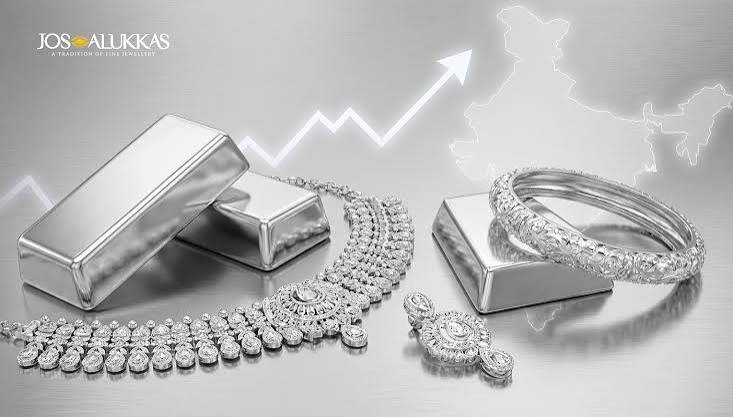
Silver is commonly bought in India for jewellery, investment, religious purposes, and industrial use. Silver prices may differ from one city to another, even though many purchasers think they are the same nationwide. The differences typically stem from local market conditions, not from a shift in silver’s fundamental value.
If you know what can affect a region’s price, you’ll be better prepared to make an informed purchase. When the buyer considers the price beyond the quoted rate, they can better determine the actual value of the silver purchase.
Why isn’t there a single silver price across India
The price of silver is influenced by both local and global commodity markets, which set benchmark rates that reflect global supply and demand and economic conditions. However, the benchmark prices serve only as a starting point when calculating the price the buyer will end up paying.
Retail prices can differ across cities even if the market trend remains unchanged. This is because local dealers factor in the costs of running their businesses into the prevailing market environment in their respective regions.
This regional difference is not necessarily representative of any major difference in silver prices overall and is common in commodity markets. It is important to understand the difference between benchmark prices and retail selling prices to help consumers better interpret price changes.
The factors that influence city-wise silver prices
The silver market is influenced by several factors, which make it different across various parts of India. The cost of transportation and logistics can differ depending on how silver is delivered to various markets.
Dealers also incur storage and security costs, as well as business costs, which may affect retail pricing. The local demand-supply situation is also a very important factor. Retailers can adjust prices during times of robust buying activity, based on market dynamics.
Other taxes or applicable charges at the State level, if any, may also help drive regional price differences. While these differences are usually fairly small, taken together, they help account for the fact that silver prices can vary across cities despite similar market trends.
How local market conditions influence what buyers pay
Silver prices can be significantly affected by regional buying patterns. Prices in local markets change during festivals, weddings, and other religious activities, as demand for these events increases. The competition between jewellers and bullion dealers can also affect the rates provided to their customers. Buyers may have more negotiating power in very competitive markets and can secure better deals.
As a result, many buyers keep an eye on the silver rate in Coimbatore and other cities to determine the current price of silver in India. Even though it is important to compare rates from several good sellers in the same area before buying, it is also crucial to compare a few rates from good sellers in that area before buying.
Why comparing rates alone isn’t enough before buying silver
The silver price quoted is just one of the final costs to be paid. It is also advisable for buyers to check the silver’s purity and, if applicable, the proper quality certification.
When creating jewellery and decorative pieces, the production charges can add up to a considerable sum to the overall price. Price can also be influenced by whether the buyer is buying coins, bars or jewellery, since each will have different pricing factors. It’s best to take a moment to review the invoice before signing the deal and to learn what the seller’s buyback/exchange policy is.
Likewise, when comparing the silver rate in Pondicherry or other cities, it is important to consider the total purchase cost, not just the listed market rate.
Making smarter silver-buying decisions
When it comes to buying silver, it’s not all about the lowest quoted price. It is important for the buyer to shop around, check the product’s quality, and understand all costs involved before making a purchase.
The intent of the buyer is just as crucial to consider. Purity, liquidity, and resale value might be key considerations for any investor, but craftsmanship and design may be more important for any jewellery buyer.
When looking at the overall value of the product, rather than the headline price, it helps consumers make more confident financial decisions. Understanding the various elements of pricing can also help minimise the chances of any unwanted expenses and enhance the purchasing process.
Conclusion
The prices of silver in India are different across the country, since retail pricing is dependent on market trends and local factors. The variations in size are small and natural and should be considered in relation to the total transaction.
Buyers can then make better, more confident choices when they take into account any extra charges, local market conditions, and purity, in addition to the prevailing rates.
