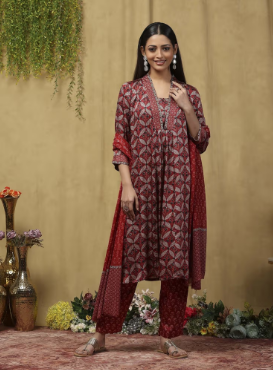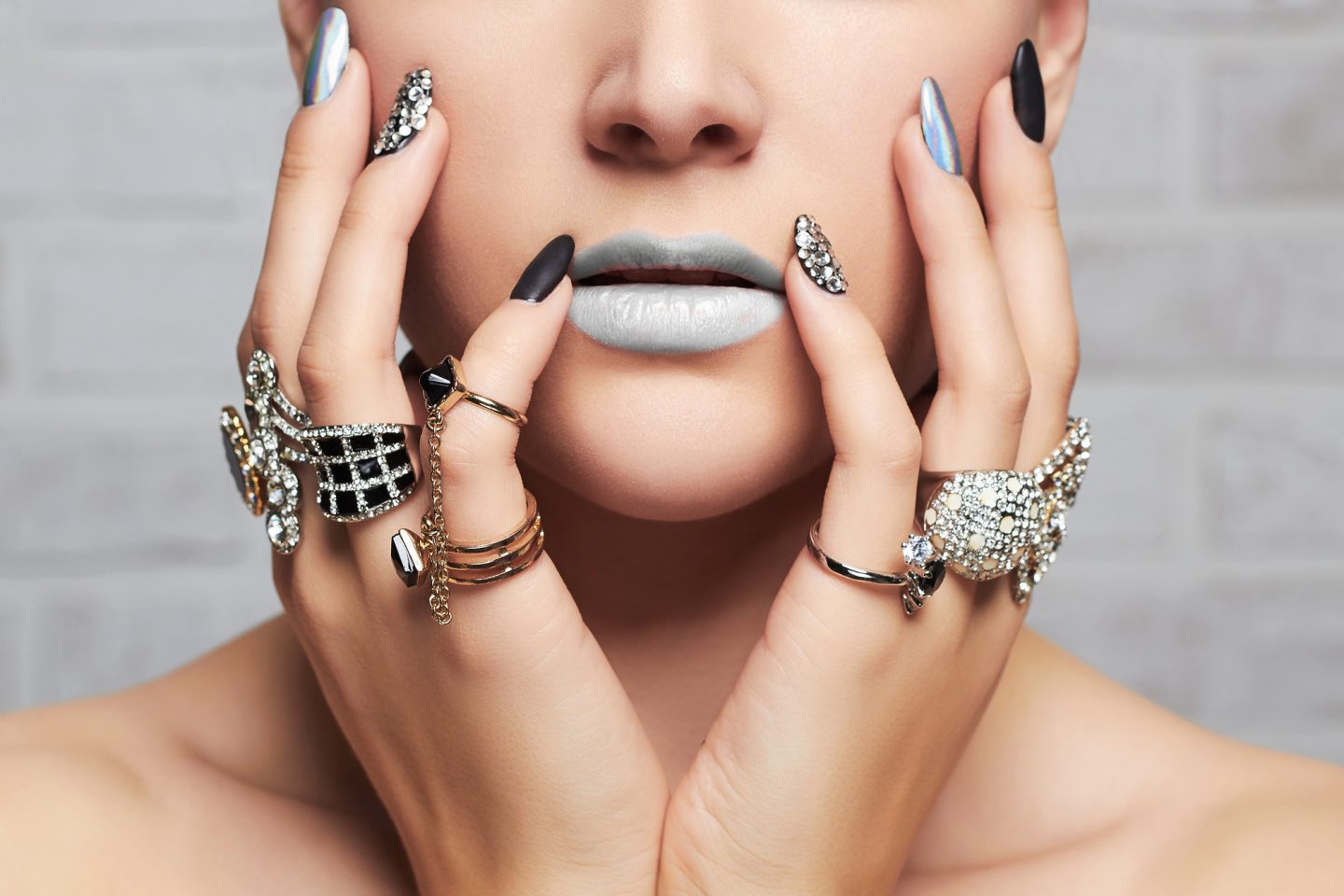
Fast fashion has changed the way people consume style. Trends move quickly, pieces are worn briefly, and replacement is often easier than repair. In that environment, most items are designed to be temporary.
Jewelry, however, has quietly resisted that shift.
While clothing cycles through seasons at an accelerating pace, certain jewelry pieces remain constant. They are worn daily, carried across years, and often outlast the trends they were originally paired with. This difference isn’t accidental—it reflects a deeper divide between items made for the moment and those made to endure.
Fine jewelry sits firmly in the latter category.
A Different Relationship With Time
One of the defining qualities of fine jewelry is how it exists outside of trend cycles. It doesn’t rely on what’s current to remain relevant. Instead, it draws its value from simplicity, proportion, and material.
A well-made piece doesn’t need to be updated every season because it was never tied to a specific moment in the first place. It becomes part of a personal style rather than a reaction to changing fashion.
This is why certain pieces feel just as appropriate years later as they did on the day they were purchased.
Material as a Foundation of Value
At the core of this longevity is material quality. Fine jewelry is built from substances that are meant to last—solid gold, genuine gemstones, metals that don’t degrade with regular wear.
This creates a very different experience from plated or synthetic alternatives. Instead of fading or deteriorating, these materials maintain their structure and appearance over time. In some cases, they even develop a subtle character that adds to their appeal.
Pieces like timeless real gold necklaces illustrate this particularly well. They don’t rely on embellishment or novelty. Their value is inherent, both in how they look and in what they are made from. That combination gives them a kind of permanence that fast-fashion accessories simply can’t replicate.
From Consumption to Curation
There’s also a shift happening in how people approach buying. The emphasis is moving away from accumulation and toward selection. Instead of owning many interchangeable items, people are building smaller collections that feel intentional.
Jewelry fits naturally into this mindset. A single well-chosen piece can be worn repeatedly without losing its relevance. Over time, it becomes familiar, almost part of the wearer’s identity.
This kind of relationship changes the way value is perceived. It’s no longer about how often something is replaced, but how consistently it’s used.
Versatility Without Compromise
Another reason fine jewelry continues to hold its place is its adaptability. It doesn’t need to be reserved for special occasions. The best pieces work just as well in everyday settings as they do in more formal ones.
A simple necklace, for example, can sit quietly within a casual outfit or elevate something more structured without feeling out of place. That flexibility gives it a practical advantage. It becomes something you reach for instinctively, rather than something you save.
Over time, that consistency reinforces its worth in a way that trend-driven items rarely achieve.
Emotional Weight and Continuity
Beyond material and design, there is another layer of value that’s harder to quantify. Jewelry often carries meaning. It marks events, represents relationships, or simply becomes associated with a particular period in someone’s life.
Because of that, it tends to stay.
Unlike fast fashion, which is often discarded without much thought, fine jewelry is kept, repaired, and sometimes passed on. It exists within a longer timeline, one that extends beyond individual trends or seasons.
That continuity gives it a different kind of significance—one that isn’t easily replaced.
A Quiet Form of Sustainability
As conversations around sustainability continue to grow, fine jewelry is being reconsidered through that lens as well. Its durability reduces the need for constant replacement, and its longevity encourages a more measured approach to consumption.
Instead of cycling through products, people are investing in pieces that remain useful and relevant over time. This shift may be subtle, but it reflects a broader change in priorities.
Final Thoughts
In a market that often rewards speed and novelty, fine jewelry offers something slower and more deliberate. It isn’t designed to keep up with trends—it’s designed to outlast them.
That’s why it continues to hold its value.
Not just in terms of material, but in the way it integrates into daily life, adapts over time, and carries meaning beyond its initial purchase. Pieces like timeless real gold necklaces don’t need to compete with fast fashion because they operate on an entirely different level.
They aren’t part of the cycle. They sit outside of it.