

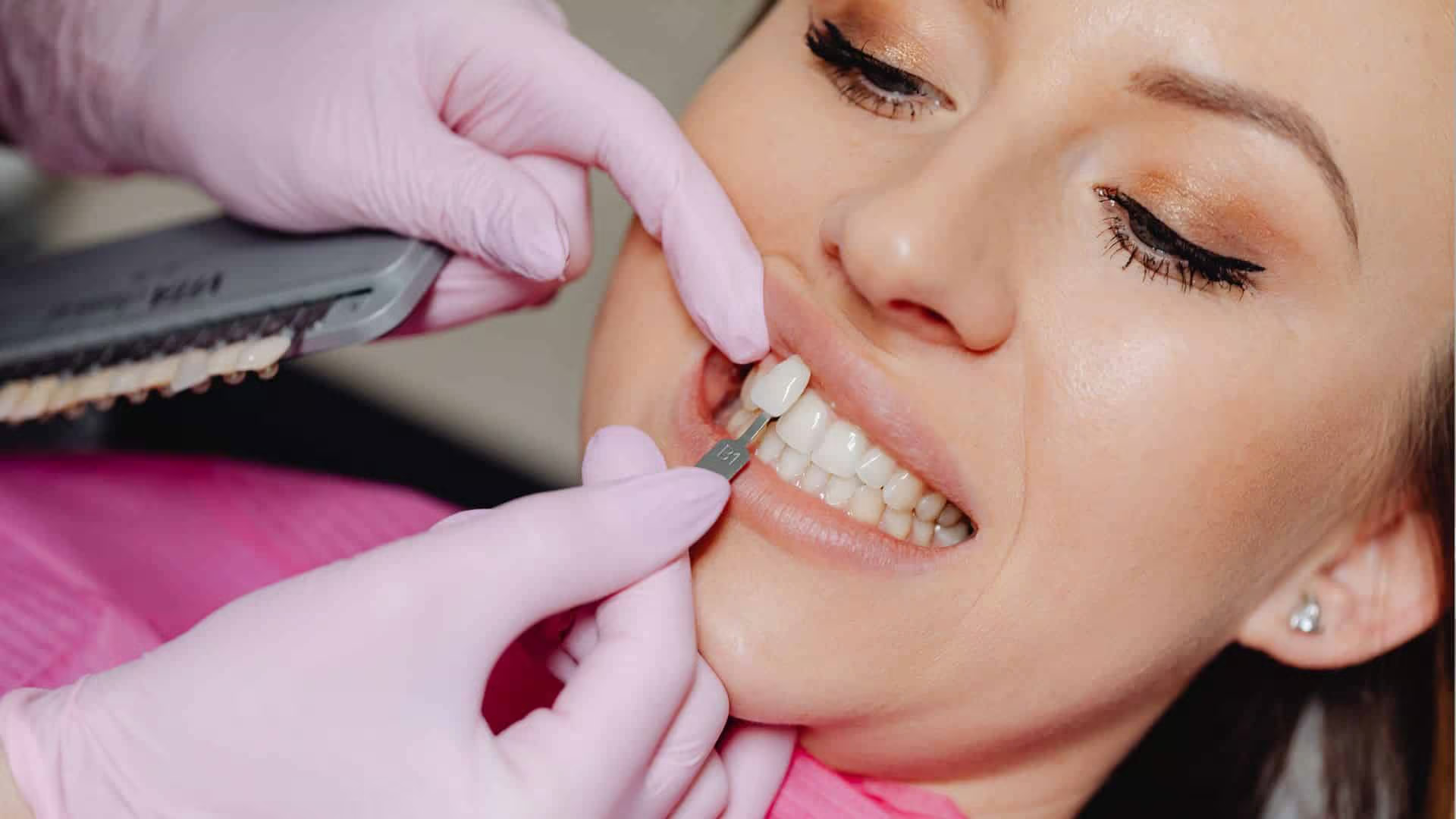
You might be feeling a mix of pride and worry every time you look in the mirror. You finally invested in whitening or veneers with a dentist in Antioch, your smile looks brighter, and people notice. At the same time, a quiet question nags at you. How long will this really last? Will that brightness fade faster than it should, or will a small chip or stain undo the time and money you put into your teeth?end
If you are feeling that tension, you are not alone. Cosmetic treatments like whitening and veneers can feel fragile. You know they are not cheap, and you may already be juggling work, family, and other health needs. Adding “one more thing” to care for can feel heavy. Because of this, it is very easy to slip into a pattern of just hoping everything holds up on its own.
Here is the simple summary. Cosmetic dentistry can give you a beautiful smile, but preventive dentistry is what keeps it that way. Regular checkups, cleanings, smart home care, and small lifestyle choices can extend the life of whitening and veneers by years. They also protect the teeth underneath, so you are not paying for new cosmetic work because of preventable problems like decay or gum disease.
So where does that leave you? It means that if you understand how whitening and veneers wear down, and you make a few steady changes, you can protect your smile instead of constantly repairing it.
Why do whitening and veneers wear out faster without prevention?
Think about whitening first. When your teeth are freshly whitened, you feel careful for a few days. Then life happens. Coffee creeps back in. Red wine on weekends. Dark sauces. Maybe you forget the custom trays your dentist gave you. A year later, your teeth are not nearly as bright, and you are wondering if you have to start all over again.
Now imagine veneers. At the beginning they look flawless. Over time, you might notice a tiny stain near the gumline, or a small rough edge from grinding at night. Maybe the gums around one veneer look a bit red and puffy. You know something is off, but you are not sure whether it is serious or just cosmetic.
Here is the problem. Whitening and veneers sit in a living environment. Your mouth changes every day. Plaque, bacteria, acids from food and drink, and habits like clenching or nail biting are always working against your smile. If you do not have a preventive plan, small issues build quietly until they affect the look and strength of your cosmetic work.
On an emotional level, that can feel frustrating and unfair. You did what you were “supposed” to do by getting your teeth fixed, and now it feels like the work is slipping away. Financially, it can also sting. Re-doing whitening every few months or replacing a veneer years earlier than expected is not where most people want their money to go.
So what is the solution? This is where preventive dentistry for cosmetic work comes in. Instead of waiting for stains, chips, or decay to force a repair, the goal is to quietly protect your whitening and veneers every day. That way, you get the longest life possible out of what you already paid for.
What is actually happening to your teeth beneath the surface?
It helps to know what is going on inside your mouth, especially if you have veneers covering some or all of your front teeth. Under every veneer is a natural tooth. That tooth can still get cavities, and the gums around it can still get inflamed or infected.
Tooth decay is not a sudden event. It is a process. Acids from bacteria and food slowly dissolve minerals from your enamel. Over time, a weak spot turns into a cavity. If you want a clear, science-based explanation of this, the National Institute of Dental and Craniofacial Research explains the process of tooth decay and how it develops over time.
With veneers, decay often starts around the edges where the veneer meets your natural tooth. You might not see it at first. You may only notice a slight darkening or an edge that feels “off” with your tongue. By the time it becomes obvious, the tooth underneath may already need more work, and the veneer might need to be replaced early.
For whitening, the issue is more about constant exposure to stain and acid. Coffee, tea, soda, wine, and tobacco slowly re-stain the enamel. Acidic foods and drinks can also weaken enamel, which makes stains soak in more easily. Without preventive habits, the bright result you loved can fade within months rather than years.
Because of this, you might be wondering how to realistically protect your investment when you are busy and tired and do not want a second full-time job caring for your teeth.
How does preventive dentistry protect whitening and veneers in real life?
Preventive dentistry is not just about cleanings. It is the entire routine that supports your cosmetic work. That includes professional visits, home care, and smart daily choices. The Centers for Disease Control and Prevention outline several key parts of preventing oral disease, and those same habits are what help keep cosmetic treatments looking good longer.
Here is how this plays out in everyday life.
Imagine two people with similar veneers.
One brushes twice a day with a soft brush, flosses at night, uses a non abrasive fluoride toothpaste, sees a dentist every six months, wears a night guard for grinding, and limits dark drinks or at least rinses with water after. The other brushes once a day, rarely flosses, skips cleanings for a couple of years, sips coffee all morning, and grinds at night without protection.
On the outside, both start with the same beautiful veneers. Five years later, the first person’s veneers are still smooth and bright. The gums are healthy and pink, and the margins of the veneers are clean. The second person has chipped edges, stains at the gumline, and one veneer that has loosened because decay formed underneath.
Both people paid for cosmetic work. Only one supported it with consistent prevention. That is the quiet difference preventive care for long lasting veneers makes over time.
Comparing common choices that affect how long your cosmetic work lasts
To make this more concrete, here is a simple comparison of everyday choices and how they affect the life of whitening and veneers.
| Choice or Habit | Short term impact on appearance | Long term impact on whitening and veneers |
|---|---|---|
| Regular professional cleanings every 6 months | Removes surface stains and plaque | Extends lifespan by reducing decay and gum issues around veneers |
| Skipping cleanings for 1 to 2 years | Gradual dullness and more visible plaque | Higher risk of cavities at veneer edges and earlier replacement |
| Using a night guard if you grind or clench | Teeth and veneers feel less sore or sensitive | Protects veneers from chipping and cracking, saves on repairs |
| Frequent dark drinks without rinsing | Faster staining after whitening | More frequent touch up treatments needed |
| Daily flossing around veneers | Gums look less puffy and red | Reduces gum recession and staining at veneer borders |
| Using abrasive whitening toothpaste every day | May seem whiter at first | Can roughen enamel and veneer surfaces, making them stain faster |
When you see it laid out this way, preventive dentistry is not about perfection. It is about choosing the habits that quietly support your cosmetic dental treatments instead of wearing them down.
Three practical steps you can start this week
You do not need a complete overhaul to protect your whitening and veneers. A few targeted changes can make a meaningful difference.
- Build a gentle, consistent home routine
Use a soft bristle toothbrush and a non abrasive fluoride toothpaste. Brush morning and night for two minutes, paying extra attention to the gumline where veneers meet your natural teeth. Floss once a day, even if you start with just a few teeth and build up. If regular floss is hard to manage, try floss picks or a water flosser. The goal is to keep plaque from sitting at the edges of veneers or on whitened enamel where it can cause both stains and decay.
- Protect your smile from stains and stress
You do not have to give up coffee, tea, or wine forever. Try to drink them in a shorter window instead of sipping all day, and rinse with water afterward. Consider using a straw for iced drinks. If you know you clench or grind, or if you wake up with sore jaw muscles or headaches, talk to a dentist about a night guard. That simple device can protect veneers from cracks and chips that are expensive to fix.
- Commit to a preventive schedule with a trusted dentist
Regular checkups and cleanings are not just routine. They are your early warning system. A dentist or hygienist can spot tiny changes in color, shape, or gum health around your whitening and veneers before they turn into bigger repairs. Ask about how often you should come in based on your specific situation. For some people, every six months is enough. For others with higher risk, every three to four months can save money and stress over time.
Bringing it all together so your smile lasts
You invested in whitening or veneers for a reason. Maybe you wanted to feel more confident at work, smile more freely in photos, or finally fix something that bothered you for years. That choice took courage and resources. You deserve for that smile to last as long as possible.
Preventive dentistry is how you protect that choice. It is not about being perfect. It is about small, steady habits that guard both the look of your cosmetic work and the health of the teeth underneath. With a thoughtful routine, some awareness of staining and grinding, and a regular partnership with a dentist who understands cosmetic care, your whitening and veneers can serve you well for many years instead of just a few.
If you are feeling unsure where to start, begin with one step. Schedule your next cleaning, or commit to flossing tonight. Every small action is a quiet vote for the long term health and beauty of your smile.
