



Retirement is often viewed as a time to downsize from a large family home into a smaller, more manageable property. While reducing maintenance responsibilities and simplifying household tasks can be appealing, retirement living involves much more than choosing a smaller residence. For many Australians, this stage of life presents an opportunity to reconsider their priorities, explore personal interests and create a lifestyle that offers greater comfort, convenience and independence.
Choosing retirement accommodation is therefore about finding an environment that supports individual preferences and long-term goals. Some retirees value opportunities for social interaction, while others prioritise privacy, accessibility or proximity to family and familiar surroundings. Those exploring retirement residences Vaucluse can consider how different accommodation options may align with their lifestyle expectations. Understanding retirement living as a lifestyle decision rather than simply a property transaction can help individuals make choices that support their wellbeing and enjoyment of everyday life.
Retirement Living Offers More Than a Smaller Home
Downsizing is often one of the first considerations when planning retirement accommodation. Maintaining a large family property can involve ongoing responsibilities such as gardening, cleaning, repairs and general upkeep. Moving into a retirement residence may reduce some of these demands, allowing residents to spend less time managing household responsibilities and more time enjoying activities that matter to them.
However, the benefits of retirement living extend beyond property size. The surrounding environment, available facilities, location and community atmosphere can all influence the experience. A smaller residence may still provide generous living areas, practical storage and comfortable spaces for entertaining guests. Rather than focusing entirely on square metres, prospective residents should consider how the accommodation supports their daily routines and personal interests. The goal is to create a living arrangement that feels convenient without unnecessarily limiting independence or comfort.
Maintaining Independence and Personal Freedom
Independence remains an important priority for many people entering retirement. After years of managing their own households, retirees often want to maintain control over their schedules, activities and everyday decisions. A suitable retirement residence should support this independence by providing a comfortable and practical living environment that allows residents to continue enjoying their preferred routines.
Independent retirement living can offer the freedom to travel, pursue hobbies, welcome visitors and participate in community activities according to personal preferences. While some communities provide shared facilities and organised programs, participation is generally a matter of individual choice. Prospective residents should understand any community rules or contractual conditions that may affect their lifestyle. Choosing accommodation that respects privacy and personal freedom can help ensure that retirement feels like a new opportunity rather than a restriction on established habits.
Creating More Time for Hobbies and Personal Interests
One of the appealing aspects of retirement is having more time to pursue activities that may have been difficult to accommodate during working years. Travel, reading, creative projects, volunteering, fitness and learning new skills can all become important parts of everyday life. Retirement accommodation that reduces certain household responsibilities may provide greater flexibility to explore these interests.
The design and location of a retirement residence can influence how easily residents participate in their preferred activities. For example, someone who enjoys painting or writing may appreciate an additional room that can function as a creative space. Others may value nearby walking areas, recreational facilities or convenient transport connections. Considering these interests before choosing accommodation can help retirees select a home that supports how they want to spend their time. Retirement planning becomes more meaningful when lifestyle preferences are treated as essential considerations rather than secondary benefits.
Building Social Connections While Preserving Privacy
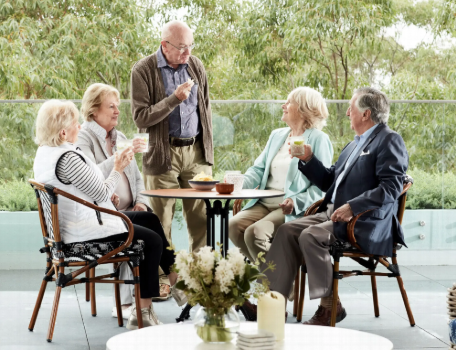
Social relationships contribute to a fulfilling retirement experience, particularly as work-related routines and social networks change. Retirement communities may provide opportunities to meet people with similar interests through shared facilities, organised activities and informal gatherings. These interactions can make it easier to develop friendships and maintain a sense of connection with others.
However, not every retiree wants the same level of social involvement. Some individuals enjoy regular group activities, while others prefer quieter environments and occasional interaction. A suitable retirement residence should allow residents to balance community participation with personal privacy. When exploring accommodation options, prospective residents can ask about social programs, communal spaces and the general atmosphere of the community. Finding an environment that matches individual preferences can help make the transition more comfortable and support meaningful relationships without creating unwanted social expectations.
Choosing a Location That Supports Everyday Convenience
Location plays an important role in retirement living because it affects access to services, recreation and personal relationships. Proximity to healthcare providers, shopping centres, public transport and community facilities can make everyday activities more convenient. For retirees who prefer to remain connected to familiar surroundings, choosing accommodation near their existing neighbourhood may also help preserve established routines and social connections.
The surrounding environment should reflect the lifestyle residents want to maintain. Some people prefer quiet residential areas, while others enjoy being close to cafés, parks, beaches and cultural attractions. Access to family members and friends may also influence the decision. Before selecting a retirement residence, prospective residents should consider how frequently they travel, which services they use and whether the location supports their preferred activities. A convenient setting can reduce unnecessary travel and make it easier to remain active and engaged in everyday life.
Planning for Comfort and Changing Needs
Although retirement living should support current lifestyle preferences, it is also important to consider how individual needs may change over time. Features such as accessible entrances, practical bathroom layouts, lift access and manageable living spaces can contribute to long-term comfort. These considerations are relevant even for retirees who currently experience no mobility difficulties.
Prospective residents should also investigate what assistance or support services may be available if their circumstances change. Independent retirement living is different from residential aged care, and services vary between communities. Some residences may facilitate access to external support providers, while others offer additional arrangements. It is important to understand these distinctions rather than assuming that personal care or medical assistance is automatically included. Reviewing accessibility, available services and contractual conditions can help retirees make informed decisions about the suitability of their accommodation over time.
Making Retirement Living a Personal Lifestyle Decision
There is no single retirement lifestyle that suits everyone. Some retirees prioritise travel and flexibility, while others prefer community involvement, family time or peaceful surroundings. Personal finances, health considerations, relationships and individual interests can all influence what makes a retirement residence suitable. Recognising these differences is essential when comparing accommodation options.
Before making a decision, prospective residents should reflect on their priorities and consider which aspects of their current lifestyle they want to preserve or change. Visiting different communities, inspecting available residences and asking detailed questions can provide valuable insight. Financial arrangements also deserve careful attention, including entry costs, ongoing fees and exit conditions. Independent legal and financial advice can help clarify obligations before signing an agreement. A thoughtful decision considers both practical requirements and the type of everyday experience the resident hopes to enjoy.
Conclusion
Retirement living is about more than moving into a smaller property or reducing household responsibilities. It provides an opportunity to create a living environment that reflects changing priorities, personal interests and long-term goals. Independence, convenience, social connections, comfort and access to enjoyable activities can all contribute to a satisfying retirement lifestyle.
Choosing the right retirement residence requires careful consideration of both accommodation features and the wider living experience. By identifying personal priorities, exploring different options and understanding the financial and practical arrangements involved, retirees can make decisions that support their preferred way of life. Ultimately, successful retirement living is not simply about having less space to maintain but about creating more opportunities to enjoy the years ahead.


