

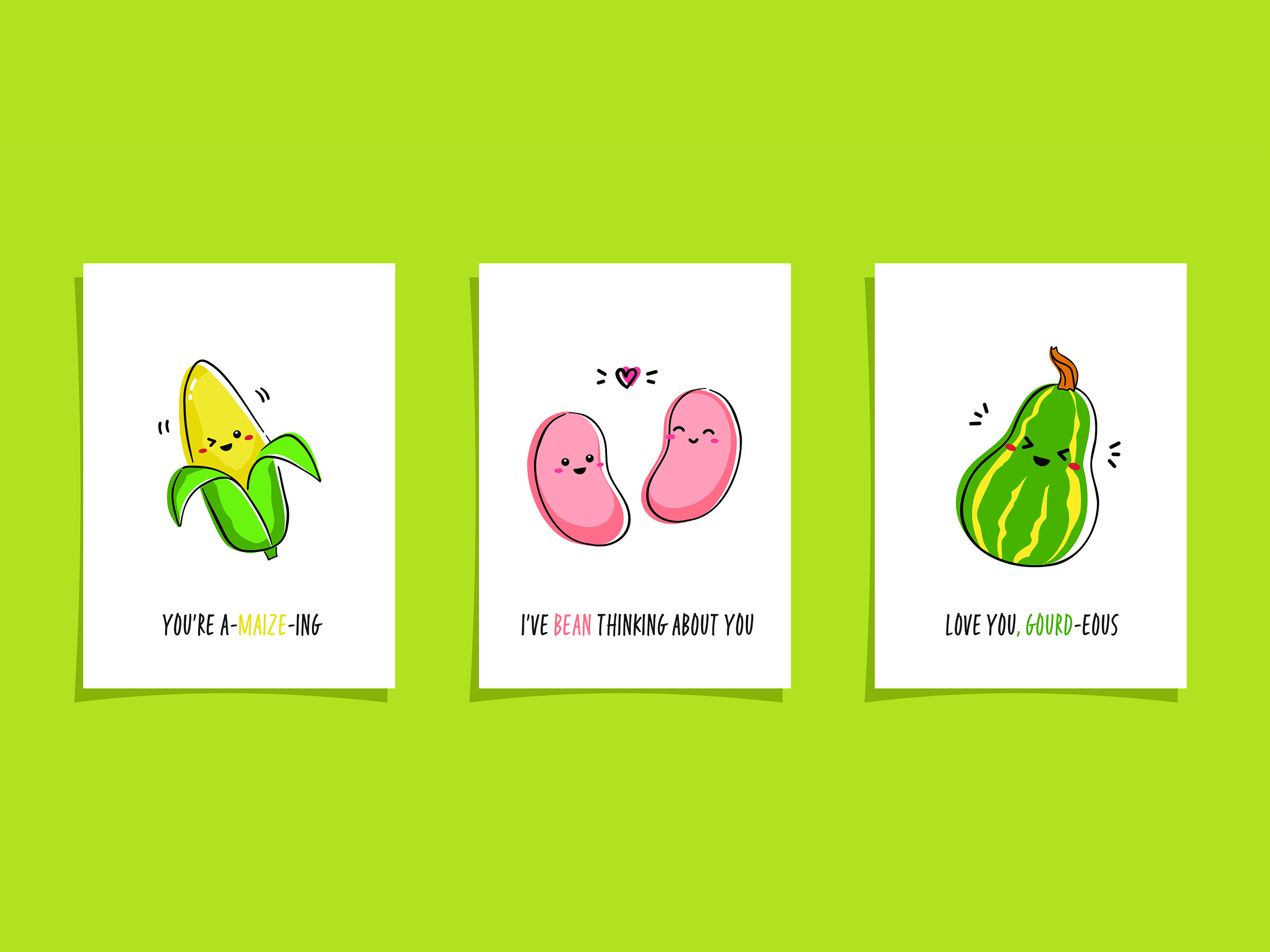
Learning is often viewed as a serious and sometimes tedious endeavor, but incorporating clever puns into educational content can transform this experience. Puns engage the brain, spark curiosity, and foster a positive learning environment. By making lessons entertaining and memorable, puns create an effective bridge between complex concepts and enjoyable learning. In this article, we explore how to make learning fun using clever puns, revealing strategies to boost retention, motivation, and classroom engagement.Join a community that loves puns on crackuppuns.
The Power of Puns in Enhancing Learning Experiences
Clever puns leverage wordplay that draws on multiple meanings or similar sounds, often creating humor and surprise. This mental twist challenges the brain, encouraging learners to think flexibly and make connections between ideas. When students encounter a pun, their cognitive engagement spikes, promoting deeper processing of the material.
From a neurological perspective, humor—including puns—activates the brain’s reward system, releasing dopamine. This neurochemical boost enhances memory formation and retention, which means that pun-infused lessons can improve long-term learning outcomes. When learners laugh or smile, their stress levels drop, and their willingness to absorb new information increases.
How to Integrate Clever Puns into Various Learning Subjects
Using Puns in Language Arts and Vocabulary Building
Language arts provide a natural playground for pun-based learning. Teachers can introduce puns that play on homophones, homonyms, or idiomatic expressions to deepen vocabulary understanding. For example, exploring puns like “Time flies like an arrow; fruit flies like a banana” opens discussion on syntax and semantics.
In writing exercises, students can be encouraged to create their own puns, fostering creativity and language mastery. This active participation helps learners internalize language rules, idioms, and figurative speech in an enjoyable way.
Science Lessons Made Memorable Through Wordplay
Scientific concepts often involve terminology that can feel dry or overwhelming. Clever puns can breathe life into topics like biology, chemistry, or physics. For instance, a biology teacher might say, “Don’t be so cell-fish, share your knowledge,” to encourage group work while referencing cell structure.
Chemistry puns such as “I make bad chemistry jokes because all the good ones argon” playfully introduce chemical elements, making memorization easier. Puns like these lighten the atmosphere and help students associate difficult terms with fun phrases.
History and Social Studies Enlivened by Punny Narratives
History can sometimes feel distant or irrelevant to students. Incorporating puns into historical narratives or timelines creates a relatable and captivating learning experience. For example, discussing the American Revolution, a teacher might remark, “That event really sparked a ‘re-volt’ among the colonies.”
In social studies, puns about cultures or political systems must be used carefully but can still add levity without offending. Clever humor encourages students to engage with content that might otherwise feel heavy.
Techniques for Crafting Effective Learning Puns
Align Puns with Learning Objectives
Effective use of puns requires alignment with the lesson’s core goals. Puns should reinforce key concepts or vocabulary rather than distract. Crafting puns that subtly include terms students must learn ensures that humor and education go hand in hand.
Use Visual Aids to Support Pun Impact
Pairing puns with images, diagrams, or videos enhances comprehension. Visual aids help clarify the double meanings or wordplay, making puns accessible to learners of all levels. For example, a cartoon illustrating a pun can quickly spark understanding and laughter.
Encourage Student Participation in Pun Creation
Active involvement deepens learning. Inviting students to create and share their own puns related to the topic promotes ownership and collaboration. This participatory approach builds communication skills and confidence while making lessons more dynamic.
Moderate Pun Frequency to Maintain Engagement
While puns are powerful, overuse can dilute their effect. Integrating puns strategically ensures that each joke lands with maximum impact, sustaining student interest without overwhelming the curriculum.
Benefits of Using Puns to Boost Learner Engagement
Increased Attention and Focus
Puns introduce an element of surprise that interrupts monotony and refreshes attention spans. When learners anticipate humor, they become more alert and eager to participate.
Improved Memory Retention
The cognitive challenge posed by deciphering puns promotes active learning, which strengthens memory encoding. Students remember concepts linked with humor longer and recall them with greater ease.
Enhanced Social Interaction and Collaboration
Humor fosters positive group dynamics. When students laugh together at a pun, it creates a sense of community and openness, encouraging teamwork and discussion.
Motivation to Explore Complex Topics
Puns can simplify intimidating subjects by framing them playfully. This approach reduces anxiety and increases willingness to tackle challenging content.
Practical Examples of Clever Puns for Learning Environments
- Math: “I’m positive we can solve this problem – it’s just a matter of ‘adding’ our efforts.”
- Geography: “Let’s ‘map’ out our plan for this project.”
- Physics: “This concept is ‘charged’ with energy!”
- Literature: “Don’t ‘plot’ against the story’s main character!”
- Environmental Science: “Let’s ‘plant’ the seeds of knowledge.”
These puns serve dual purposes: injecting humor and reinforcing lesson content seamlessly.
Tools and Resources for Incorporating Puns in Education
Several online platforms and books specialize in pun collections tailored to educational topics. Teachers can find repositories of subject-specific puns or use pun generators to inspire fresh ideas. Additionally, apps that encourage creative writing and wordplay can supplement pun-based learning exercises.
Challenges and Considerations When Using Puns
Cultural Sensitivity and Inclusivity
Not all puns translate well across cultures or languages. It is essential to choose puns that are universally respectful and understandable to the learner demographic to avoid confusion or offense.
Age-Appropriate Humor
Puns should be tailored to the cognitive and emotional development of learners. Complex or abstract puns may frustrate younger students, while overly simplistic jokes might bore older learners.
Avoiding Distraction from Core Content
Puns are meant to enhance, not replace, learning. Ensuring that humor supports learning goals rather than detracts from them requires thoughtful integration.
Measuring the Impact of Puns on Learning Outcomes
Assessment tools such as quizzes, participation tracking, and feedback surveys can help educators evaluate the effectiveness of puns in their teaching. Increases in student engagement, improved test scores, and positive classroom atmosphere are indicators of success.
Conclusion: Making Learning an Enjoyable Journey with Clever Puns
Integrating clever puns into educational content transforms traditional learning into a vibrant, interactive experience. The combination of humor, cognitive engagement, and emotional connection fosters deeper understanding, better retention, and more enthusiastic participation. By strategically applying puns aligned with lesson objectives and learner needs, educators can unlock new dimensions of effective teaching and lifelong learning.
