

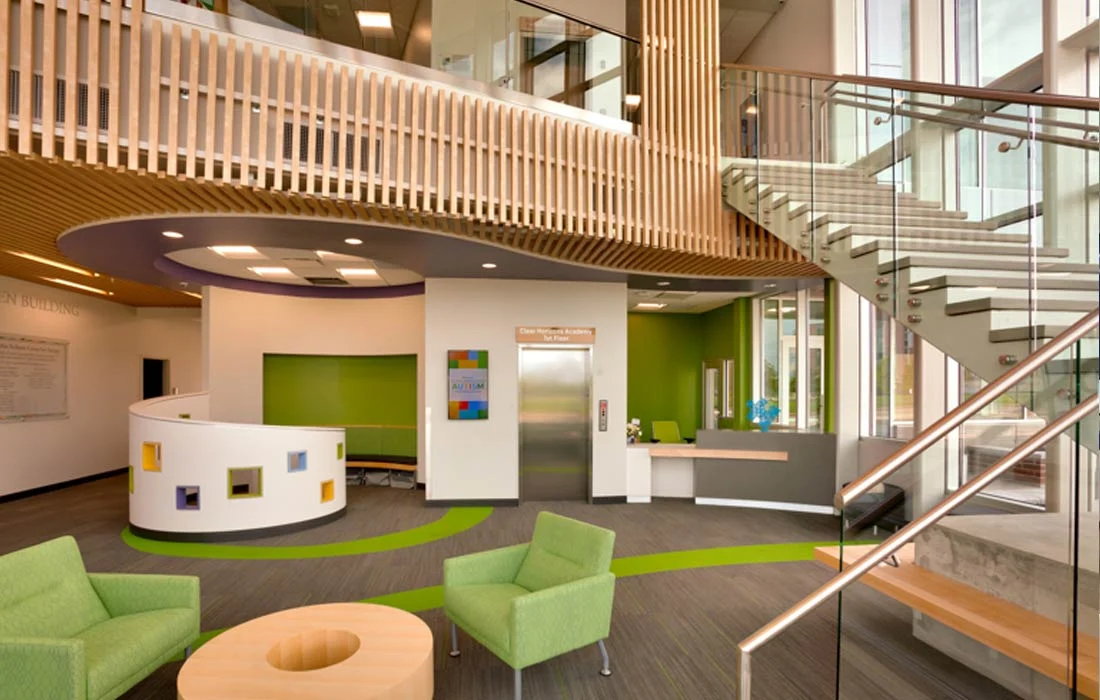
Healthcare design has experienced significant evolution over the years, shifting from stark, clinical environments to spaces that promote healing, comfort, and efficiency. The transformation of these interiors is more than merely aesthetic; it’s a holistic approach that considers the wellbeing of patients and the productivity of healthcare professionals. The latest trends in healthcare fitout developments showcase forward-thinking solutions, marrying functionality with a patient-centred ethos.
Incorporating Nature into Design
The incorporation of natural elements into medical interiors has been gaining traction. This practice, often referred to as biophilic design, includes the use of natural lighting, greenery, and organic materials. The intent is to create a more welcoming and calming atmosphere for patients, which can lead to reduced stress levels and improved outcomes.
Functionality Meets Aesthetics
Functionality remains paramount in medical interior fitouts. The design must accommodate the complex needs of healthcare provision while also being durable and easy to maintain. Contemporary fitouts strike a balance between practicality and aesthetics, offering visually pleasing spaces that enhance usability and hygiene.
Technological Integration
With the advent of cutting-edge medical technology, the design of healthcare spaces has to adapt accordingly. Integration of technology into medical fitouts is crucial for creating efficient workflow layouts. This not only includes the seamless incorporation of medical equipment but also extends to innovative patient check-in processes and electronic health record systems.
Patient Privacy and Comfort
Enhancing patient privacy and comfort is another significant trend in medical fitouts. This includes the creation of private consultation areas, soundproofing techniques, and the use of softer lighting. This patient-focused approach aims to improve the overall healthcare experience by ensuring confidentiality and creating a sense of security.
Flexibility and Adaptability
Medical facilities are now designed with flexibility in mind, allowing for future adaptations based on the evolving needs of healthcare services. Modular designs and mobile components enable quick reconfigurations of spaces, ensuring that the interiors can keep pace with technological advancements and changes in medical procedures.
Emphasis on Accessibility
Accessibility is a critical component of modern medical interiors. This aspect of design ensures that healthcare facilities are inclusive, catering to individuals of all abilities. Features such as wide corridors, ramp access, and adaptive examination rooms are integral to current healthcare fitout trends, reflecting a commitment to equitable healthcare provision for all.
Colour Psychology in Healthcare Spaces
The skilled use of colour within healthcare environments can have a profound impact on mood and perception. Emerging fitout designs use colour psychology to evoke serene and healing atmospheres. The choice of hues is carefully considered to stimulate well-being and create a positive environment for patients and staff alike.
Creating Community Spaces
Today’s medical fitouts increasingly acknowledge the role of social support in the healing process. Thus, the inclusion of community spaces where patients and families can interact has become a prevalent design feature. These communal areas foster a supportive atmosphere and play a vital role in the mental and social aspects of patient care.
Sustainable Practices
A commitment to sustainability is a growing trend within the healthcare industry. Environmentally friendly materials, energy-efficient systems, and waste-reduction practices are becoming staples in the construction of modern healthcare spaces. Such sustainable initiatives signify a responsibility toward both the environment and the long-term wellbeing of patients.
Adapting to New Care Models
The adoption of new models of care, such as telemedicine and outpatient services, influences medical interior design. Healthcare fitouts are changing to accommodate telehealth facilities and spaces that enable a variety of outpatient treatments, providing convenience and cost efficiency for both providers and patients.
Enhanced Wayfinding
Navigating healthcare facilities can be overwhelming for many. Innovative medical fitouts address this challenge by incorporating enhanced wayfinding systems. These include intuitive signage, strategic layout planning, and distinct visual cues that assist patients and visitors in finding their way with ease.
Hygiene-Centric Materials
Hygiene remains a top consideration in medical fitouts. Non-porous surfaces, antimicrobial materials, and touch-free fixtures are being prioritised to prevent infection and maintain sterile environments. These considerations are particularly pertinent in a post-pandemic landscape where hygiene is under close scrutiny.
The Role of Art in Healing
Art is increasingly recognised for its therapeutic potential in healthcare settings. Medical interior designs that integrate art can alleviate stress, provide distraction, and contribute to a nurturing ambiance. Whether through sculptures, paintings, or interactive installations, art is a powerful component of contemporary healthcare fitouts.
Creative and thoughtful medical interior fitouts can profoundly impact patient experiences and healthcare outcomes. By embracing these trends, designers and healthcare providers can develop spaces that not only look appealing but also cater to the complex demands of modern healthcare. Such environments are not just about treatment; they are about promoting a holistic healing journey for each individual.
The synergy between design and health is evident in the emerging trends of medical interiors. Facilities that understand and incorporate these elements through healthcare fitout practices are better equipped to face future challenges and deliver exceptional care. As design paradigms shift, the primacy of patient-centred, adaptable, and sustainable environments becomes clear—a testament to the role that space plays in the art and science of healing.
