

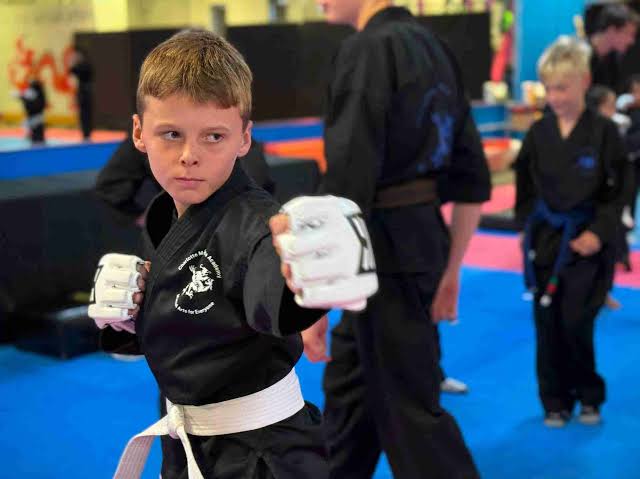
In analyzing introductory martial arts training, it is important to look beyond basic marketing labels and consider the actual structural advantages for kids learning martial arts. Beginner-friendly martial arts training involves an emphasis on structure, developing skills, gaining confidence, and creating an instructional environment conducive to foundational training. Parents interested in giving their children worthwhile physical activities want a training environment where their kids can develop discipline without being confused by complicated techniques and aggressive competition. Choosing appropriate foundational programs ensures youth experience positive personal development from their very first training session onward.
Understanding Foundational Structure In Youth Physical Training
Introductory athletic programs establish clear expectations through step-by-step instruction designed specifically for young learners. The creation of special curricula guarantees that new members will know how to perform basic moves before they move on to complicated physical sequences. The importance of safety, good listening, and encouraging each member is considered by instructors to ensure everyone feels appreciated during the training sessions. Being part of the family martial arts classes with Florida Karate Academy gives children a chance to learn important skills confidently. Encouraging environments enable young people to take up challenging tasks and become more resilient and emotionally disciplined with better motor control.
Essential Pillars Of Effective Beginner Training Programs
- Structured lesson plans guide new students through basic movements with step-by-step precision.
- Certified instructors focus on positive reinforcement to build confidence in every young participant.
- Age-appropriate exercises ensure children develop balance without experiencing physical or mental strain.
- Clear safety guidelines protect youth during interactive group drills and foundational training sessions.
- Cooperative learning environments encourage peer support rather than overwhelming athletic competition among peers.
- Frequent progress assessments help children recognize personal achievements and maintain steady motivation levels.
- Specialized equipment ensures safe practice while young practitioners refine essential physical technique daily.
Long-Term Growth Benefits For Young Martial Learners
Regular involvement in basic training brings about visible gains in attention, self-discipline, and focus on studies. Young individuals get to establish realistic goals and strive to develop new physical skills systematically. In addition to physical coordination, participation in structured group activities builds respect for other people, including fellow trainees, the instructor, and personal space. Emotional stability is instilled through constructive utilization of energy in structured learning environments. As physical skills improve, self-confidence develops naturally when young individuals face new situations in life. Such basics help individuals throughout their lives in health and personal success.
Key Indicators of Child-Focused Instructional Quality
- Small student-teacher ratios guarantee personalized attention for every beginner during group lessons.
- Clear communication styles allow young children to follow complex movement patterns very easily.
- Dedicated introductory spaces prevent new participants from feeling intimidated by advanced adult groups.
- Inclusive training philosophies welcome children of varying physical fitness and coordination skill levels.
- Structured reward systems celebrate minor milestones to keep young learners engaged and excited.
- Transparent parent updates allow families to track individual physical and social progress regularly.
- Balanced lesson structures combine energetic movement with quiet moments of focused mental concentration.
Industry Data On Youth Martial Training Impact
| Measurement Category | Standard Youth Benchmark | Structured Beginner Average | High Growth Program Target |
| First Year Retention Rate | 44.2% | 68.5% | 82.1% |
| Parent Reported Focus Improvement | 51.0% | 76.4% | 89.3% |
| Weekly Active Engagement Hours | 1.8 Hours | 3.2 Hours | 4.5 Hours |
| Peer Respect Assessment Score | 62.0% | 81.5% | 94.0% |
Inspiring Future Confidence
Selecting ideal youth development paths enables young authors of personal growth to thrive smoothly. A center-stage focus on genuine foundational instruction, attentive teaching methods, and safe training frameworks creates meaningful growth opportunities for children. By enrolling in family martial arts classes with Florida Karate Academy, families offer young learners ideal environments to cultivate life skills without undue pressure. Thoughtful athletic guidance centered on core personal character consistently yields outstanding development results across childhood years. Quality youth instruction provides rich potential for children who embrace structured skill building, self-discipline, and physical wellness.
Frequently Asked Questions
At what age can children start structured introductory training?
Most of the structured programs will accept children as young as 4 years, with movements created for early childhood motor development and attention spans.
How does foundational training differ from competitive sports?
Introductory training emphasizes individual progress, personal discipline, and self-improvement rather than direct competition or winning against other participants.
What safety measures are taken during beginner lessons?
Instructors utilize padded equipment, enforce strict supervisory guidelines, and teach controlled non-contact movements to ensure complete student safety.
How often should young beginners attend classes weekly?
Attending two structured lessons each week provides optimal balance, allowing children to retain new skills while maintaining enthusiasm for their training.
