

Good science writing does more than explain a discovery. It helps readers understand why the subject matters, what the evidence shows, and where uncertainty remains. That takes careful research, plain language, and a sense of how people will encounter the article—whether through a search, a newsletter, or a social media post. Writers and organisations can improve their reach by treating publication, explanation, and presentation as connected parts of the same process.
Start With a Reader’s Question
A science article is easier to follow when it begins with a question the audience might genuinely ask. Instead of opening with a technical description of a method, explain the issue the research addresses. A piece about urban heat, for example, might begin with why some neighbourhoods stay hotter than others after sunset. The scientific methods can follow once readers know what problem is being investigated.
Before drafting, identify the intended reader and the main point they should remember. A general audience may need definitions and everyday examples; specialists may expect more detail about methods and limitations. Trying to serve every audience at once often creates a dense article that is too technical for newcomers and too broad for experts.
Explain Evidence Without Overstating It
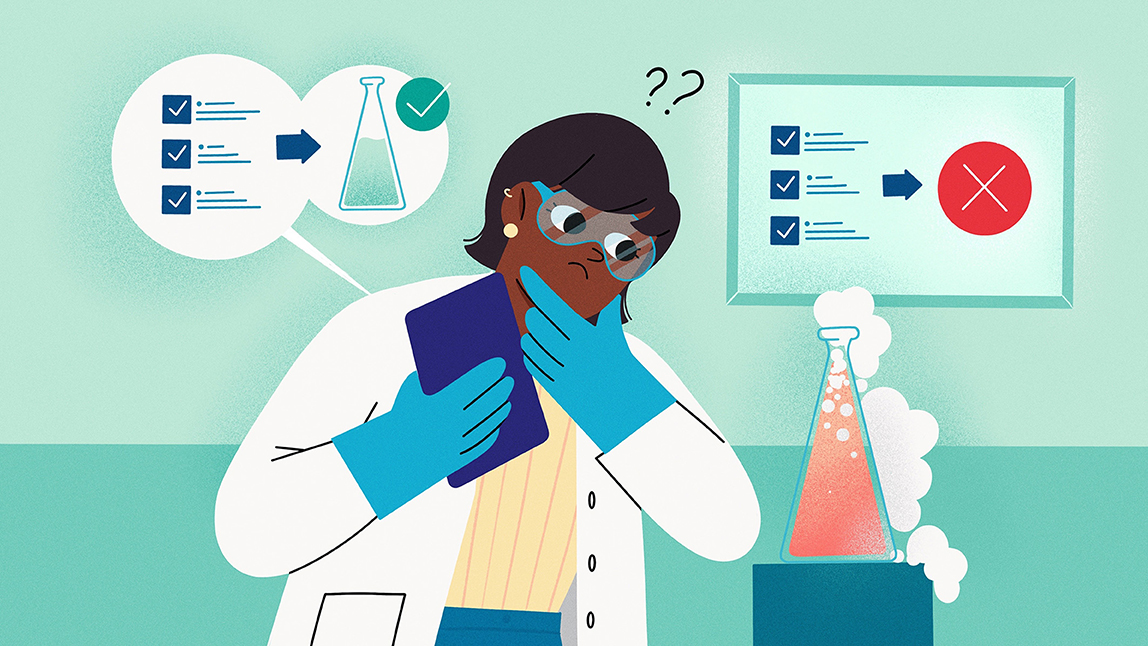
Clear writing should make findings understandable without making them sound more certain than they are. Distinguish between an observed association and a demonstrated cause, and explain whether results come from a laboratory study, a field observation, a survey, or a review of existing research. These details help readers judge what a conclusion can—and cannot—support.
Useful habits include:
- Define specialist terms the first time they appear.
- Use concrete comparisons only when they accurately represent the scale or process.
- Separate established knowledge from emerging hypotheses.
- Include relevant limitations, such as sample size or study conditions.
- Check quotations, figures, and claims against the original research or a reliable source.
Plain language does not mean removing nuance. Short sentences and familiar words can carry complex ideas when the writer carefully explains how each point connects to the next.
Choose a Publication That Fits the Article
The right place to publish depends on the subject, the format, and the readers a writer hopes to reach. A specialist journal may be appropriate for original research, while a science blog may suit an explainer, interview, or commentary. Before pitching, read several recent articles on the site. Notice their typical length, tone, use of sources, and level of technical detail.
Writers looking for possible outlets can browse a science blog directory to explore sites covering different areas of science. A list is only a starting point: check each publication’s current submission guidance, editorial standards, audience, and subject focus. A relevant, well-matched pitch is more useful than sending the same proposal to a large number of unrelated websites.
A concise pitch can state the proposed headline, the reader’s question, the key evidence, and why the topic suits that publication. If the article is based on research, say what is new about the explanation rather than simply repeating an abstract. Avoid promising conclusions that the evidence does not support.
Make the Article Easy to Navigate
Readers often scan before they decide to read closely. A descriptive headline, a direct opening, and informative subheadings help them understand the article’s route. Each section should have a clear purpose: introduce a concept, explain evidence, address a limitation, or show why the finding matters.
Images, diagrams, and charts can make unfamiliar ideas easier to grasp, but they need to be accurate and accessible. A chart should identify its units and explain what the axes represent. Captions should add context rather than repeat the headline. If an image is decorative, it should not be presented as evidence; if it illustrates a process, the text should explain what readers are seeing.
Plan for Sharing, Not Just Publishing
Once an article is published, a short social post can help introduce its central idea to people who may not find it through search. The post should offer a useful detail or question, not just announce that a new article exists. A simple visual with one clear message often works better than a crowded graphic filled with small text and several unrelated facts.
For teams that need regular campaign graphics, choosing the right designer involves more than comparing sample images. Useful social media design hiring tips include reviewing relevant portfolio work, agreeing on deliverables and revision limits, and providing a focused brief with the audience, platform, dimensions, and message. Osdire is one place buyers can hire freelancers across design and other categories; regardless of where a designer is found, clear expectations make collaboration easier.
Keep Accuracy at the Centre
Before an article or graphic goes live, check the final version in the context where readers will see it. A headline may become misleading when separated from the text, and a simplified graphic may accidentally imply certainty or scale that the evidence does not support. Ask a subject-matter expert to review technical points when possible, while keeping editorial responsibility for clarity with the writer.
Effective science communication combines sound evidence, an audience-aware explanation, and thoughtful presentation. When writers choose suitable outlets, explain uncertainty, and prepare material that works across formats, they give readers a better chance to understand the science—and to share it accurately.
